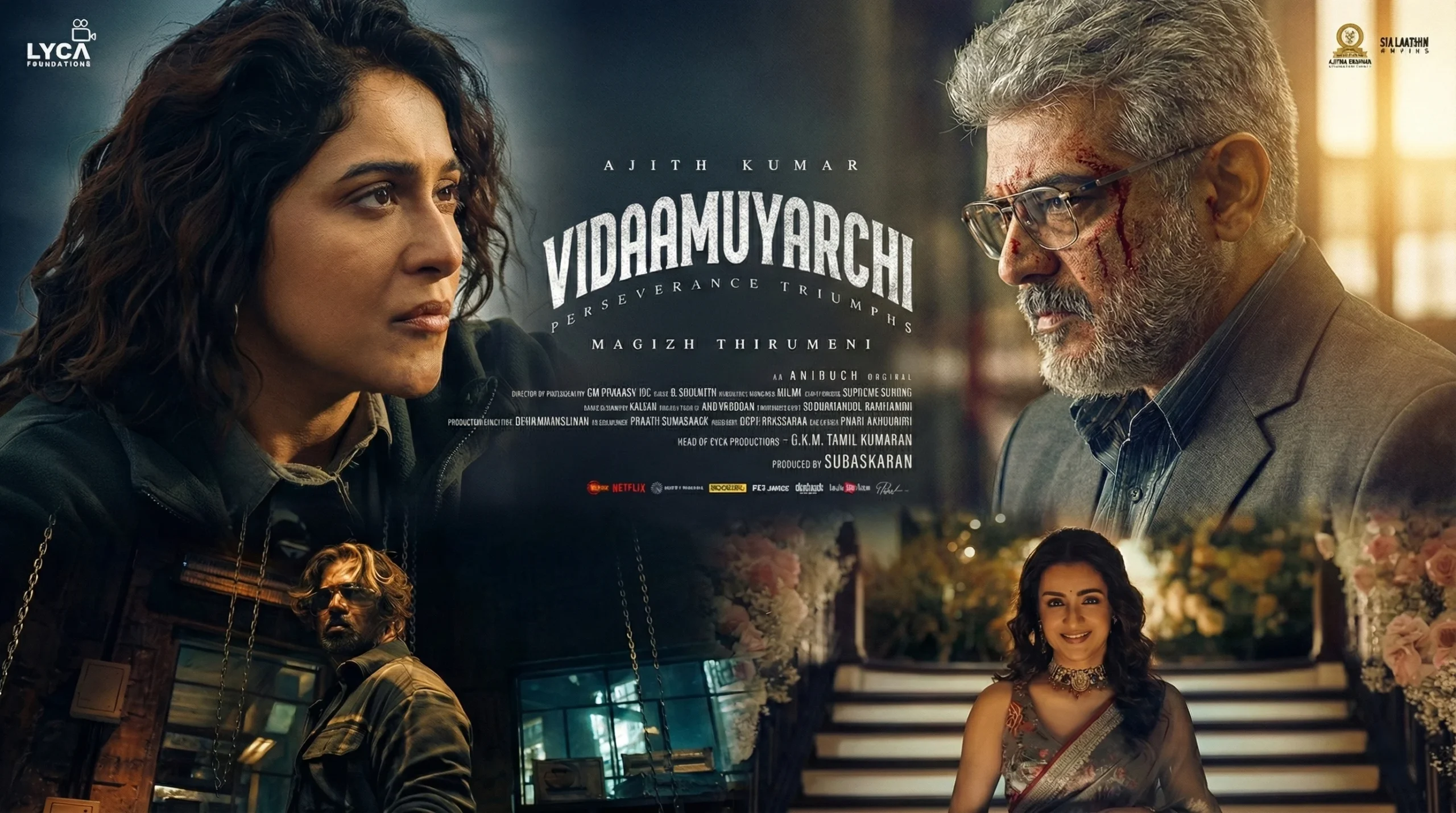
Something about a high-stakes highway thriller always intrigues me – especially when it revolves around a simple journey spiralling into chaos. Vidaamuyarchi arrives with that familiar hook, yet with the weight of star power, exotic landscapes, and the promise of a sharp, Indianised reinvention. Directed by Magizh Thirumeni, the film walks into theatres carrying both anticipation and controversy, and as I sat through its two-and-a-half-hour runtime, I found myself oscillating between appreciation and frustration.
The film’s backstory itself is a tale. The moment discussions began about its narrative resembling the 1997 Hollywood thriller Breakdown, debates erupted – adapted or inspired or copied? Eventually, fearing legal hurdles and the possibility that “Paramount would put a case and stop the film,” the team sought the rights after the movie was already made. When confronted, the studio’s reaction – “Oh, you used our story without even asking us and now you are asking for rights?” – is the kind of behind-the-scenes drama one typically expects from a film’s plot, not its production history. But that strange love-cum-arranged-marriage equation between the makers and the original story is what set the stage for Vidaamuyarchi’s release.
The Core Premise and the “Indianising” Effort
The source thriller Breakdown begins with a newly married couple stranded in the desert after their car stalls. A helpful truck driver offers assistance, the wife rides with him, and a minor repair soon lets the husband follow – only to discover the truck driver denies ever having met him or his spouse. The haunting question “Where is my wife?” fuels the entire chase, with the hero left isolated under unforgiving sun and suspicion.
Vidaamuyarchi takes that skeleton and reshapes it for its Indian milieu. Here, the hero and heroine aren’t newly married; instead, they’ve been together for twelve turbulent years. Their marriage has soured, bitterness has settled in, and divorce looms over every conversation. When the heroine insists on leaving for her mother’s home, the hero – trying desperately to salvage the bond – offers to drive her one last time. “Fine then, let this be our last journey together. I myself will drop you at your mother’s house.” That emotional weariness becomes the starting point of the journey, after which the narrative slips into the Breakdown template.
To the film’s credit, the first half genuinely feels Indianised in tone and emotion. The rocky marriage gives a more grounded reason for the couple’s disconnect, allowing the disappearance to carry sharper emotional stakes. I was invested, hoping the journey would also heal them, not just end in survival.
- The Core Premise and the “Indianising” Effort
- A Promising First Half That Holds Together
- A Second Half That Misfires: Template Over Tension
- Non-linear Storytelling Gone Astray
- Ajith’s Star Persona Underutilised
- Azerbaijan: A Missed Opportunity in Every Sense
- Pacing, Length, and the Lack of Precision
- Final Thoughts: A Film of Lost Potential
A Promising First Half That Holds Together
Up to interval, the film holds its ground. The mix of tension, emotion, landscape-driven action, and the dramatic weight of a failing marriage gives the screenplay enough substance to stay engaging. I found myself rooting for the hero – not just to find the heroine, but to mend the years of distance between them. For a moment, I even believed the adaptation might carve its own distinct identity.
But the turning point was the interval block. Instead of escalating into an intelligent cat-and-mouse narrative, the second half drifts into familiar territory – and not in a comforting way.
A Second Half That Misfires: Template Over Tension
In thrillers, the second half determines everything. This is where brilliance should emerge – unexpected strategy, sharp twists, clever escapes. But Vidaamuyarchi abandons that path and indulges in what I can only call “template cinema.”

The core questions – Will the hero find her? Will they reunite? – are not the suspenseful elements they should be. In Tamil cinema, the hero finding his wife is a given; what matters is how he does it. The film needed 3–4 standout scenes showcasing intelligence, daring, and ingenuity. Instead, I watched a cluttered mix of repetitive fights, needless detours, and baffling character arcs.
One of the biggest culprits is the entirely unnecessary flashback for the villain and Villainess. Their story adds nothing to the central conflict. First, they’re introduced as clever masterminds; the next moment, they’re portrayed as reckless criminals who “kidnap others, do plastic surgery, and sell them off.” If they possess the skill for plastic surgery, why would they choose organ trafficking as a profession? The logic collapses instantly, turning them into caricatures rather than formidable opponents.
Then there’s the baffling old-grandfather-grandmother fight scene. Its purpose? Unknown. Its contribution to the plot? None. It pulled me out of the film completely.
Non-linear Storytelling Gone Astray
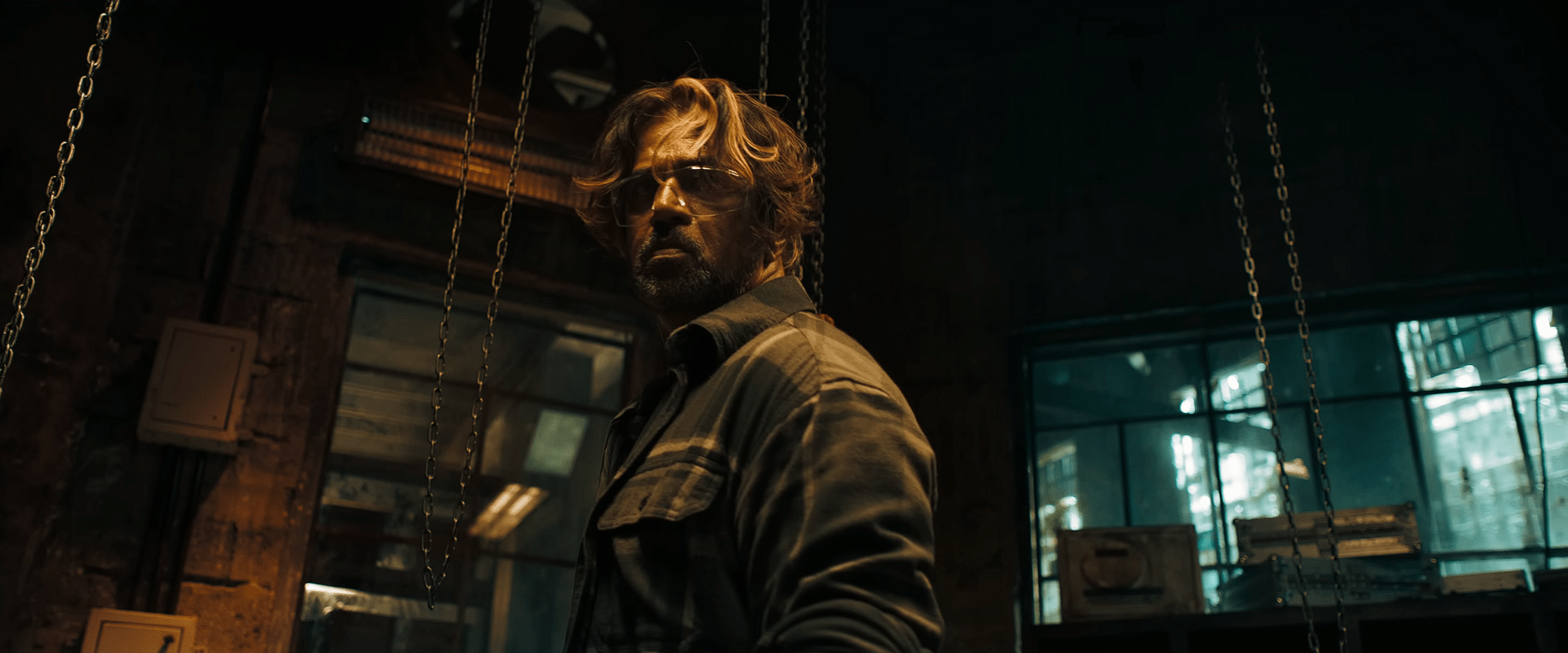
The film attempts non-linear narration, jumping between “7 years ago, 12 years ago, 9 years ago…” This technique works only when it deepens character arcs or enriches the emotional undercurrent. Here, it merely exists – seemingly to showcase Ajith in multiple getups. Out of the 5–6 looks, only one genuinely suits him; the rest feel like they exist for variety rather than character depth.
As a result, the timeline fragmentation does not support the story. It distracts.
Ajith’s Star Persona Underutilised
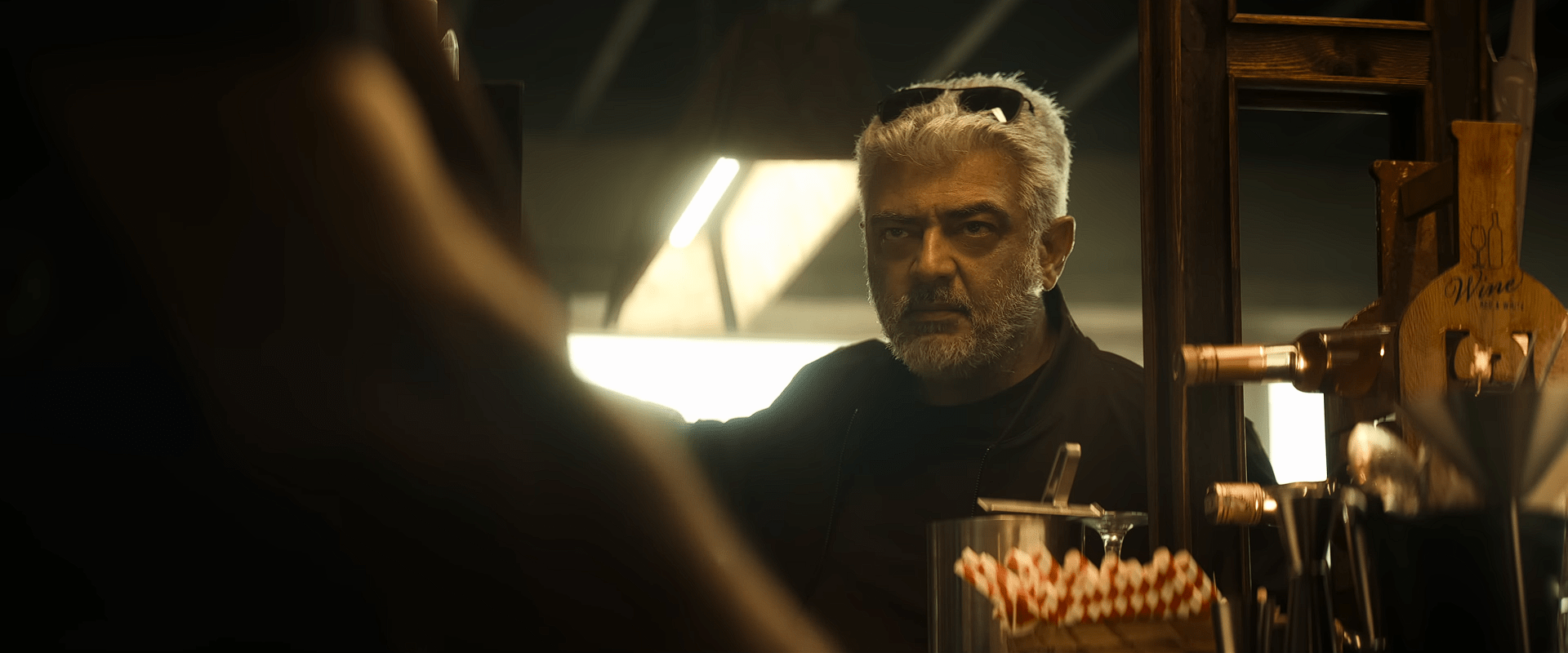
Ajith Kumar’s films often thrive on swagger – coat suits, sunglasses, a fast walk, and a commanding screen presence. Give fans ten such scenes and the theatre erupts. Shockingly, Vidaamuyarchi sparsely uses this strength. There’s no memorable mass moment, no signature walk, nothing that satisfies the fan expectations built over years.
I kept waiting for that one punchy moment – the one that announces “This is Ajith’s zone” – but it never arrived.
Azerbaijan: A Missed Opportunity in Every Sense
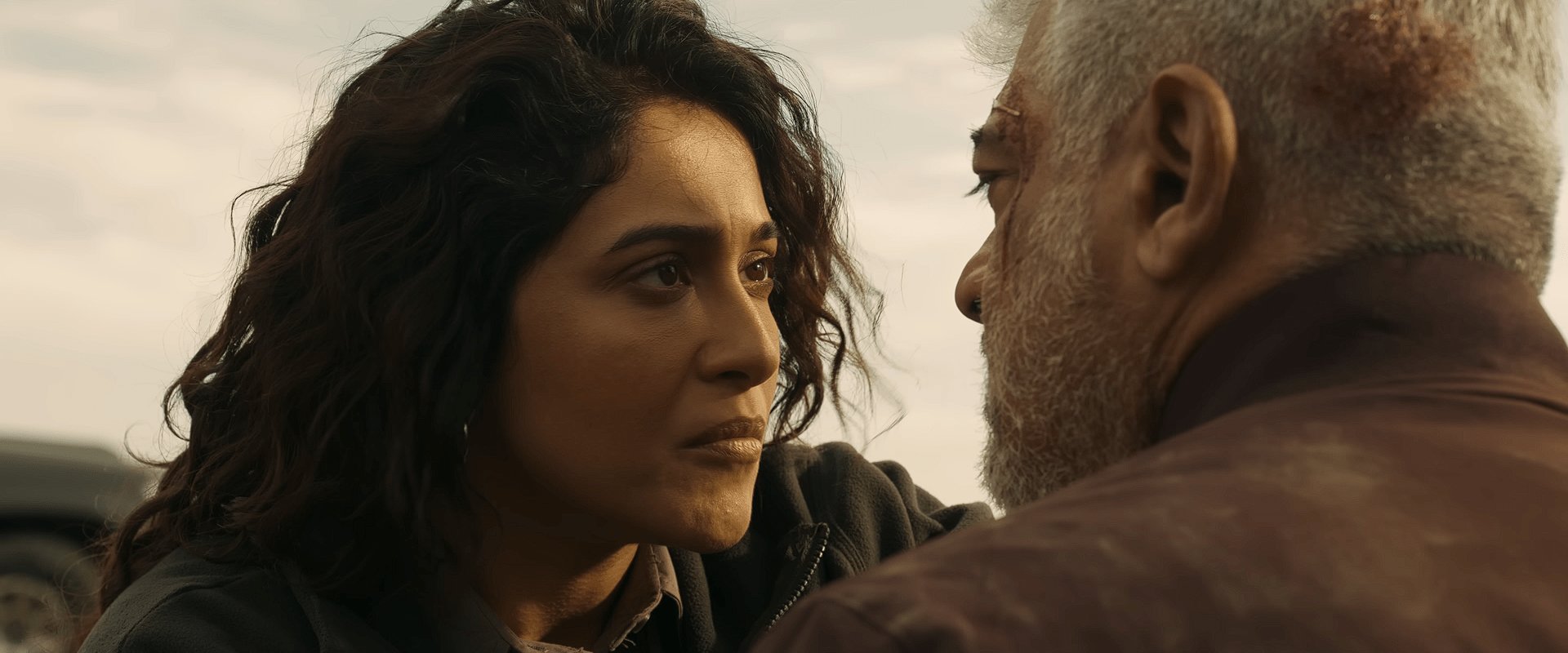
Visually, Azerbaijan should have been a character in itself. But the way it is portrayed is almost counterproductive. The local people are reduced to background fillers, while all major roles are handled by Tamil actors. Even that might have worked if the foreign setting added texture or urgency, but it doesn’t.
And the depiction? Far from boosting tourism. If anything, the film paints Azerbaijan as an isolated, unsafe terrain where:
- “for 100 kilometers you won’t get any phone signal,”
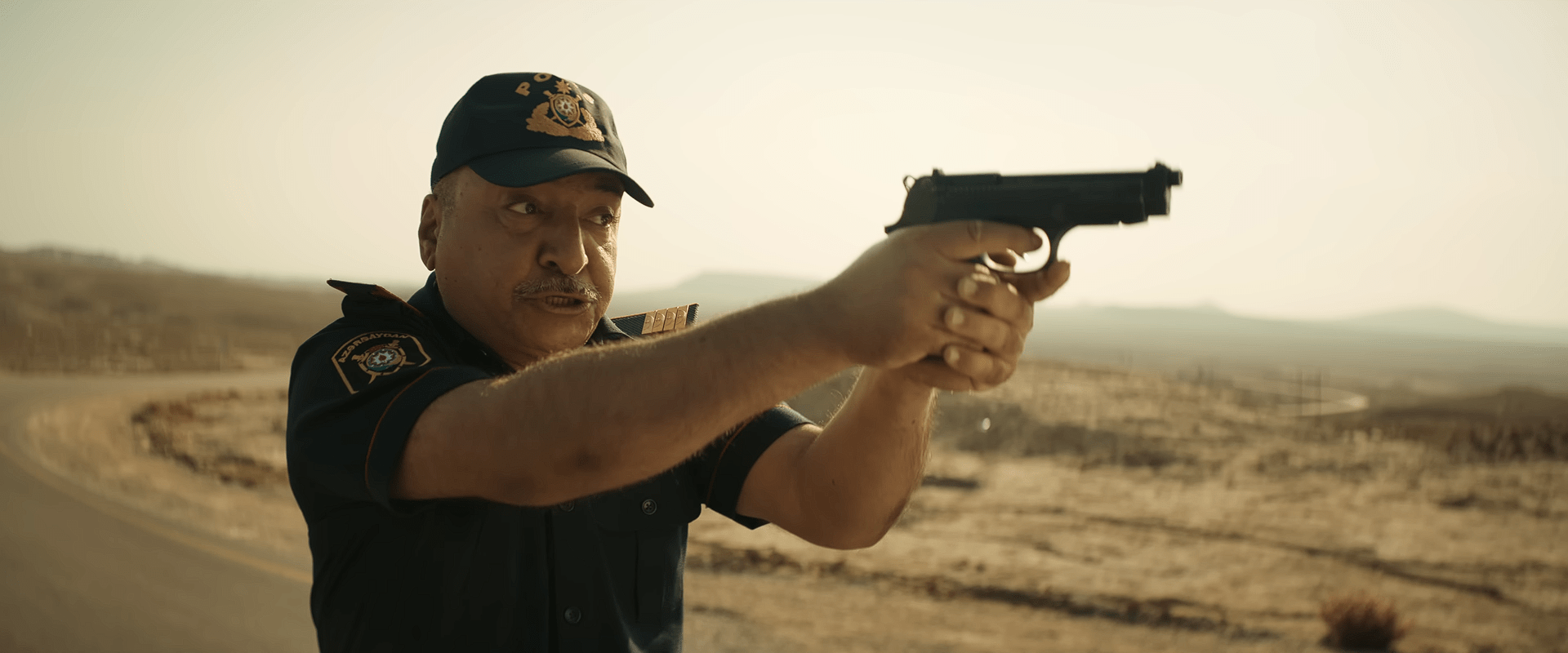
- highways have “only one policeman roaming,”
- an ambulance “will take half an hour to arrive,”
- banks run with a single staffer,
- police stations operate with one officer,
- and the only Tamil people you meet “look like scary rowdies.”
With such framing, who would feel like visiting? As I watched, I wondered why they travelled across continents when our hill ranges could’ve delivered equal visual appeal at a fraction of the cost.
Pacing, Length, and the Lack of Precision
The original Breakdown runs for a crisp one and a half hours. Vidaamuyarchi, however, stretches to two and a half hours, and the drag becomes palpable. Multiple filler scenes, redundant emotional diversions, and predictable villain-beating sequences inflate the runtime without enriching the story.
The hero hits the small villain, then a slightly bigger villain, and finally the main villain. The classic template appears once again. For a story already wobbling, this formulaic progression closes the door on any chance of redemption. As I watched the climax unfold, it felt as though the film slammed shut a door that needed just a gentle push to fall.
What added to the amusement was the director’s pre-release statement: “I didn’t choose this story. Ajith sir chose it.” That escape route explanation felt scarier than the film’s most intense scenes.
Final Thoughts: A Film of Lost Potential

There is no denying that Vidaamuyarchi had potential – tight source material, a strong lead actor, and a dramatic emotional core. The first half proves that the adaptation could’ve been impactful with the right focus. But the second half collapses under misguided choices. Thrillers live and die on precision, pace, and clever writing. When those are replaced with template fights, unnecessary flashbacks, and logic-defying sequences, the experience falters.
As I walked out, I found myself wishing for just a handful of smartly crafted scenes – set pieces that could’ve elevated the hero, sharpened the tension, and redeemed the adaptation. Instead, I got a film that Indianised the premise well initially, only to abandon finesse where it mattered most.
Rating: 2/5