Rajkummar Rao’s first theatrical outing after Stree 2 arrives in the form of Vicky Vidya Ka Woh Wala Video, and it pairs him with Triptii Dimri, who experienced meteoric rise after Animal. Her performance there sparked an overnight pop-cultural phenomenon: memes, reels, fancams – the internet crowned her a “national crush.” The irony that this new film is based on a “video” couldn’t be more on-the-nose. People joked about “that” viral video meme, and here we are with a title that literally winks at the audience: Which video? That video. It’s an intriguing hook, and the trailer leans confidently into it – but what the movie ultimately delivers is another story altogether.
A Honeymoon Tape, A Lost Disc, and a Whole Lot of Chaos
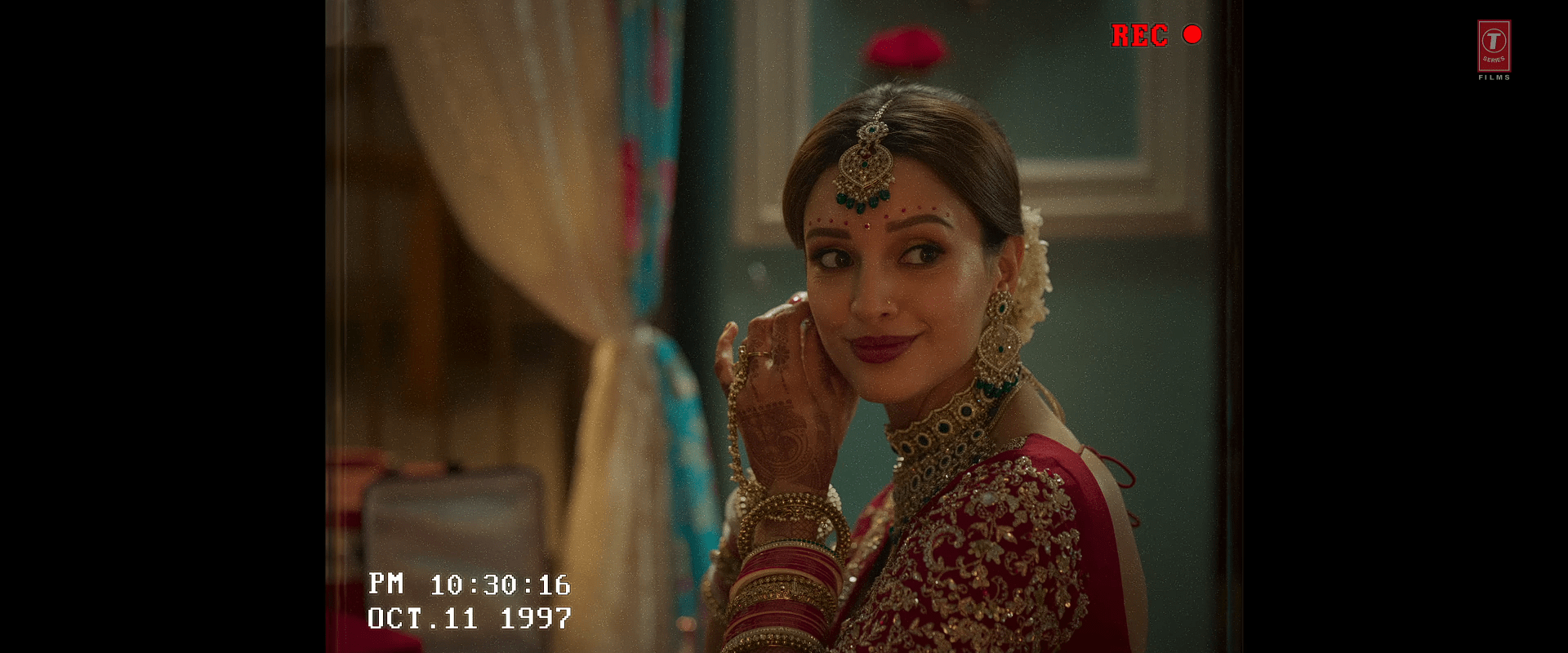
At its narrative core, the film is about Vicky (Rajkummar Rao) and Vidya (Triptii Dimri), newly married in 1997. On their honeymoon, they do something reckless, playful, and impulsive: they decide to record their suhaag raat (first night). Their plan sounds more like a juvenile dare – “When we fight someday, we’ll watch it and remember our love.” There’s no need to explain what would happen if someone actually plays that video later. The thought is embarrassing enough.
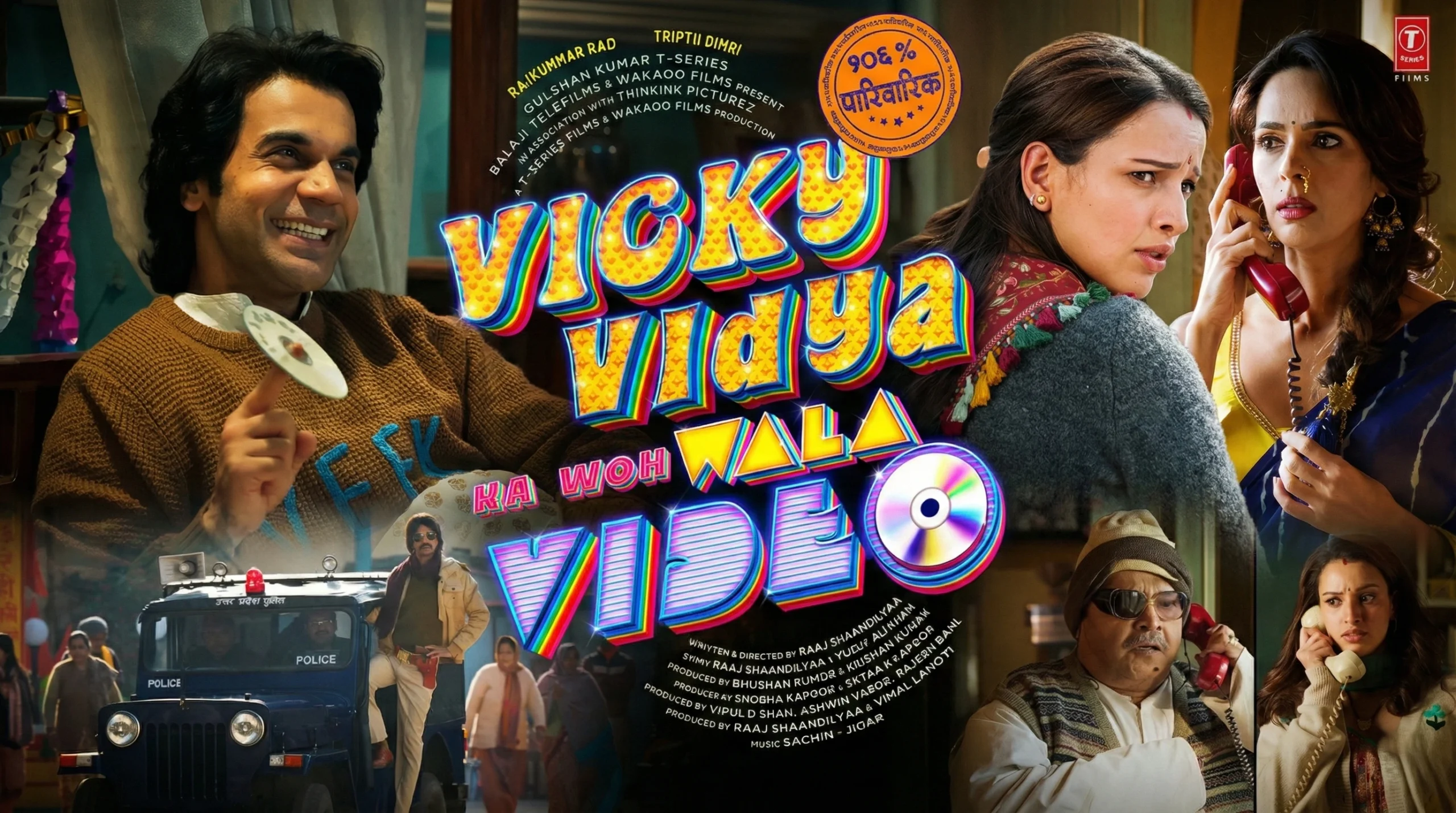
The premise has the potential to be a situational goldmine, and the first act sets it up clearly. The couple records the video on a CD – yes, a compact disc. Today’s Gen-Z audience, scrolling TikTok at 2x speed, may not even know this once-dominant relic. The movie genuinely pauses to explain the concept: you’d burn audio and video onto these shiny gold plates, then insert them into a bulky CD player that whirred like a blender and hoped it didn’t scratch the disc. And in typical comedy fashion, both the CD and the CD player disappear from the house. Now begins the mad chase: find the thief before the tape leaks publicly, because once leaked, it takes a life of its own – “link link,” as everyone online would scream.
The blueprint here is obvious: a situational comedy. The protagonists trapped in a humiliating situation. A growing list of potential suspects. A ticking clock of social shame. Add some mystery, some panic, some dramatic irony, and watch the audience laugh. Except the film isn’t satisfied with that simplicity. It tries to be a half-mystery too. And in its relentless attempt to maintain momentum over two and a half hours, it forgets the one thing a comedy needs above all: clarity of tone.
- A Honeymoon Tape, A Lost Disc, and a Whole Lot of Chaos
- When Comedy Takes Priority Over Story – and Fails
- Performances: Trying Very Hard, Saving Very Little
- Visuals and Production: From CGI Trains to Corporate Overload
- A Second Half That Collapses Into Absurdity
- And Then… Stree? Yes. Stree.
- Final Thoughts: A Movie That Had a Premise, But Not a Purpose
When Comedy Takes Priority Over Story – and Fails
After sitting through the entire runtime, my only honest reaction was: this film has very little substance, so it tries to compensate with volume. Not volume of jokes – volume of attempts at jokes. The screenplay feels like it was stitched together from improvisational ideas and then hastily turned into “scenes.” Instead of plotting the story and then inserting humor naturally, the writers seem to have gone the other way around. They thought of punchlines first and then built scenes around them. “Let’s make a gag about a grandpa tripping over the maid in the dark.” “Let’s make a joke about a dog misunderstanding.” “Let a random unnamed guy walk into frame and ask the protagonist, ‘Bhaiyaji, pee-shaab?’” Then they leave. It’s not setup–payoff storytelling; it’s scene–crash–exit chaos.
The result? Momentary fragments of attempted comedy that appear, annoy, and vanish. Many of them are so disconnected that I didn’t care about them at all. There’s no flow. The humor is infantile in places, and the bits that are supposed to make you burst into laughter feel embarrassingly outdated. Ironically, the movie is set in 1997, but the jokes feel like they were dug up from some Stone Age cave painting of “what humans think is funny.”
At 9 AM, in a theatre half-awake, I genuinely sat there thinking: is this movie this rushed, or am I hallucinating? Scenes cut abruptly. Gags land with zero setup. The rhythm is chaotic. The screenplay treats attention span like a microwave popcorn timer.
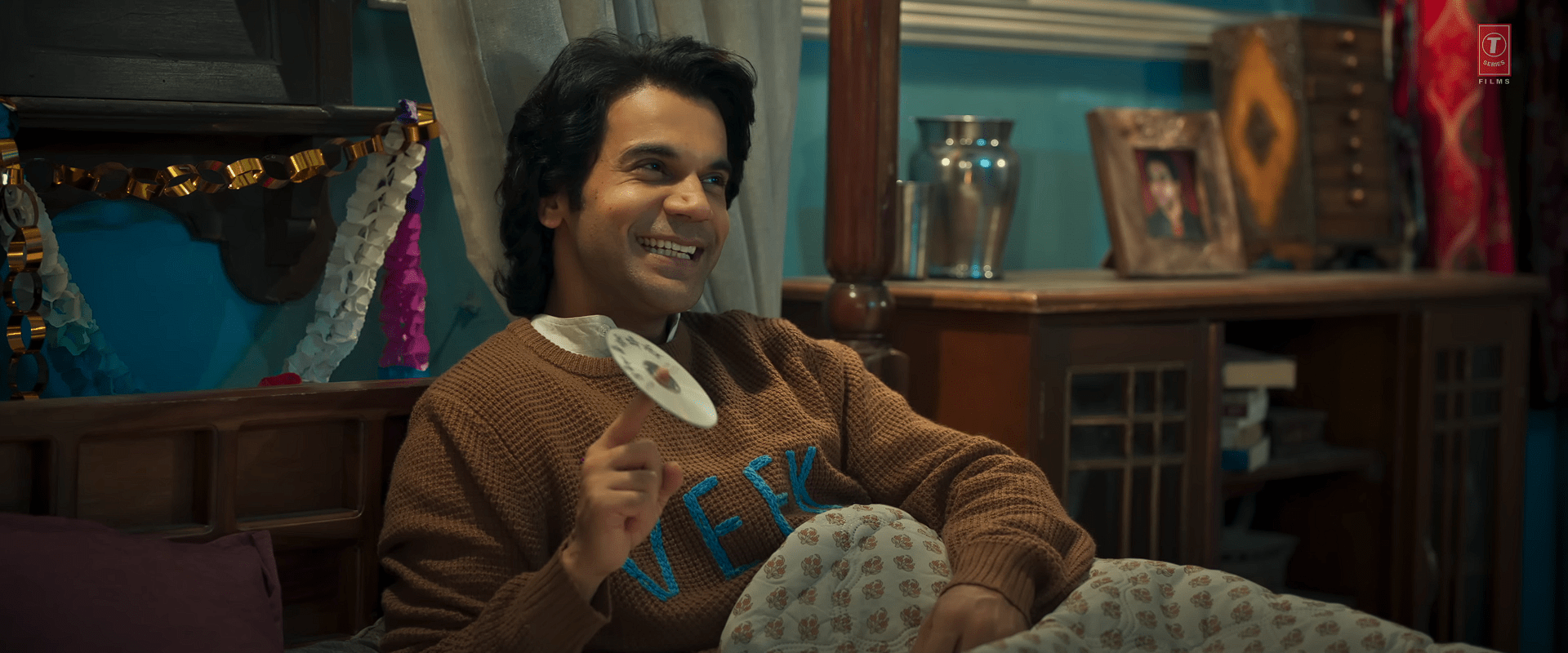
And what hurts most is that Rajkummar Rao is the lead. The same Rajkummar Rao who effortlessly owned the comic timing of Stree 2 just months ago. The same actor giving his all here – and still unable to rescue it. Not because he’s off his game, but because he’s working with material so flimsy that even his intensity can’t lift it.
Comedy is subjective, absolutely. Some people will laugh. Some scenes may make you chuckle. But subjectivity isn’t an infinite excuse. When a film gives you repeated desperation disguised as humor, you can feel the strain.
Performances: Trying Very Hard, Saving Very Little
Let me address the cast. Rajkummar Rao tries. Triptii Dimri tries. There is no shortage of energy. But energy without direction is like fireworks indoors: flash, bang, chaos, no spectacle. Every actor seems to be performing with one agenda: “Look, look, look! We’re being funny!” And that visible effort is the loudest problem of the film.
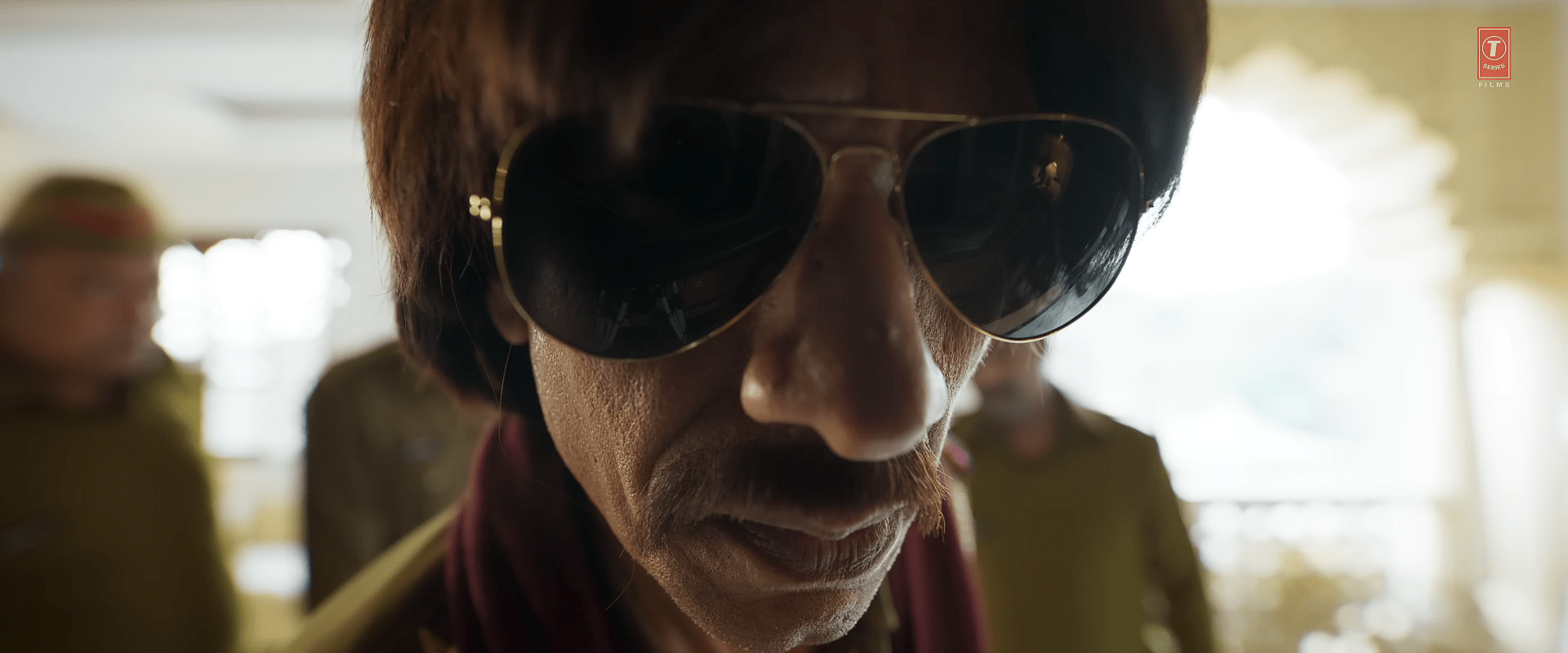
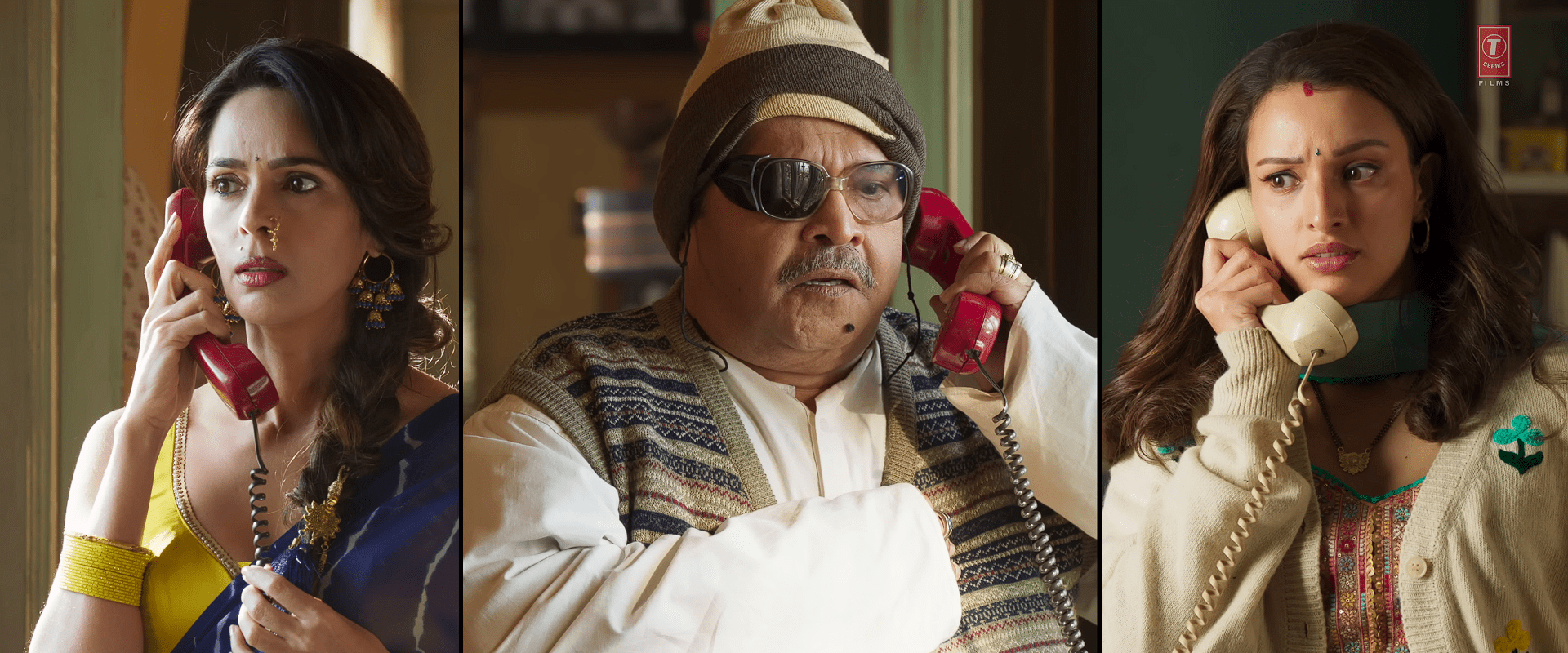
The one partial exception is Vijay Raaz. Not a “saving grace” – because salvation is impossible here – but he at least injects bits of soul into his scenes. His moments with Mallika Sherawat are bizarrely entertaining, especially a musical sequence featuring the two of them dancing like a fever dream. For a few minutes, I genuinely thought, “Okay, now the film is finding its groove. Maybe now the humor will click.” But no – whatever spark existed fizzles instantly.
Visuals and Production: From CGI Trains to Corporate Overload
Let’s talk visuals. The movie opens with a train shot. It’s CGI. It looks cheap, but I tell myself, “It’s a comedy. Don’t nitpick.” Then – later in the movie – the exact same shot appears again. Not similar. The same shot. And at that point, I couldn’t hold back. It looks like someone pasted a PNG of a train’s front and animated it wobbling toward the camera. A train that moves on invisible tracks, swaying left and right like a drunk uncle. It’s unintentionally hilarious, and honestly, that’s the closest the movie got to making me laugh.
Then there’s the production branding. T-Series produces the film, and before it even starts, the T-Series logo appears four times – each one accompanied by Animal’s music. Four times. The tone of the film hasn’t even begun, and your brain is already being hammered with corporate chest-thumping.
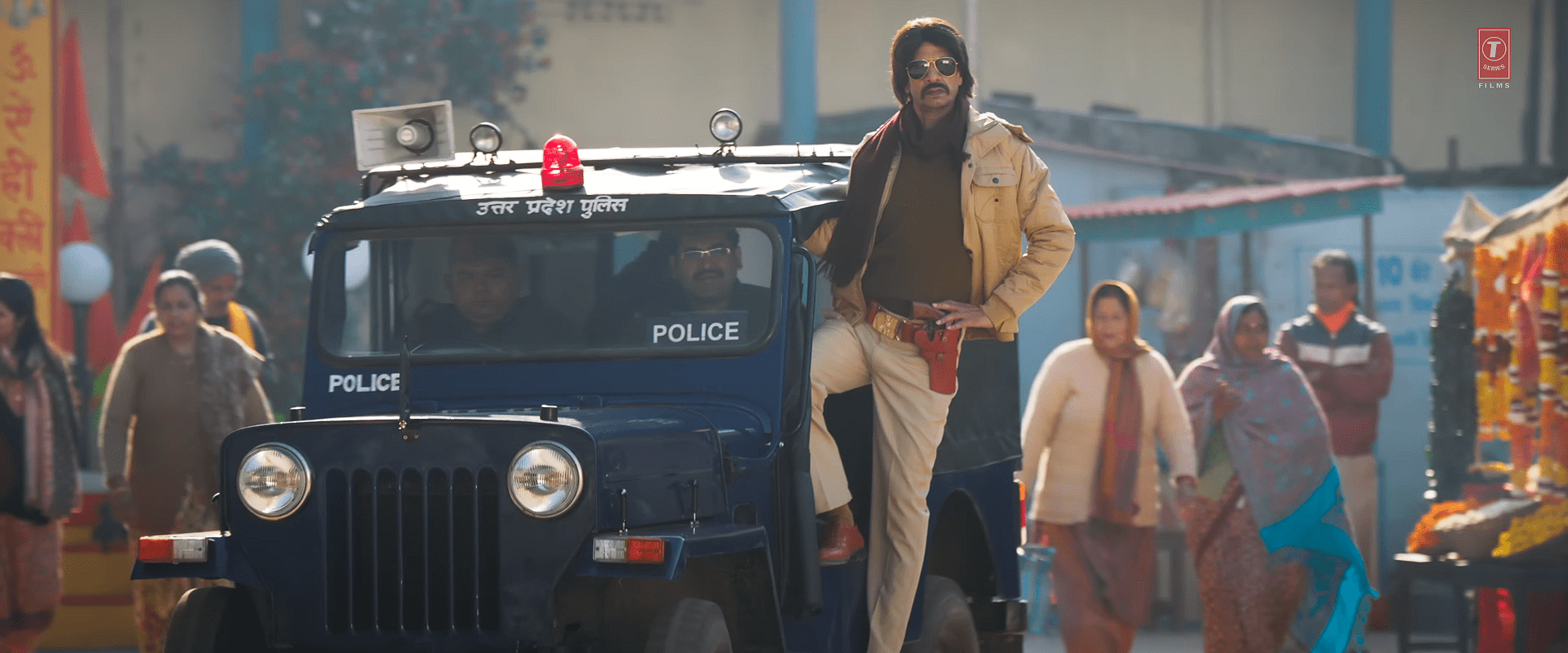
A Second Half That Collapses Into Absurdity
Let’s talk structure. The interval arrives, and by the time the film enters its second half, I am in the theatre questioning whether to continue. Not because of any provocative discomfort, but simply because it wasn’t fun anymore. But I write reviews. I have to stay. So I stay.
And then comes a twist so out of place that I physically asked myself, “What is happening?” The entire story revolves around the missing CD. The emotional stakes revolve around what happens if it leaks. So naturally, I expect the finale to lean into emotional closure – maybe a message about privacy, relationships, forgiveness. You know, the template Bollywood has used for over a decade: big emotional speech, moral catharsis, everyone claps.
The movie does try this. But the emotional payoff has absolutely nothing to do with the main plot. The CD, the theft, the chase – none of it matters. The film abandons its own premise, like a student realizing at midnight that they wrote the wrong assignment and trying to salvage it with a motivational quote.
The message the film finally produces is:
Making the video was foolish, but even if it leaks, people shouldn’t watch.
Correct in principle. Useful as a moral. But the path they took to reach this conclusion? A tangled mess of tonal whiplash and narrative shortcuts.
And Then… Stree? Yes. Stree.
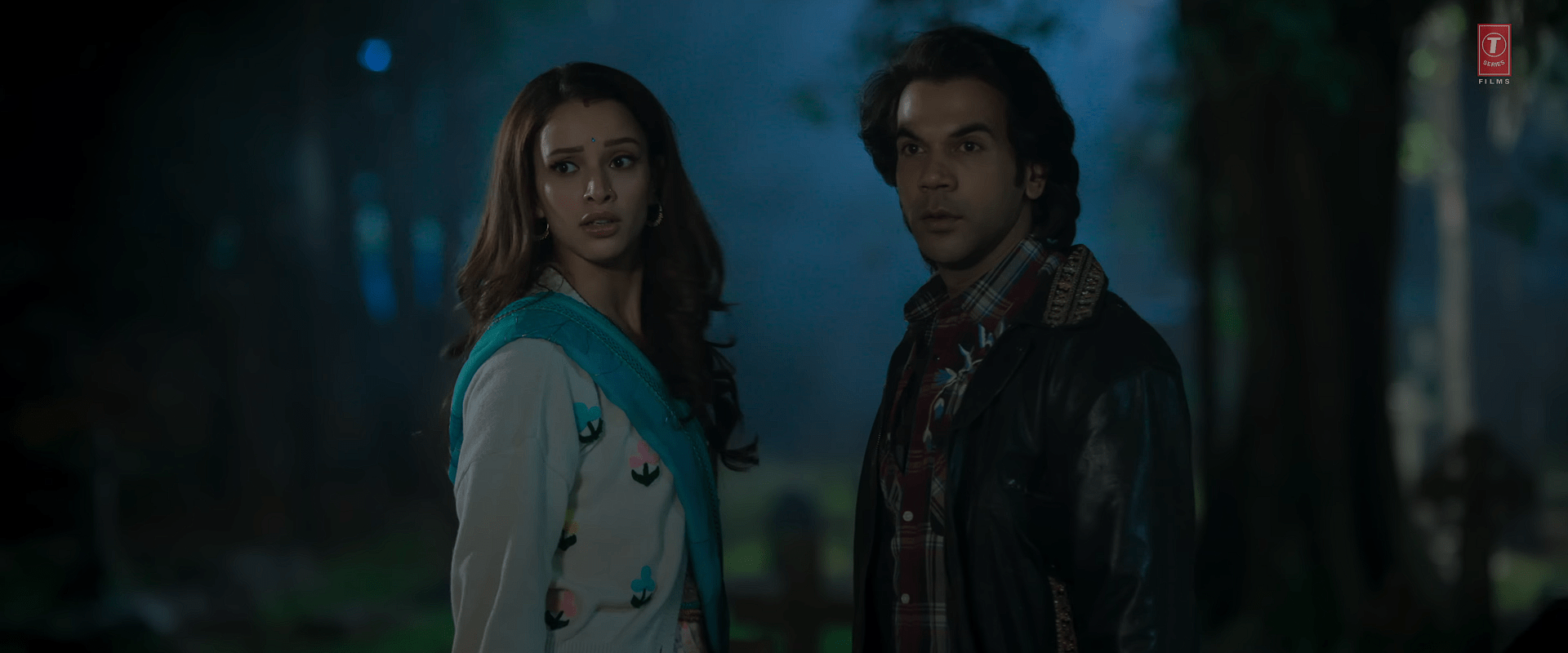
What I’m about to describe is not a spoiler. It’s in the trailer, and honestly, it’s better to warn you now than to let the shock punch you unprepared.
Before the emotional segment, the movie inserts a full graveyard sequence. Out of nowhere. And suddenly – a ghost appears. Not just any ghost. Stree. Yes, the Stree.
No ghost in the film for two hours. No supernatural hint. No paranormal build-up. And then – bam – Stree arrives, spooks the characters, scares Rajkummar Rao, cracks a few lines, and leaves. Like a Youtube parody cameo. I genuinely don’t know whether they asked for permission or simply imitated their own IP. Watching it felt like the filmmakers took the most random idea from a brainstorm board and said, “This will go viral on reels.”
And even after the absurdity – after this jarring genre switch – the scene isn’t funny. The comedy evaporates. The horror adds nothing. The narrative collapses. A comedy movie suddenly decides it wants to be horror, changes its genre mid-flight, and then lands nowhere.
Final Thoughts: A Movie That Had a Premise, But Not a Purpose
By the time the credits rolled, the most interesting thing on screen was the Pawan Singh song playing after the movie ended. That says more than any critic possibly could.
Vicky Vidya Ka Woh Wala Video begins with a genuinely promising premise: intimacy, embarrassment, social shame, stolen privacy. You can extract real humor from that. Real tension. Real character work. But instead of building a narrative around that core, the film treats the premise like an Instagram caption and fills the runtime with immature gags, abrupt sketches, confusing genre shifts, and writing decisions that feel entirely detached from storytelling.
Rajkummar Rao tries. Triptii Dimri tries. Vijay Raaz tries. But effort isn’t direction. Effort isn’t structure. Effort isn’t screenplay. No actor, however talented, can save a script that doesn’t know what it wants to be.
Rating: 1.5 / 5
A chaotic, unfocused comedy that loses its own plot and mistakes noise for humor.