The third part of the Venom movie franchise, officially titled Venom: The Last Dance, arrived in theaters today. Oddly, my ticket printed the words “Last Chance.” I genuinely had a moment of panic – did I watch the wrong film? Was this some alternate cut I wasn’t meant to see? But no, I had absolutely seen the right picture, because Sony Pictures has once again delivered exactly the brand of cinematic chaos I expected from them. Mashallah, subhanallah, what work they’ve done – maintaining their track record of creative decisions that leave audiences half-confused, half-entertained, and fully conflicted.
Walking out of the theater, the first thing circling in my mind was a list of clearly identifiable checkpoints – four major things the makers should have addressed – and how spectacularly they avoided all of them. It’s almost a tradition at this point: the most basic, straightforward narrative obligations are the ones Sony cheerfully sprints away from.
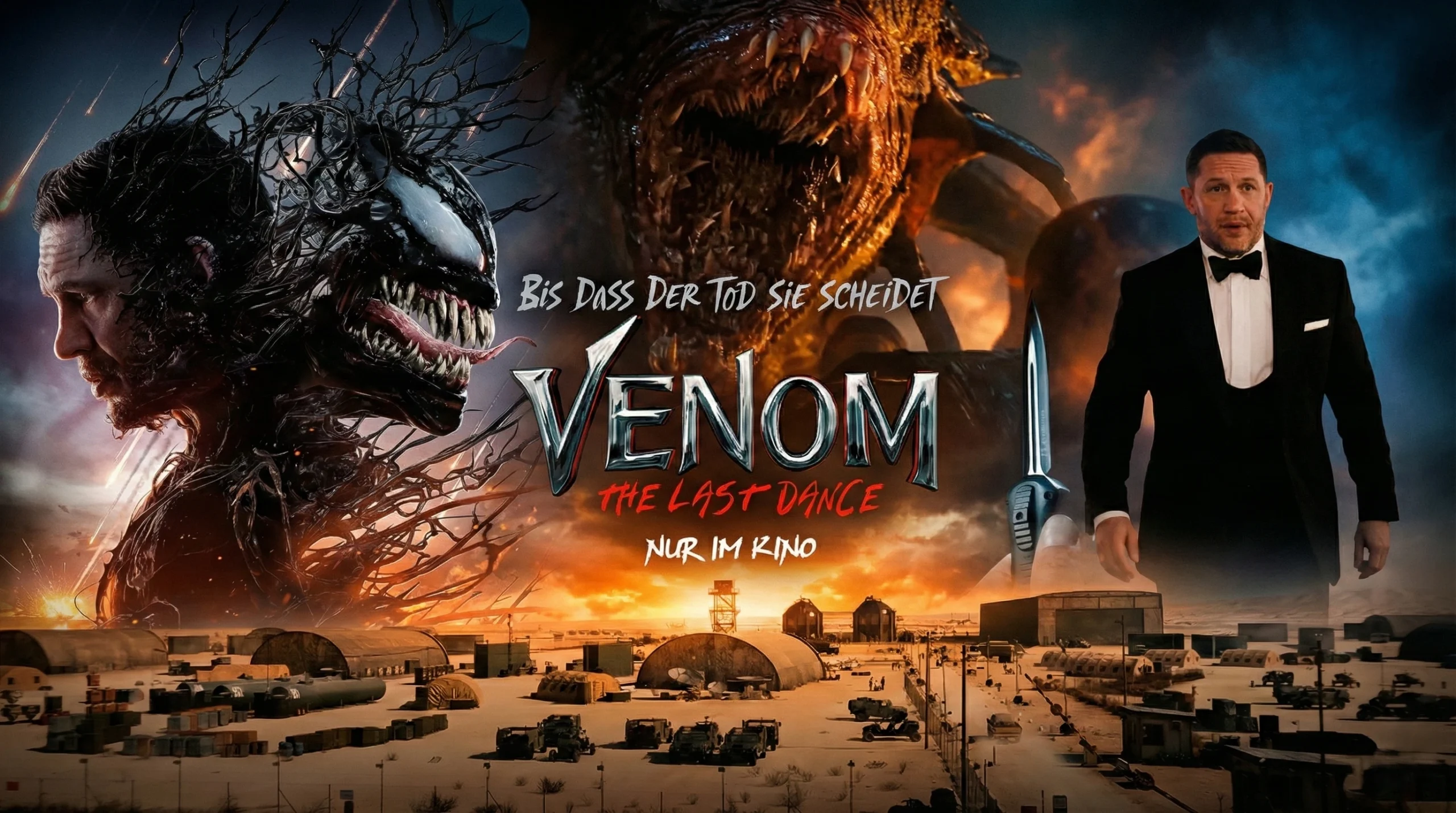
The Four Promises They Were Supposed To Deliver
- The Four Promises They Were Supposed To Deliver
- 3. Deliver a Proper Farewell
- The Endearing Curse of the Sony Spider-Man Universe
- The Great Post-Credit Betrayal
- If We Forget the Universe… Is It Good as a Standalone?
- World-Ending Stakes, Gravity-Defying Nonsense
- Las Vegas, Area 51, and the Case of Phantom Plot Threads
- The Positives – Because There Actually Are Some
- Credit Scenes: The Eternal Gamble
- So Where Does It Stand?
- Final Verdict
1. Resolve the Multiverse Tease
Let’s start where the franchise left us hanging. At the end of Venom: Let There Be Carnage (Venom Part 2), the post-credits scene showed Venom shifting universes and landing face-to-face with Spider-Man’s world. Then in Spider-Man: No Way Home, he’s shown going back. So… what happened? What was the point of moving universes if we were just going to reverse it? Explain it, flesh it out, give us even a few narrative breadcrumbs. None of that happens. The film simply behaves like that entire continuity event only existed as a marketing gimmick – a flashy poster caption that doesn’t actually influence the story.
2. Give Us a Good Story
The second point is painfully simple: tell a solid story. And we will definitely talk about this in detail later, because Venom 3’s so-called plot manages to be both straightforward and nonsensical at the same time – like someone taped scenes together using vibes instead of logic.
3. Deliver a Proper Farewell
Sony’s marketing campaign loudly framed The Last Dance as the final Venom movie – the end of Tom Hardy’s Eddie Brock/Symbiote journey. A goodbye. A last hurrah. A curtain call. So naturally, I expected something resembling an emotionally fulfilling farewell. Not a Shakespearean tragedy, but at least cinematic closure with thematic purpose. They attempt it – at the very last possible second – but it is so structurally awkward that it becomes one more symptom of how they approach storytelling: “We’ll blow all the bombs in the climax and call it a day.”
4. Hint at the Future
Finally, the film had the responsibility to show or even suggest what lies ahead in the Sony Spider-Man Universe (SSU). A tease, maybe a seed, a setup – something that ties the universe together. And instead of committing to any real direction, the movie shrugs and laughs at the concept of continuity. The makers essentially seem to say, “Chin Tapak Dum Dum – whoever has the guts will still watch this picture because we will continue to do what we’ve always done.”

The Endearing Curse of the Sony Spider-Man Universe
Many people forget (or try to forget) that Venom isn’t operating alone. Venom: The Last Dance is part of the SSU – Sony’s attempt at a Marvel-adjacent cinematic universe. The first four entries? A timeline that feels like an accidental comedy of errors.
It begins with Venom (2018) – a fun, popcorn-entertainment kind of movie. Not perfect, but undeniably enjoyable if you don’t poke too many plot holes. Then came Venom: Let There Be Carnage – a rough experience. After that, Morbius entered the chat, redefining disaster on an industrial scale. Madame Web followed soon after and somehow managed to look at Morbius and say, “Hold my popcorn.”
And now Venom: The Last Dance arrives. Not as bad as those last two – thankfully – but certainly not the triumphant redemption arc we deserved. The silver lining? You don’t need to watch anything prior to understand this film, because continuity barely exists in the SSU. Sony has treated it like an optional seasoning: sprinkle it on when convenient, ignore it when commitment becomes uncomfortable.
The Great Post-Credit Betrayal
Sony’s entire strategy reminds me of a prankster who keeps dangling candy in front of children only to snatch it away. Flashback to 2021: Venom 2 released, reviews across the internet tore it apart, and yet people wouldn’t stop talking about the post-credit scene. “Bro, what did they do in the post-credit scene?! Oh my God!”
The scene itself had no meaning. Absolutely zero. The one single thread of importance that the movie was leaning on became nonexistent. And now, sitting through this third film, every new promise they make lands with the credibility of a used car salesman offering flying motorcycles. How will you believe these teases? Why should you trust them?
If We Forget the Universe… Is It Good as a Standalone?
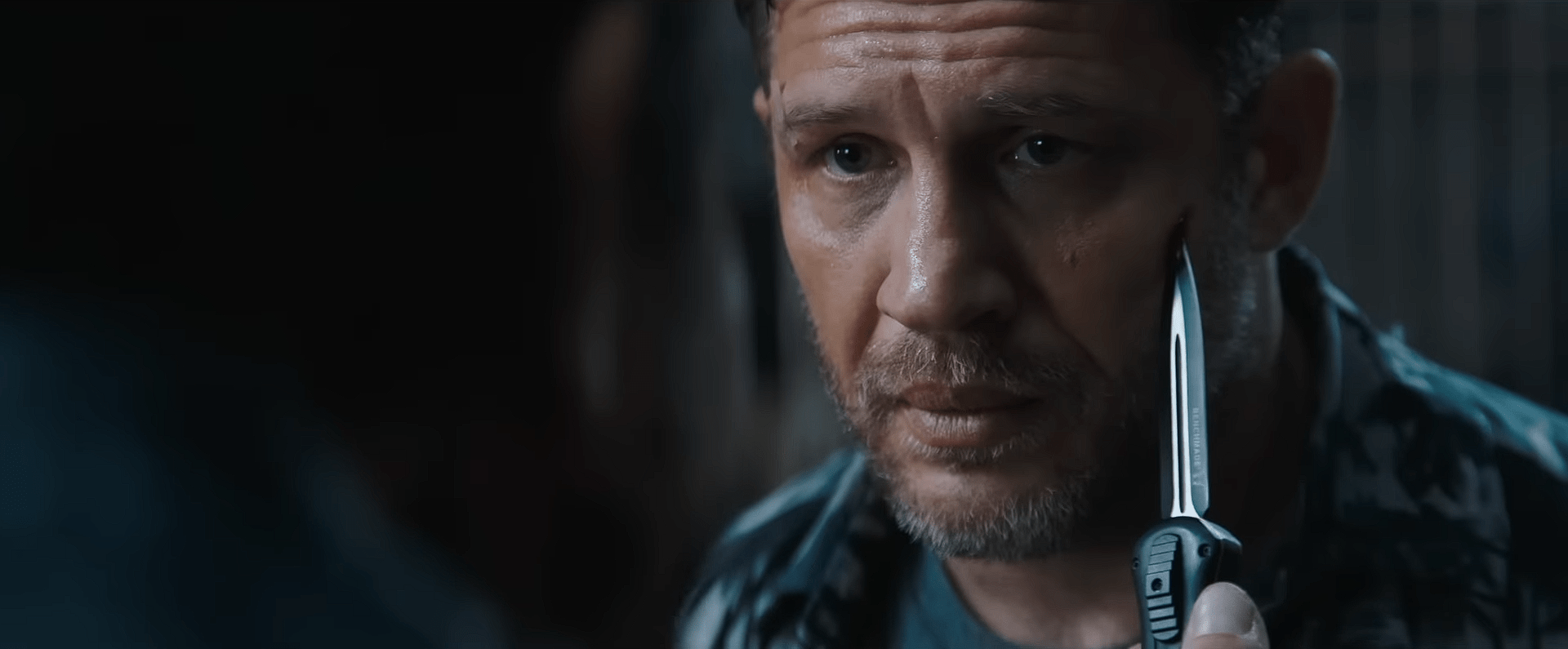
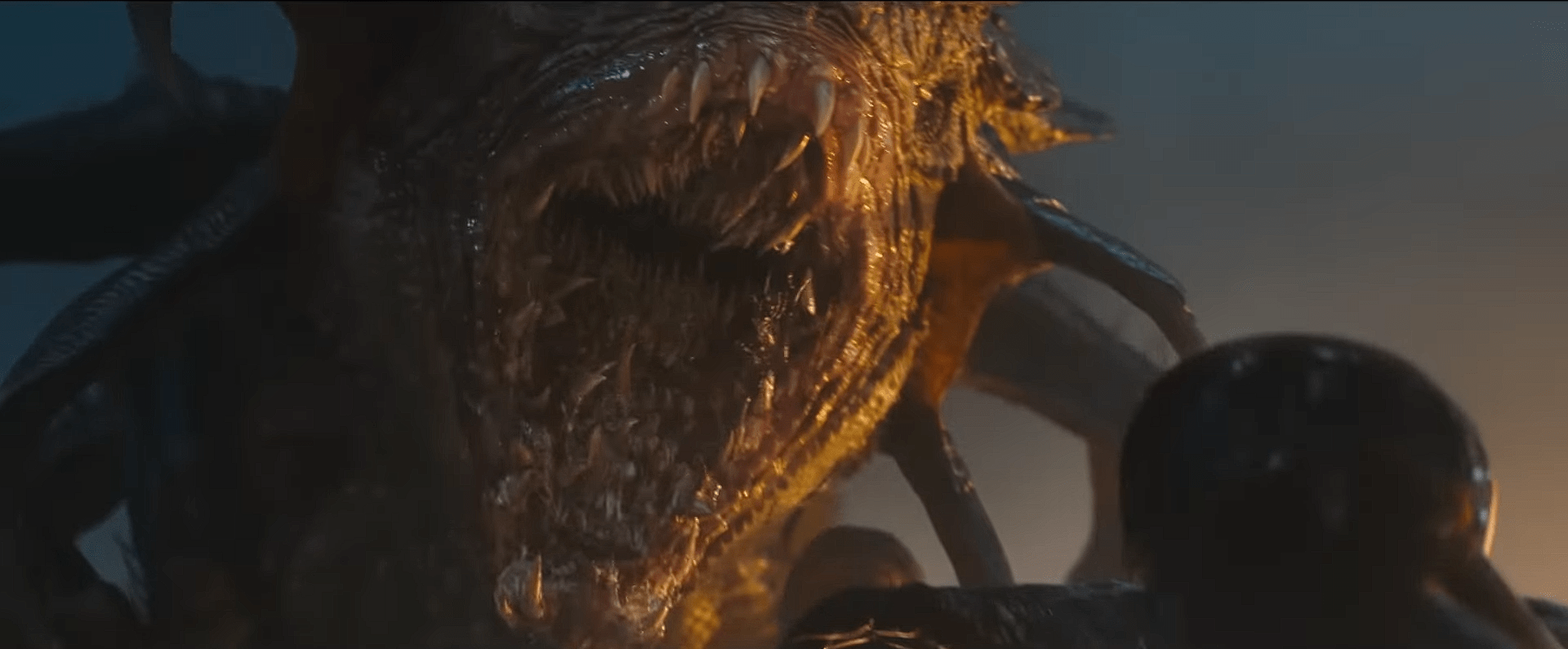
Let’s strip away the baggage. Let’s judge The Last Dance simply as a movie. If you keep up with superhero genre news, you definitely saw the hype: “Knull is coming!” The trailer whispered the name like a holy prophecy. Fans spiraled – theories, breakdowns, Reddit threads. But the amount of Knull actually shown? Maybe two drops of water in an ocean of promotional rhetoric. Expected? Yes. Disappointing? Also yes. So hear me clearly: if you’re going to the theater because you believe Knull will deliver something meaningful – don’t. Save your money.
World-Ending Stakes, Gravity-Defying Nonsense
The “story” of Venom 3 can be summarized in one simple line: Knull got stuck somewhere, and Venom & Eddie hold the key to their freedom.
That’s it. The Dark Lord sends his forces across the galaxy to track them down. One of those monsters lands on Earth – a creature so powerful it can jump from the ground to a commercial airplane cruising at thousands of meters in the sky. Literally Superman-level launch physics. And yet, in the climax, this unstoppable cosmic warlord can’t catch a car. A normal car. Driven by Eddie Brock. Film logic here behaves like a drunk uncle at a wedding: loud, irrational, impossible to reason with.
From there, the whole movie becomes a cosmic cat-and-mouse chase with occasional comedy injections. A random family gets involved, headed by a familiar actor. If you’ve watched House of the Dragon, you’ll recognize Otto Hightower’s face. If you’ve seen Andrew Garfield’s The Amazing Spider-Man, you’ll know him as the Lizard scientist.
Naturally, the internet erupted with theories: “How did he come here? Is there a connection? Is this a multiverse crossover?”
The answer: No. No connection. They simply cast him because: why not reuse your own actors? It feels like Sony sits in a conference room and asks, “How can we create maximum YouTube clickbait with zero narrative relevance?”
Las Vegas, Area 51, and the Case of Phantom Plot Threads

The movie barrels toward Area 51 and no, I’m not skipping plot points – there really isn’t anything else to tell. Once events move there, the writing becomes a parade of plot conveniences: setups so painfully obvious you can predict scene outcomes like you’re reading from the studio’s whiteboard.
I felt it. I saw the narrative foreshadowing. And I thought, They are 100% going to use this lazy setup in the finale. And sure enough, they did. Sony’s writing often resembles a magician who shows you the card up their sleeve and then still expects applause when they pull it out.
The Positives – Because There Actually Are Some
Let’s be fair. I didn’t walk out of the theater furious. There are things I genuinely enjoyed, starting with the action.
The movie’s spectacle is surprisingly entertaining:
- A battle on top of a flying plane.
- Underwater combat sequences.
- Glowing chaos in Las Vegas.
- A showdown in Area 51.
These moments deliver visual adrenaline. Venom’s CGI looks strong – the texture, the scale, the fluid violence of the symbiote body. When the action hits, it hits. And the humor – or as they call them, “buck moments” – isn’t completely dead on arrival. Some jokes land, some miss, but Venom’s personality and mood remain genuinely enjoyable.
And the climax? I didn’t hate it. It bends logic in Olympic-level gymnastics to shove every character into the same location, but once the madness ignites, the spectacle is admittedly fun. Yes, borderline cliché, but still exciting enough that the audience noticeably wakes up.
Credit Scenes: The Eternal Gamble
There’s a mid-credit scene – don’t miss it. It adds spice, if not clarity. Then there’s a post-credit scene – you can absolutely skip it. Sony seems addicted to post-credit scenes that promise fireworks but deliver damp matchsticks.
So Where Does It Stand?
Terrifyingly enough, I can safely place Venom: The Last Dance above Venom: Let There Be Carnage. That technically makes it the second-best Sony Spider-Man Universe movie so far. Think about that for a moment. Not because this film is a masterpiece – but because its competition is a graveyard of cinematic misfires.
If you’re planning to spend your own money at a theater, your motivations likely fall into two categories:
- You love Venom’s personality.
You want to experience Eddie and his symbiote partner one last time – their banter, their chaotic duality, their bizarre bond. - You just want a superhero action entertainer.
Continuity doesn’t matter. Story doesn’t matter. You’re here for fights, CGI, explosions, and the occasional laugh.
But please – do not enter expecting cross-universe connections, deep lore payoffs, or respectful handling of the SSU’s dangling threads. Go in with low expectations, and maybe – just maybe – you’ll find a chance to stay happy.
Final Verdict
Venom: The Last Dance is not a disaster, but it is unmistakably a product of Sony’s chaotic cinematic philosophy: promise everything, explain nothing, distract with spectacle, and pray the audience forgives you. It’s entertaining, sometimes exciting, frequently nonsensical, and occasionally genuinely fun.
Rating: 3/5.