Akshay Kumar’s Sky Force finally arrives in theatres, and the makers have chosen a strategic slot – the Republic Day weekend – to bring this patriotic drama to the big screen. As I walked into the cinema, I wondered whether the timing was simply a marketing decision or whether the film itself would justify the emotion of the week. The trailer had already signaled the broad strokes of its story, but did the film live up to the anticipation? That question sat with me through the runtime as I watched Sky Force unfold its interpretation of one of the earliest significant aerial missions in Indian military history.
A Story Rooted in India’s First Surgical Strike, and Two Men at the Centre of It
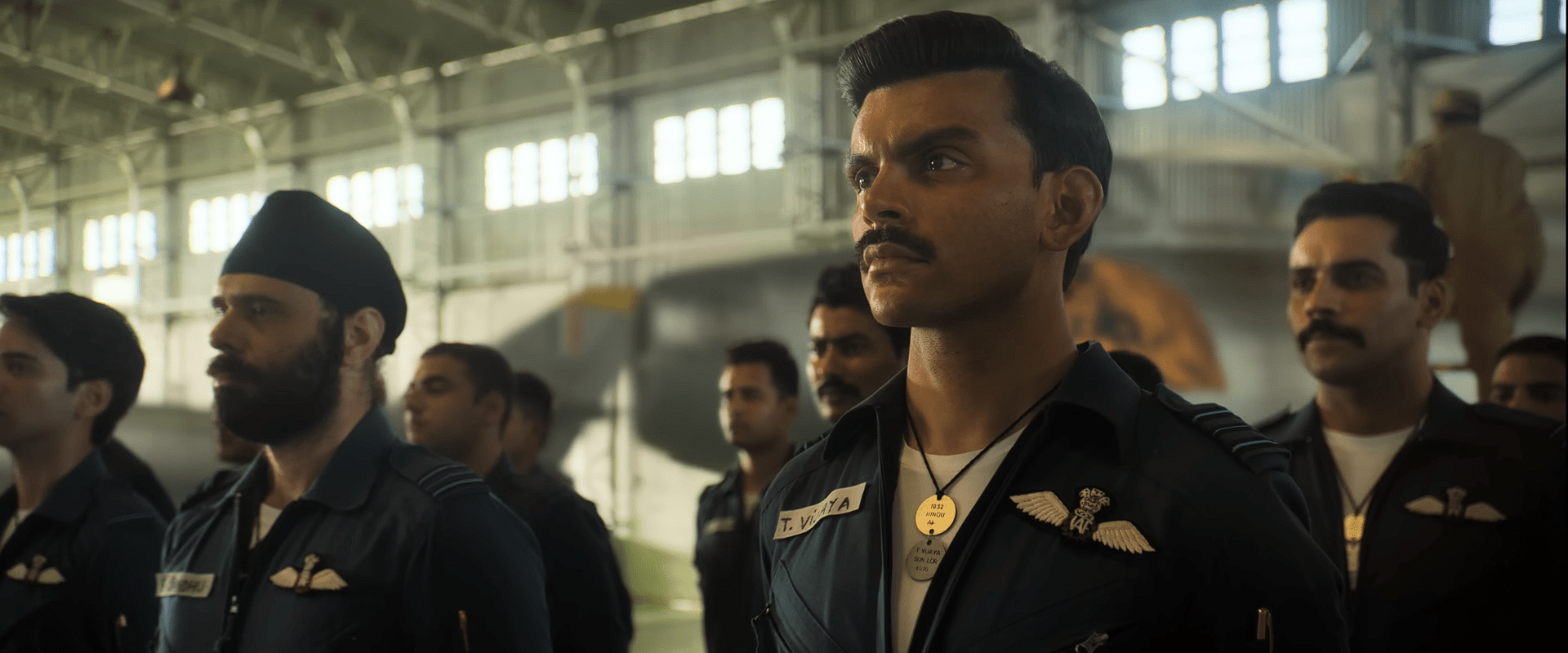
If you’ve watched the trailer, you already know that the film revisits India’s first surgical strike, dating back to 1965. More specifically, it centers its narrative around two characters – the first played by a seasoned Akshay Kumar, and the second portrayed by newcomer Veer Pahariya.
In today’s cinematic landscape, where biopics, true-event dramas, and patriotic films are arriving in large numbers, a sense of saturation is almost unavoidable. That saturation is precisely why many people – including myself perhaps – were not overly excited when the film was first announced. Moreover, the comparisons began early. Once the trailer dropped, many viewers immediately drew parallels with Hrithik Roshan’s Fighter, which was also packed with aircraft sequences, India-Pakistan tension, and dogfights involving downed pilots and rescue missions.
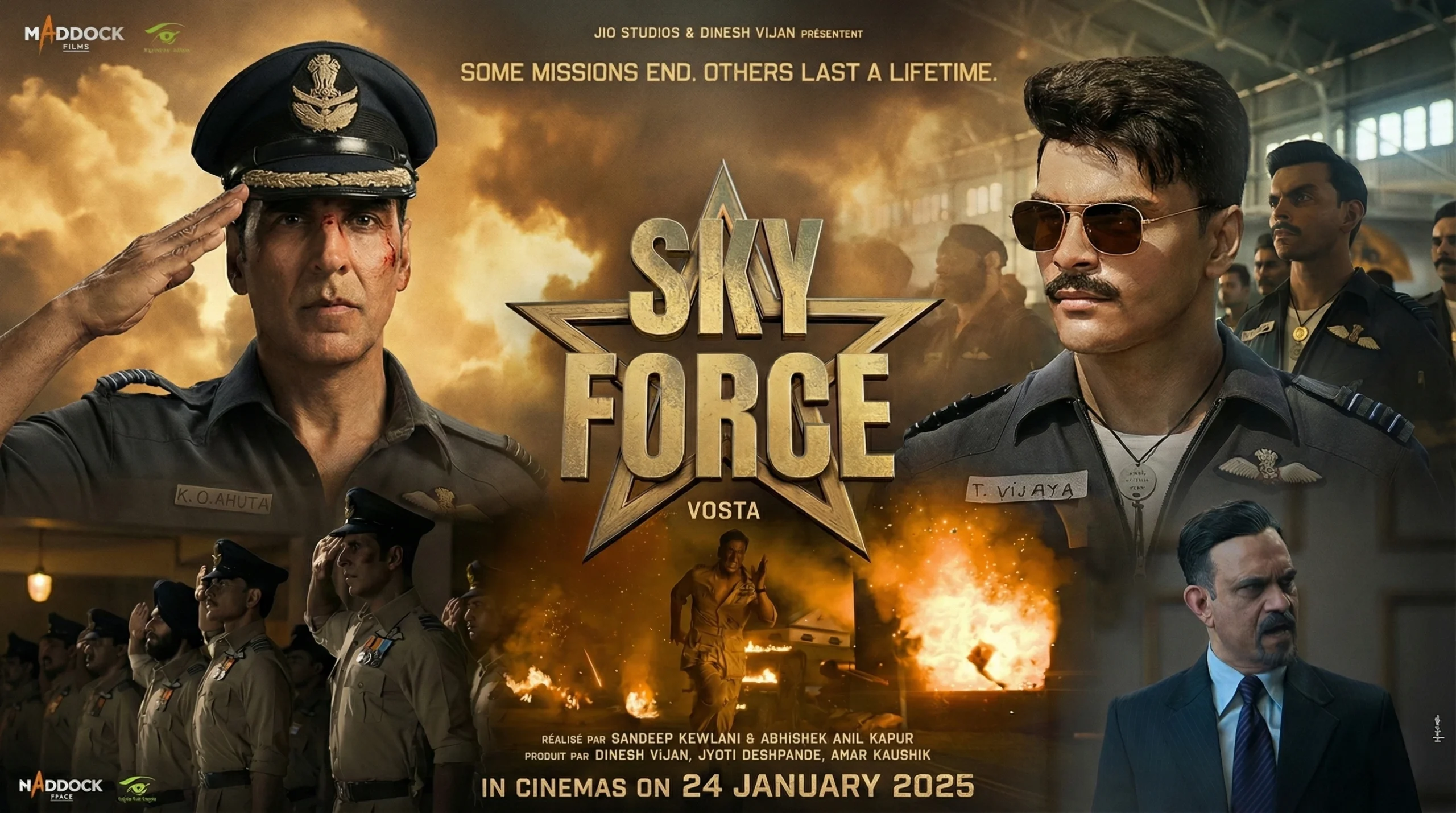
But here’s where the surprise lies: Sky Force is quite different. Not necessarily better, but definitely distinct in tone, scope, and storytelling. And surprisingly, it does some things better too.
The premise sets up a clear emotional hook: when the Indian Air Force undertakes its first-ever air strike, one soldier goes missing in action. That disappearance becomes the emotional and narrative engine of the film. The mission to uncover whether he survived or perished slowly takes over Akshay Kumar’s character, creating urgency and purpose.
Of course, I will not spoil what happens – because the suspense of that question is one of the few things the film guards quite well.
- A Story Rooted in India’s First Surgical Strike, and Two Men at the Centre of It
- A Familiar First Half That Checks the Expected Boxes
- Moments That Stand Out Amid Familiarity
- Action, Dogfights, and the Heavy Use of Slow Motion
- Akshay Kumar Shines, Veer Pahariya Impresses but Needs Finesse
- A Strong and Surprisingly Unique Final Act
- Visual Style: A Camera That Can’t Sit Still
- A Short, Crisp Runtime That Works in the Film’s Favor
A Familiar First Half That Checks the Expected Boxes
Across its two-hour runtime, almost the entire first 60 minutes – and even about 10 minutes beyond the interval – unfold at a very standard level. The film introduces the main team, shows off their flying skills, sets up the threat from the enemy, then moves quickly into preparations for a counter-attack. All the usual patriotic-drama boxes get ticked one after another.
There’s even a B Praak song, and at this point, I don’t think anyone needs a map to guess exactly where the filmmakers used it. Cue the emotional montage. Cue the swelling vocals. Cue a character recalling his one-line backstory, cleverly replayed in flashback to heighten tears. It’s a formula I’ve grown used to, and while it works in a technically acceptable way, I found myself wishing the film were bolder in these earlier sections.
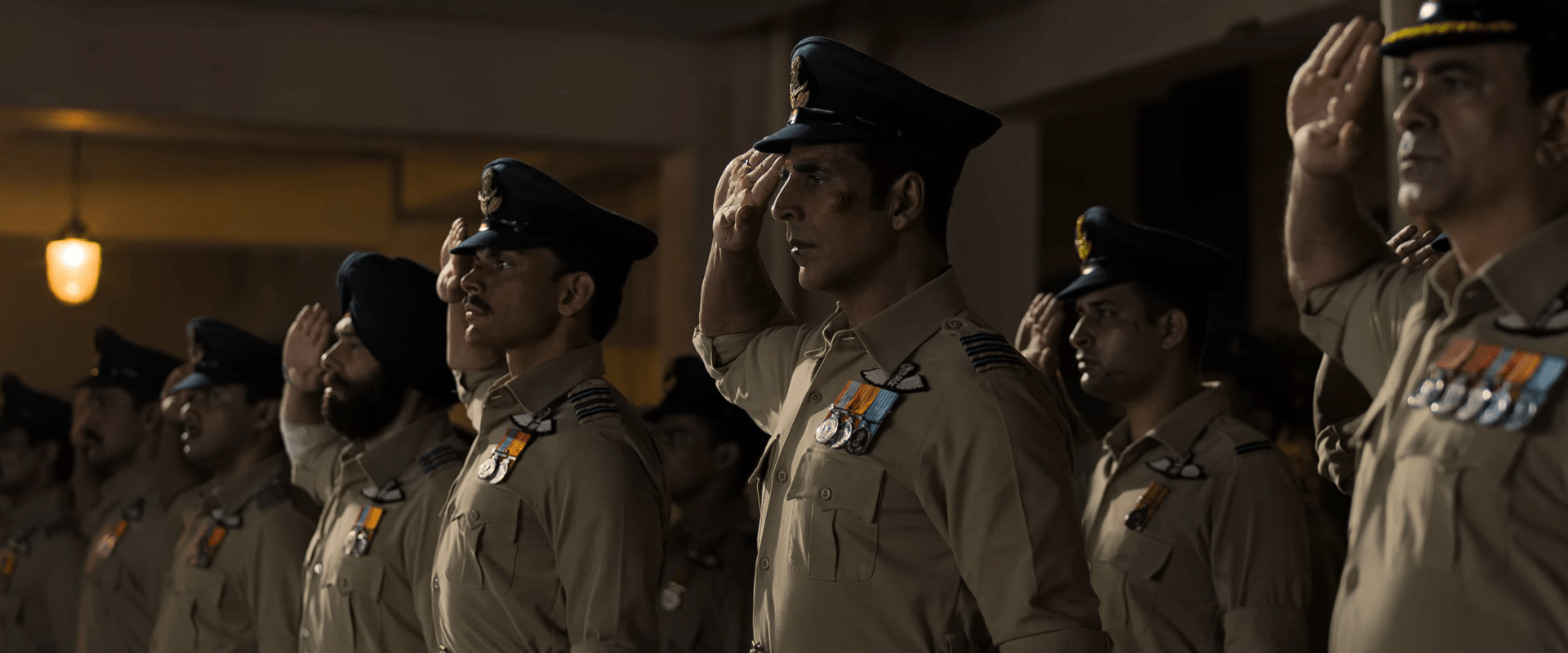
The biggest drawback here is the lack of character development. The main team has nearly 10 to 12 members, but the story focuses almost entirely on two. The rest are essentially extras with one meaningful line each – lines that exist only to be replayed later to remind us that they matter. Dialogues overall feel pragmatic but inconsistent; the music, too, occasionally feels “here and there.” Even the VFX in the early portions feels functional more than immersive.
Yet despite all this, boredom never seeps in. The crisp two-hour runtime keeps things moving, and the film’s pacing never allows scenes to drag. For a patriotic action drama, that economy of storytelling is both a strength and a limitation.
Moments That Stand Out Amid Familiarity
To be fair, the film does deliver some genuinely gripping scenes, especially during the attack sequence when the camera stays close to our central characters on the ground as they try to survive. This entire stretch is designed with a sense of immediacy that I appreciated. It’s not revolutionary by any means, but it injects a much-needed punch into the otherwise predictable first half.
However, the tightness of the narrative also trims away emotional depth. This becomes especially evident when the missing-in-action pilot is revealed to be missing. The moment should have landed like a punch to the gut, especially because Akshay Kumar’s character had earlier promised the pilot’s wife that he would protect her husband.
But the film rushes through it. Instead of focusing on the shock, grief, or helplessness that the emotional situation demands, the film skips straight into a montage and then jumps directly to the next plot point. This is a missed opportunity – one of the film’s biggest, in my opinion.
Action, Dogfights, and the Heavy Use of Slow Motion
A large chunk of the film’s action depends on aerial dogfights, and for clarity’s sake, the filmmakers rely extensively on slow motion. And by “extensively,” I mean extremely extensively. When I say they used it a lot, trust me – they used it a lot.
The intention here is clear: make the action visually readable and cinematic. To their credit, the sequences do look cool, and as someone who enjoys understanding who is ahead, who is behind, and what tactical maneuver is being used, these sequences offer moments of thrilling clarity.
But the downside is that if you’ve already watched other fighter-jet movies, some moves here feel too familiar. Also, around 20–25% of the time, it becomes unclear what exactly is happening or which pilot we’re following. The masks obscure faces, and without strong character beats earlier, distinguishing pilots becomes tricky.
Still, there is a clever callback involving the “You cockroach / Karan Arjun” reference – one of those small touches that actually works better than expected.
Akshay Kumar Shines, Veer Pahariya Impresses but Needs Finesse
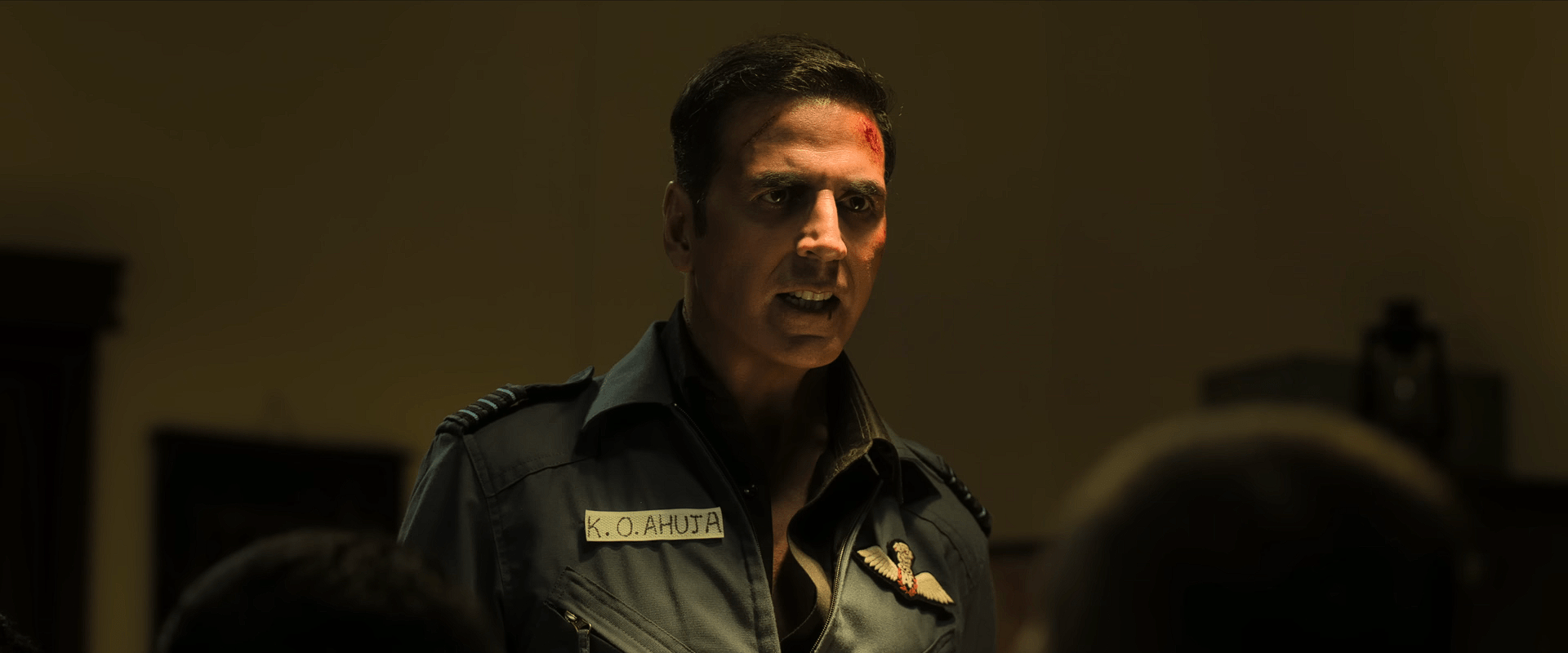
Performance-wise, Akshay Kumar delivers a solid act. He has always had an instinct for patriotic roles, and here, he balances restrained emotion with heroic resolve. His big whistle-worthy line – “Tera baap Hindustan” – could easily have slipped into cheesy territory, but it doesn’t. He lands it with dignity and a sharpness that works beautifully within the story’s patriotic pulse.
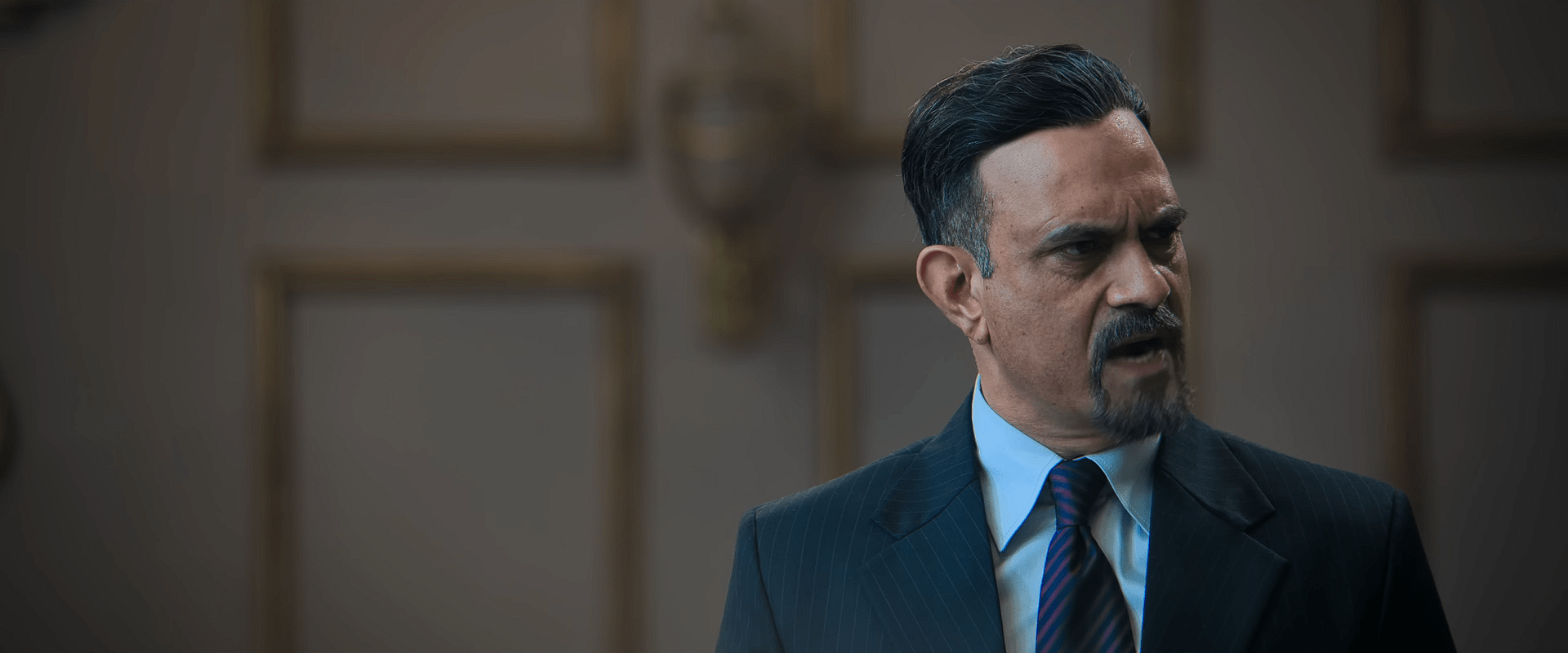
The emotional scenes also rest largely on his shoulders, and he carries them with sincerity. I genuinely liked his work here.
Veer Pahariya, making his debut, is physically competent and fits the part. However, the roughness in his expressions and dialogue delivery shows through in certain moments. It’s not distracting, but noticeable. He has potential, and with refinement, he could grow into more demanding roles.
A Strong and Surprisingly Unique Final Act
Now here’s where Sky Force finally takes off – its last 20 to 30 minutes. The climax is where the film separates itself from the crowded lineup of patriotic dramas released over the years. A sense of freshness, urgency, and emotional weight takes over, and I found myself genuinely engaged.
Had the film invested a little more time earlier in uncovering what truly happened to the missing fighter pilot, the payoff would have hit even harder. But despite that, the emotional impact in the climax still worked for me. I won’t say I broke down – but yes, the film succeeded in pulling some emotion out of me, and in a film like this, that matters.
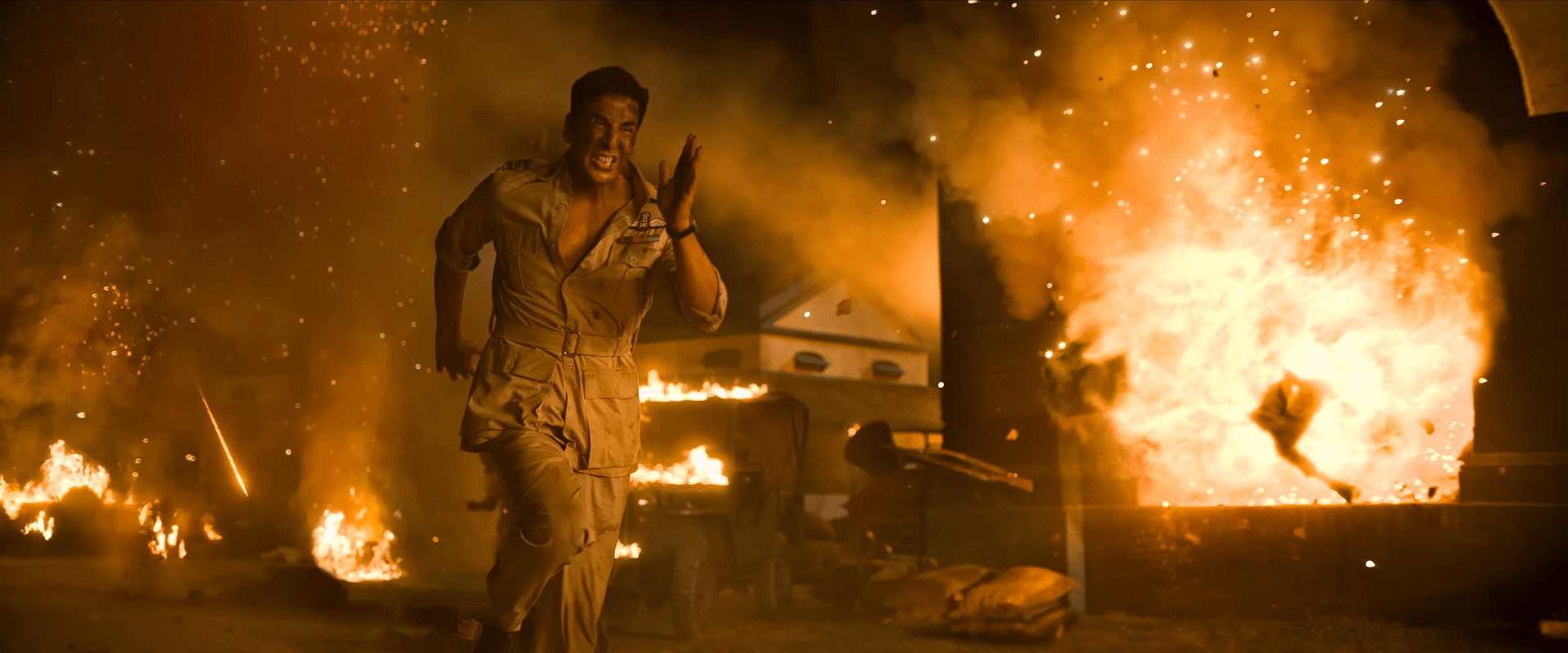
Even the VFX improves noticeably in the climax. It’s still not perfect, but it absolutely gets the job done and maintains the cinematic immersion. The explosions are surprisingly well done, adding welcome heft to the final sequences.
Visual Style: A Camera That Can’t Sit Still
One interesting thing I noticed is the camera movement. Even in simple dialogue scenes – moments where two characters are merely standing and talking – the camera keeps moving, circling, sliding, shifting. It’s almost as if the director was excitedly whispering, “Wow, wow, wow,” while operating the camera.
Is it distracting? Sometimes. Useful? Only in the climactic sequences. The earlier scenes honestly could have benefitted from a steadier approach.
A Short, Crisp Runtime That Works in the Film’s Favor
At around two hours, the film flies by. The interval comes and goes before you even register it. And by the end, when you weigh its strengths and weaknesses, the experience feels balanced and watchable.
This is ultimately a Republic Day release designed to evoke patriotism, build emotion, and deliver accessible entertainment. And if you walk in without expecting absolute perfection, your time will pass well enough. The film holds attention throughout – despite its shortcomings – and offers a climax that justifies the journey.
Rating: 3/5
Sky Force is a familiar yet engaging patriotic drama that plays safe for most of its runtime but surprises with a genuinely strong final act. Akshay Kumar delivers a compelling performance, the story remains crisp, and the emotional payoff works – even if it could have been stronger with better character development. It’s not groundbreaking cinema, but it’s a solid Republic Day watch that balances entertainment with patriotic sentiment effectively.