There are some directors whose names alone spark curiosity, expectation, and a sense of cinematic trust. For me, Anurag Kashyap has always been one of them. After all, this is the filmmaker who shaped the unforgettable universe of Gangs of Wasseypur Part One and Part Two, a world so textured and unique that even today many filmmakers try – and fail – to emulate it. So when I walked into theatres to watch his latest release Nishaanchi, I was genuinely excited. But I also carried a strange thought in my mind: What if someone else had made this film?
Because honestly, if Nishaanchi had been directed by someone whose name I didn’t know, my very first statement would have been brutally straightforward – Who is this? Who secretly watched Wasseypur on loop and tried to recreate a cheaper, watered-down version? The irony, of course, is that the man behind Nishaanchi is the very same person who made the original classic. That contradiction alone sets the tone for the unusual experience this film becomes.
The Trailer That Sparked Doubt and Excitement Together
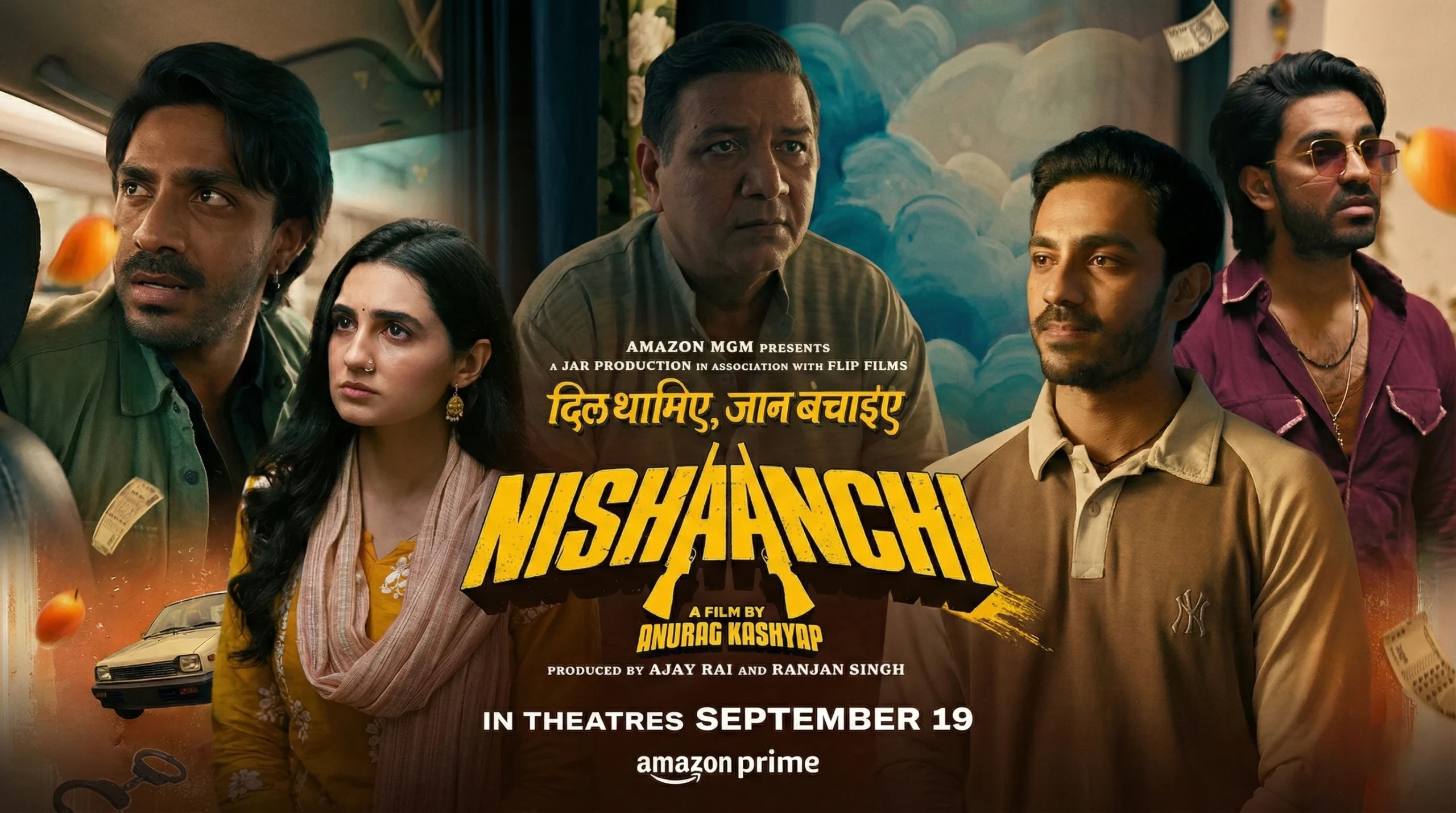
When the trailer of Nishaanchi dropped, my reaction was instantaneous and conflicted. On one hand, it felt too familiar, almost like Kashyap revisiting his most iconic territory without any disguise. On the other hand, excitement bubbled within me. I wanted to see what he would do differently this time, what new technique or theme he would explore, and whether this film would offer something fresh despite the seemingly familiar flavour.
The title itself carries an interesting weight. I may not know its literal meaning, but the rough interpretation suggests someone whose aim is sharp – an expert marksman, someone precise and accurate. But in the movie, the meaning expands. It becomes a metaphor for the accuracy of choices, the aim of one’s life, and the consequences of missing the mark by even a fraction.
And in Nishaanchi, there are many marks to hit – violence, legacy, revenge, and love – yet not all arrows land cleanly.
- The Trailer That Sparked Doubt and Excitement Together
- Violence as an Unescapable Swamp
- A Love Story Inside a World of Bloodshed
- A Non-Linear Narrative That Mirrors Kashyap’s Signature Style
- Three Hours of Over-Indulgence
- An Unannounced Part Two: Genius or KLPD?
- The Larger Question: Why Does This Film Exist?
- But There Are Bright Spots – And They Truly Shine
- Anurag Kashyap’s Grounded, Raw Filmmaking
- The Performance of Aaishvary Thackeray
- Monika Panwar’s Emotional Impact
- Authenticity in Every Frame
- Music, Comedy, and Quirks – Not Always Effective
- The Final Impression: A Good Film Living in the Shadow of Its Own Legacy
Violence as an Unescapable Swamp
One of the strongest thematic echoes in the film is the portrayal of violence. Kashyap returns to this familiar territory – the gritty underbelly, the chaotic lives of gangsters, and the cycle of revenge that pulls families into an endless swamp. The metaphor fits perfectly: violence in Nishaanchi is like a swamp where one small step, even the slightest mistake, pulls you deeper until you drown alongside your loved ones.

The film doesn’t just stop at showcasing violence; it highlights its trickle-down effect on families, especially the women caught in this destructive web. It also explores generational violence – how the sins of the father echo through the son, how anger, revenge, and crime pass from one generation to the next like a poisoned inheritance.
If you have watched Gangs of Wasseypur and paid even minimal attention, these themes will feel strikingly familiar. Because in many ways, Nishaanchi walks on the same soil that Wasseypur cultivated so brilliantly. But this time, the storytelling lens shifts slightly.
A Love Story Inside a World of Bloodshed
More than anything else, Nishaanchi finds itself anchored to a complicated love story. Or perhaps, more accurately, a blend of love and lust. What happens when a man deeply rooted in a violent world falls in love? How does desire shape decisions, escalate conflicts, and unleash tragedies?
The film uses this emotional thread to explore how even the villain of the story is not immune to tenderness – or obsession. And the consequences of that affection, genuine or twisted, lead to some of the bloodiest moments in the narrative. It’s an interesting narrative anchor, though not always as impactful as it sets out to be.
A Non-Linear Narrative That Mirrors Kashyap’s Signature Style
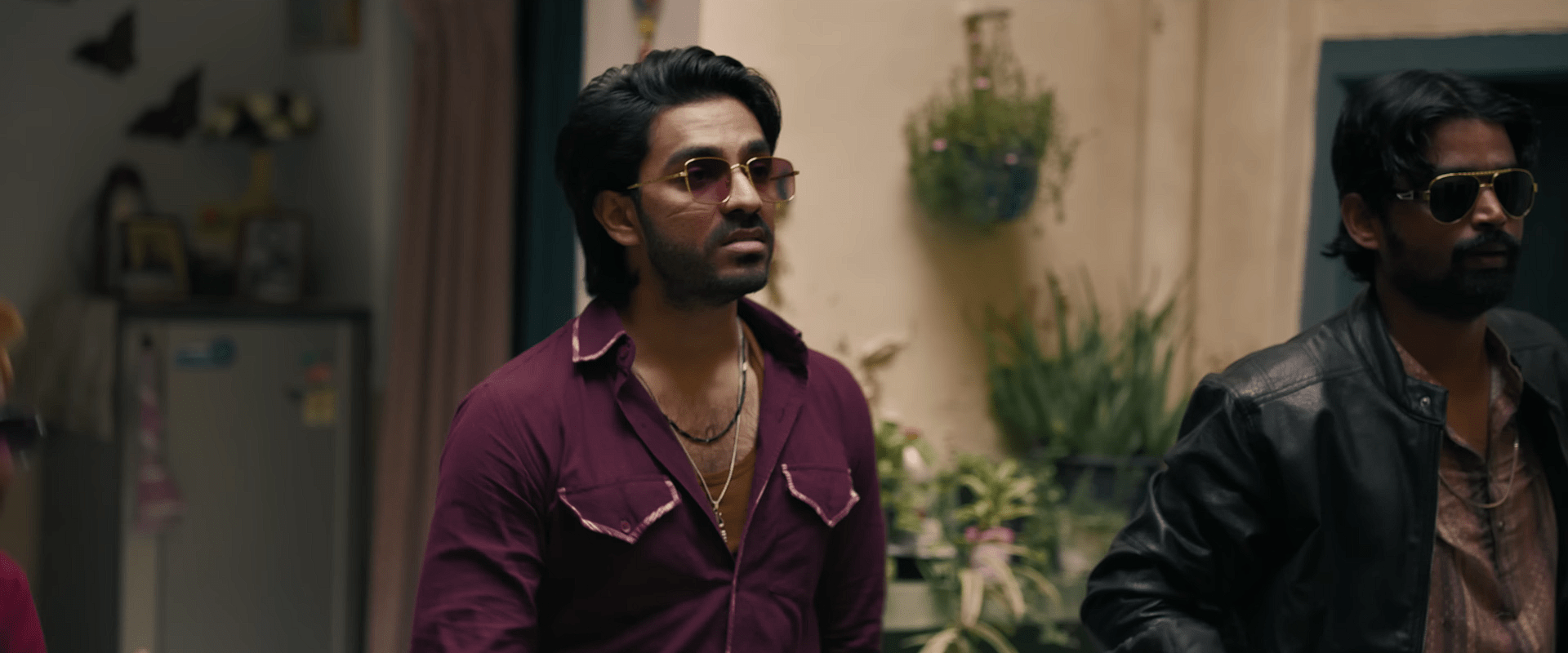
The story structure holds a strong Kashyap signature. The film opens with a sharp, raw, and chaotic bank robbery sequence – shot exactly the way you would expect from Anurag Kashyap’s cinematic grammar. From there, the narrative jumps back into the past, unraveling the events that led to that explosive beginning. We meet new characters, unpack generations of conflict, and then circle back to the present as the story prepares for its end.
But here lies the film’s biggest flaw – its runtime.
Three Hours of Over-Indulgence
Nishaanchi stretches close to three hours, and the exhaustion becomes visible. Technically, the story could have fit within that time, but the storytelling decisions push it far beyond necessity. Scenes linger too long, setups stretch endlessly, and emotional beats are repeated when they didn’t need repetition.
The father’s backstory is the biggest example. It begins, grows, expands, and continues right up till the interval, taking up more narrative space than it deserves. This indulgence weighs the film down significantly.
But the real shock comes later – the film ends incomplete.
An Unannounced Part Two: Genius or KLPD?
Yes, just like Gangs of Wasseypur, Nishaanchi is also split into two parts. But unlike Wasseypur, this is not disclosed anywhere – not in the title, not in the promotions. So when I reached the 2.5-hour mark and the film was still setting up plotlines instead of resolving them, I could sense something strange.
In the last five minutes, the picture becomes clear. The story is heading toward a cycle-of-violence metaphor, something symbolic and a little anticlimactic. At first, I thought – maybe this is a genius way of showing how you break patterns. But then, reality hit. It wasn’t a conclusion; it was simply the interval of a larger narrative. The ending sits somewhere between clever and KLPD.
And the déjà vu becomes even stronger because Kashyap already attempted such a cyclical structure in Gangs of Wasseypur.
The Larger Question: Why Does This Film Exist?
This brings me to my second biggest complaint – Why did this film need to be made? There are no rules stopping a director from revisiting a genre or even repeating a theme. Creative freedom is non-negotiable. But when you return to a world you already mastered, the new creation must justify itself.
Nishaanchi doesn’t fully do that.
Too many moments, ideas, character beats, and tonal choices feel like replicas of Wasseypur. And because Wasseypur is not just a good film but a masterpiece, it becomes nearly impossible for Nishaanchi to exist independently. It constantly invites comparison, and unfortunately, it loses every time.
But There Are Bright Spots – And They Truly Shine
With all these criticisms, it might appear that Nishaanchi is a disappointing film. But that’s not the case. There are genuinely strong elements that keep the movie engaging.
Anurag Kashyap’s Grounded, Raw Filmmaking
The way Kashyap immerses you into the world of rough gangster-ism is something only he can do. The grounded locations, the naturalistic behaviour, the lived-in performances, the raw violence – all feel authentic and gripping.
The Performance of Aaishvary Thackeray
This is, without doubt, the film’s biggest triumph. Aaishvary Thackeray reportedly makes his debut here – and what a surprising, shockingly confident performance it is. He plays two twin brothers, and at least 50–70% of the audience will not even realize that both roles are played by the same person.
The technical execution of single-shot interactions, overlapping dialogues, and mirrored body language is seamless. But beyond technical wizardry, the emotional differentiation he brings to both characters is remarkable.
Monika Panwar’s Emotional Impact
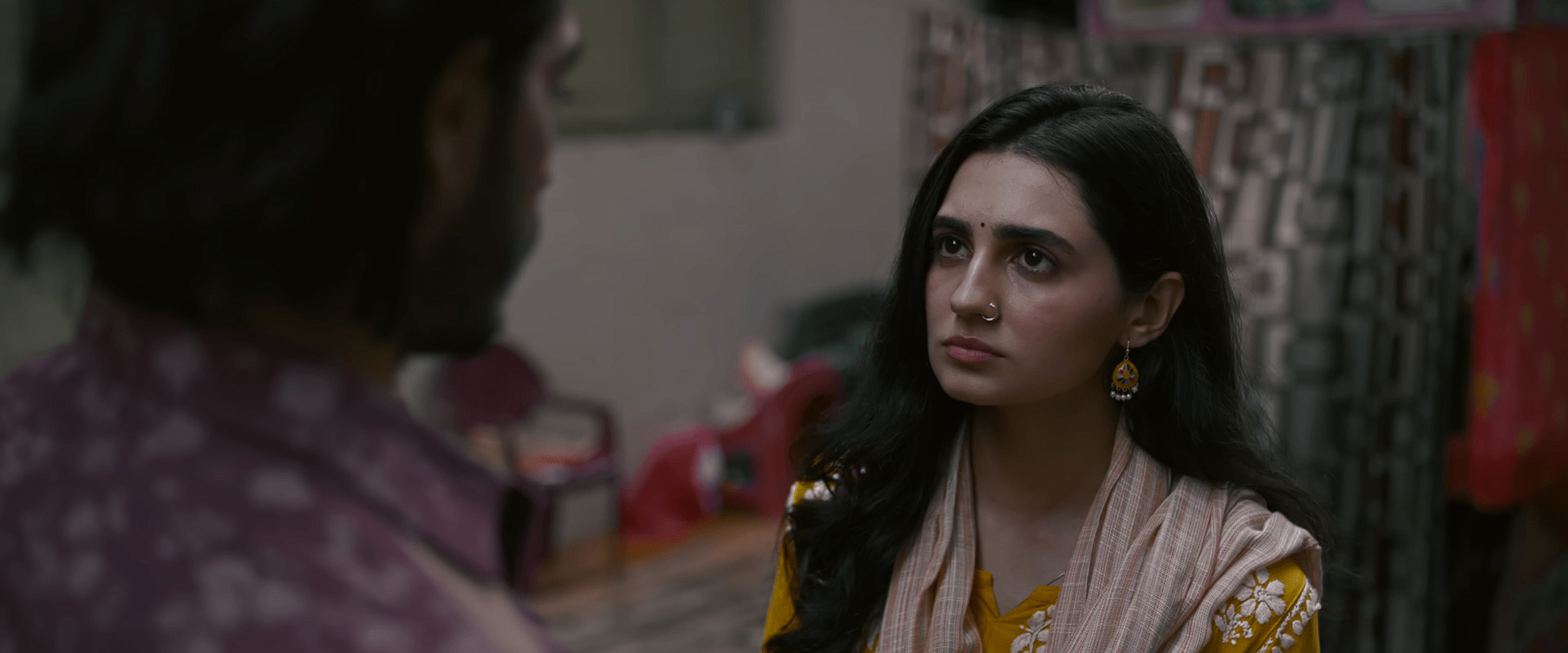
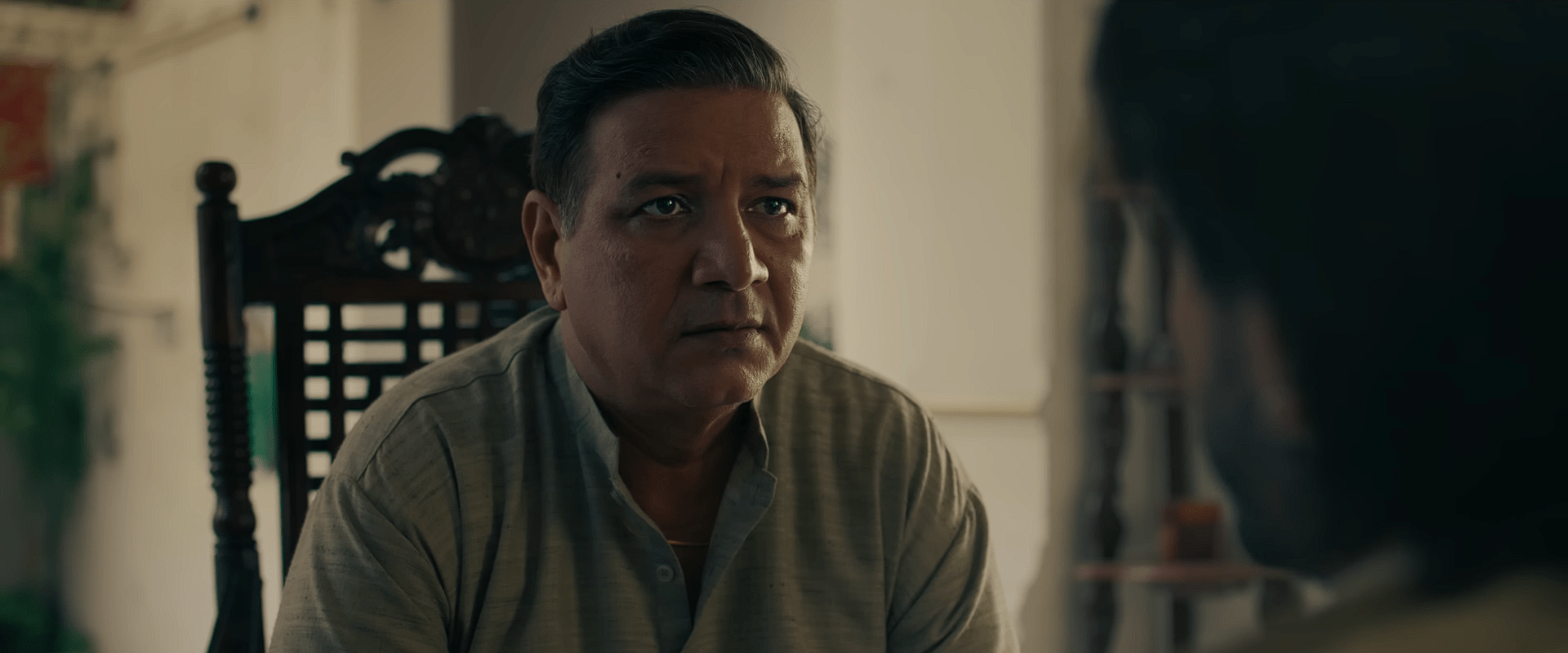
Another standout is the mother character, played by Monika Panwar. She grounds the entire narrative with emotional depth. The pain of a husband leaving, the ache of a son stepping into violence – her presence adds soul to a film overflowing with bloodshed.
Authenticity in Every Frame
Whether it’s the roads, the hair colour, the dialects, or the spontaneous humour, everything feels real. At times, the film feels less like a movie and more like documentary-style storytelling.
Music, Comedy, and Quirks – Not Always Effective
The songs follow Kashyap’s unconventional taste, reminiscent of Wasseypur, but here they do not feel like a perfect fit. Some tracks lean too quirky or off-beat, distancing the emotional tone instead of enhancing it.
The dark comedy is another mixed bag. Sometimes it works. Sometimes it feels forced. Overall, the humour does not become a strong narrative tool.

The Final Impression: A Good Film Living in the Shadow of Its Own Legacy
If I take Nishaanchi as a standalone movie – without thinking of Wasseypur – it becomes a decent, time-pass drama. But the problem is that it refuses to exist in a vacuum. Every frame, every theme, every long conversational stretch reminds you of a masterpiece that already did all this, but better.
This is probably the first time I’ve reviewed a film where the director’s own previous work makes it difficult to appreciate the new one. When a filmmaker competes with himself, the comparison becomes brutal.
Still, despite the heavy déjà vu and the sluggish runtime, Nishaanchi is not a “bad bad” movie. It simply needed to justify its existence with more originality – and a lot more restraint.
Rating: 3/5
A technically strong but thematically repetitive film that entertains in parts but lives too deeply in the shadow of its own legendary predecessor.