When I walked into Mahasenha, I had no particular expectations beyond an interest in how effectively a film could use atmosphere to shape its narrative. From the opening frame, the film presents a clear sense of its tone and thematic direction. The title carries a certain weight, and that mood continues through the film’s storytelling, visuals, and emotional beats. Directed by Dinesh Kalaiselvan, the film situates its characters in a harsh, rural environment that influences both their internal conflicts and the external pressures around them. Featuring performances by Vimal, Srushti Dange, and other familiar actors, the film depicts a village navigating the intersection of belief, trauma, and everyday struggle.

A Setting That Breathes Like a Character
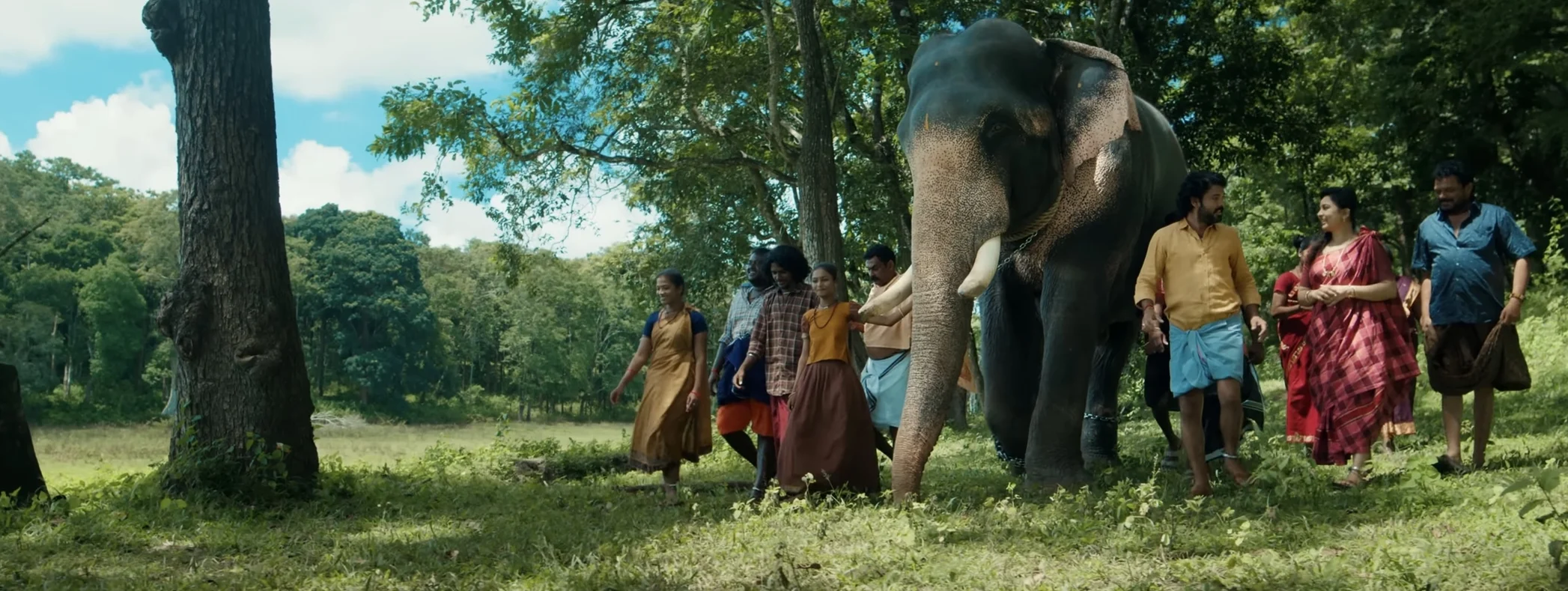
The film is set in Kurangani, a village located at the foothills of a mountain range near Bodinayakkanur in the Theni district. The setting recalls certain visual elements seen in Kumki, particularly in how the natural landscape functions as an integral part of the narrative. The bamboo huts, forest paths, shifting shadows along the mountainside, and dense vegetation establish a terrain that shapes the film’s tone and environment.
In this context, the world-building serves a narrative purpose rather than acting as simple backdrop. The landscape affects the characters’ behaviours, anxieties, and beliefs, and the presence of an elephant within the story aligns with a recurring motif in Tamil cinema involving the relationship between humans and the natural world.
My Engagement with the Myth and the Community
At the heart of the film is the village’s unwavering belief in Yaazheeswaran, an invisible guardian spirit. According to the people of Kurangani, the deity becomes visible during Chithirai Pournami for one night, granting darshan to those who have kept their hearts clean. I found this cultural layer particularly captivating because it adds a mystic tension that never becomes too fantastical but always influences choices, fears, and conflicts. The entire village prepares for the annual festival with deep devotion, and I could feel the quiet anticipation building through the film’s progression.

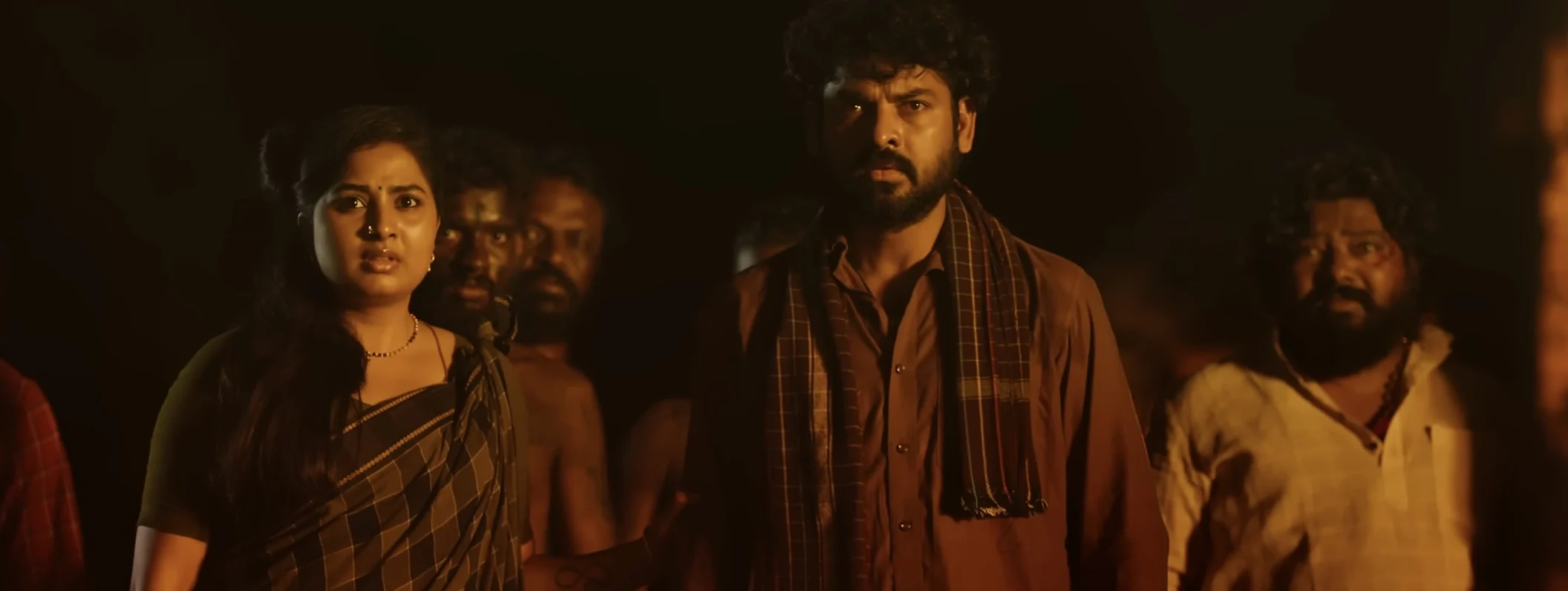
Against this spiritual backdrop, the film unfolds the emotionally fraught relationship between Senguttuvan played by Vimal and Ganga played by Mahima Gupta, whose bond in childhood was fractured by a tragedy that neither has recovered from. Their shared history – especially the moment when Ganga’s father was killed by Senguttuvan’s father – acts like a scar that refuses to fade. While watching, I felt they were both trapped by the past, unable to step out of its shadow. Ganga’s desire for revenge and Senguttuvan’s buried anger intertwine with the film’s larger conflicts without ever feeling detached from the world around them.
The Mysterious Idol and the Rising Tension
Another thread that kept me hooked is the presence of a sacred idol, quietly positioned as the centrepiece of various motives. What fascinated me was not the heist angle itself, but the ambiguity surrounding the idol. Nobody truly knows what the idol is made of. Some villagers assume it is gold, others whisper about rare gemstones. I watched several characters attempt to lift it – first with bare hands, then with ropes, then with different strategies – yet all of them fail, adding to its spiritual aura. These attempts are simple scenes, but they heighten the tension because the idol’s nature becomes a symbolic question: is it a treasure, a divine relic, or a mixture of both?
All these strands – revenge, the gang eyeing the idol, the officer manipulating people and events, and the villagers’ faith in Yaazheeswaran – begin tightening around each other as the festival approaches. That convergence creates a momentum that the first half occasionally struggles to achieve, but by the time this set-up completes, the film has already drawn me into its layered structure.
Performances That Bring the Terrain to Life
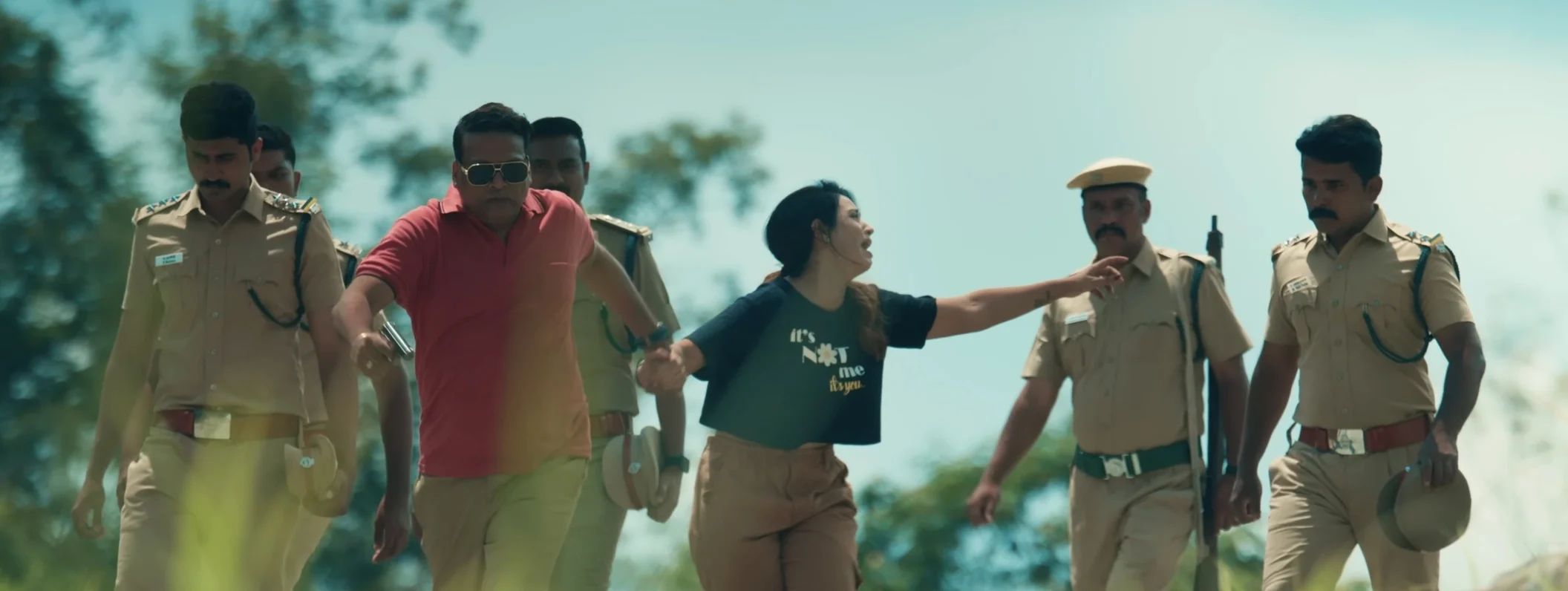
John Vijay’s character is one of the most striking in the film. His screen presence carries an intimidating energy, built on arrogance, sly intelligence, and a kind of dominance that naturally unsettles the people around him. Although the background score occasionally overshadows his dialogues, the sharpness of his body language ensures his performance remains intact. I found him commanding even when the audio mix works against him.
Another delightful surprise is Yogi Babu’s short yet impactful appearance. With only a day’s worth of runtime, he extracts meaningful humour and sharp opinions without letting his scenes feel like standalone comic relief. His energy injects moments of respite amidst the intensity of the forest terrain.

What moved me most emotionally is the elephant’s role, particularly the tragic moment when it accidentally strikes and kills Senguttuvan’s daughter. This sequence deepens the film’s thematic core about coexistence between humans and the natural world. It never feels exploitative; instead, it becomes a moment of reckoning for Senguttuvan, and Vimal’s performance here is quietly powerful.
Cinematography, Rhythm, and the Visual Highs
If I had to choose what impressed me the most in Mahasenha, it would be the visual language. The cinematography is immersive in every sense – capturing not just the beauty of the hills, but also their harsh personality. Mist settles on the terrain like a silent spectator, the forest floors carry both danger and mystery, and the village architecture blends seamlessly into the earth.
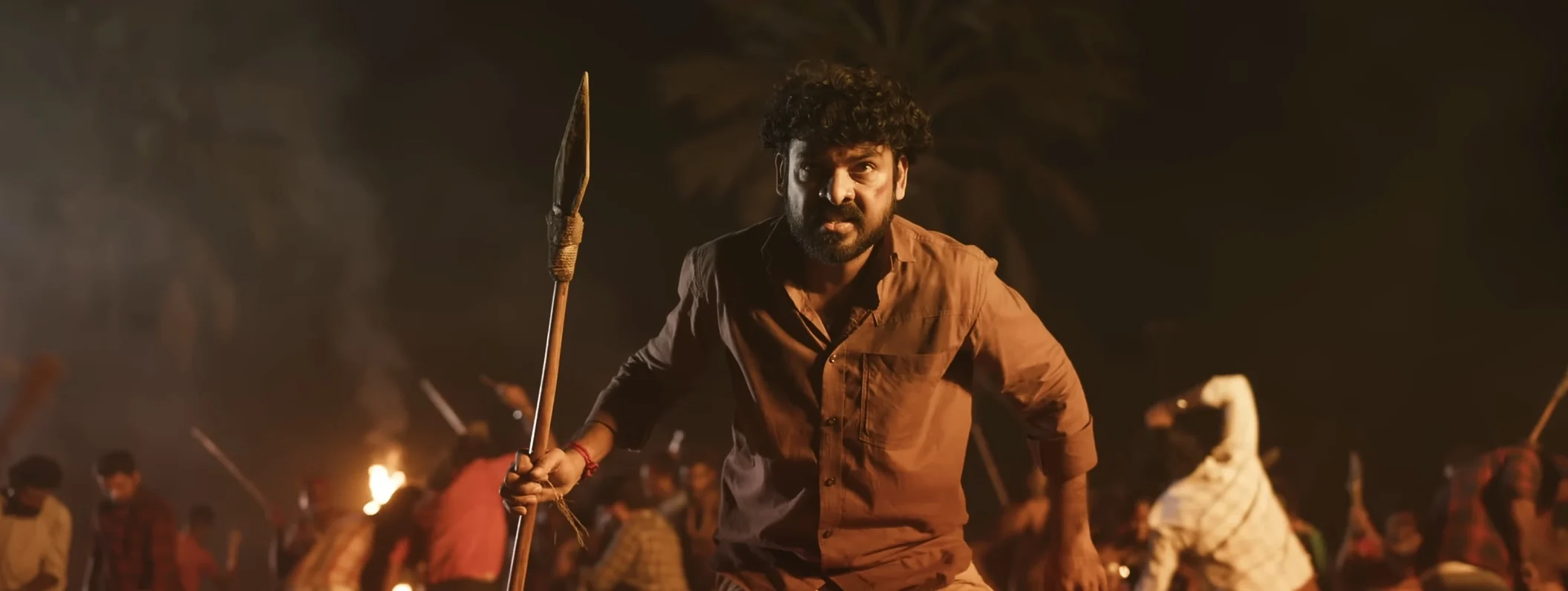
The background score works effectively in many emotional stretches, though it becomes too loud during certain confrontations involving John Vijay’s character. Still, aside from these intermittent issues, the music generally aligns well with the film’s rhythm.
I cannot leave out the songs. The montage between Vimal and Srushti Dange as Bommi has a pleasant warmth, woven naturally into the environment. But the clear highlight is the festival song in the pre-climax. The choreography, colours, percussive beats, and physical intensity of the ritualistic performance reminded me of the spine-tingling energy seen in films like Kantara. The last 20 minutes, driven heavily by this festival sequence, offer one of the most exhilarating portions of the film.
Where the Film Falters

Despite its atmospheric strength, Mahasenha does fall short in some areas. The first half moves slowly, and I felt it lacked the emotional sharpness that the story inherently contained. Ganga’s revenge arc, rich with potential, needed more psychological depth. The gang’s motives, the idol’s significance, and the supernatural elements surrounding Mahasenha could have been more intricately explored.
Because these strands feel underdeveloped, the impact of the story doesn’t always reach its fullest potential. However, the second half recovers a good portion of this lost ground, bringing together the conflicts and themes with stronger momentum.
Final Thoughts
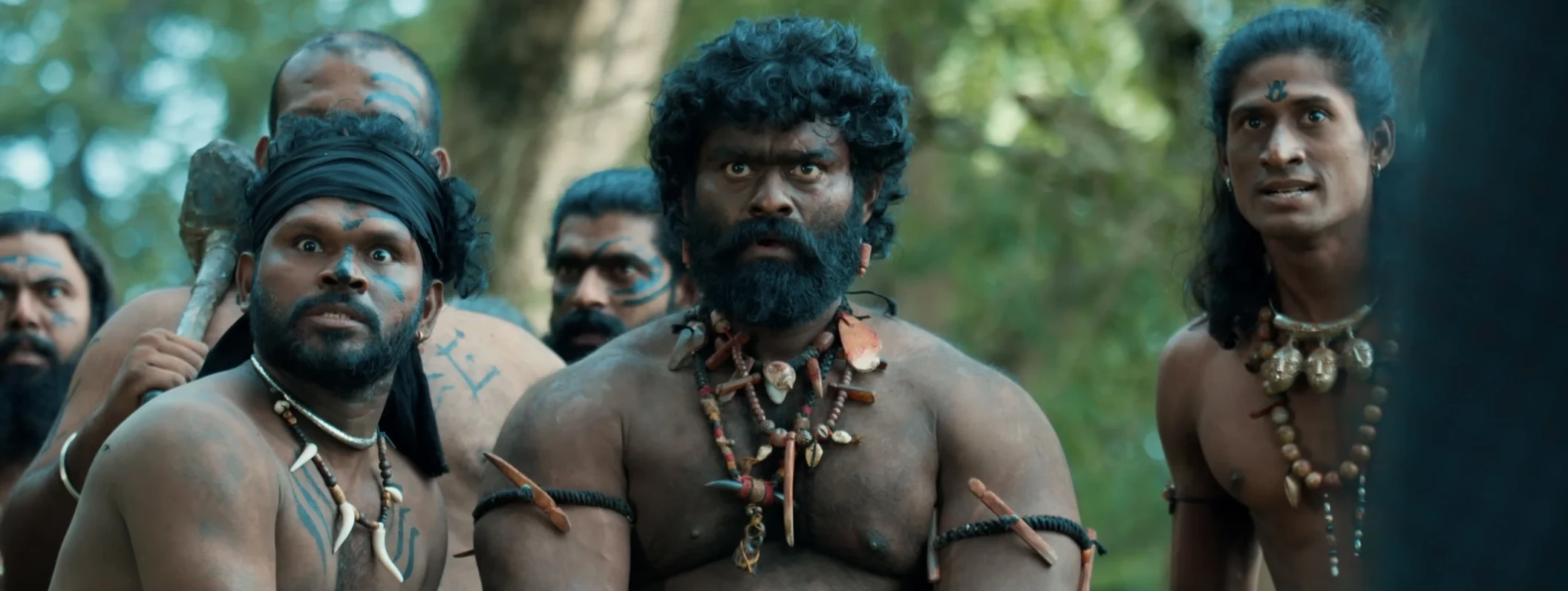
Ultimately, Mahasenha stands as a film crafted with sincerity. It has heart, atmosphere, and a rooted identity that makes it different from typical rural narratives. The spiritual undertones enrich the viewing experience, and the film offers enough emotional beats, conflicts, and visual highs to keep me invested.
If the screenplay had been more consistently tight, this could have comfortably joined the ranks of culturally resonant films that explore the synergy between man, nature, and belief. Even with its flaws, it remains a worthwhile experience for audiences who enjoy forest-set stories, community rituals, emotional journeys, and tales shaped by local belief systems.
Rating: 3/5.