There are certain films that announce their intention clearly even before the first scene unfolds, and Maanbumigu Parai is one such work. The very first thing that struck me while watching this film was the sincerity behind its purpose. From the title itself, the director’s aim becomes apparent – this is not merely a story-driven film but an attempt to reclaim, reframe, and restore dignity to something that has long been misunderstood, marginalised, and reduced to symbolism without substance. I felt, throughout the viewing, that the film was born not out of commercial urgency but out of cultural concern.
At its core, Maanbumigu Parai wants to remind us that the Parai is not just an instrument used for rituals or public announcements. It is a living cultural identity, a disciplined art form, and a rhythmic language that once held deep meaning in society. Watching the film, I sensed the director’s persistent effort to shift perception – to move the Parai away from its stereotyped framing and reposition it as heritage rather than background noise. This ambition forms the emotional and thematic backbone of the film, and even when the execution falters, the intent remains firm and visible.
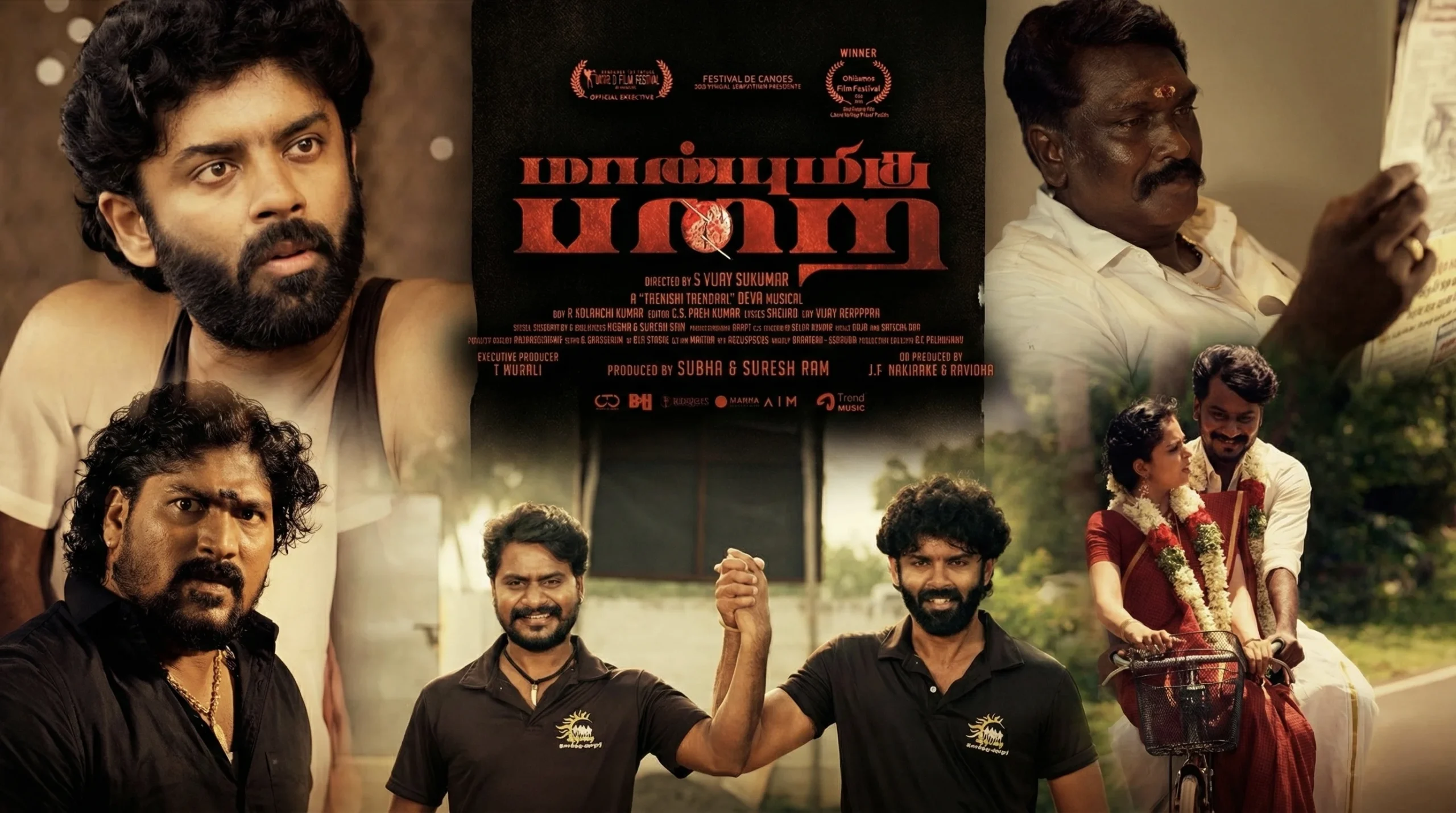
Leo Sivakumar’s Earnest Lead Performance
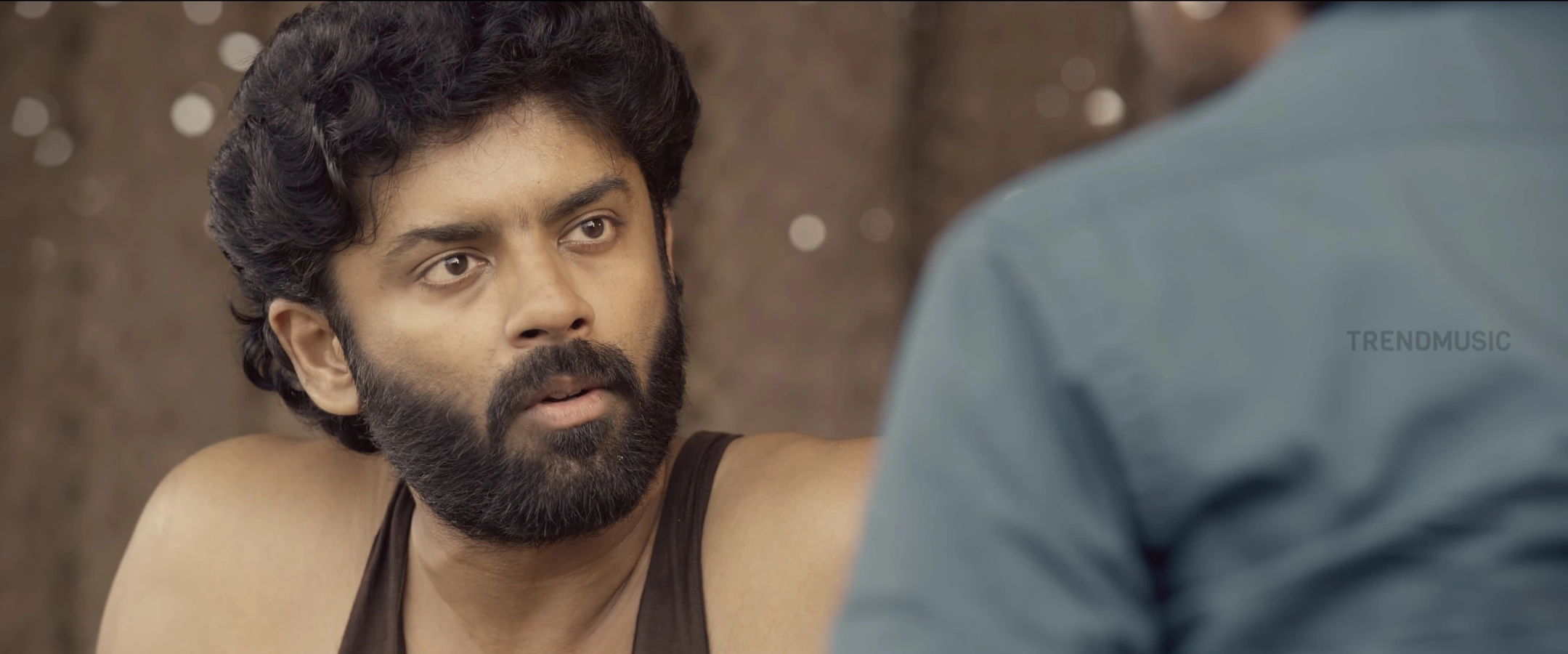
Leo Sivakumar shoulders the film with a combination of playful charm and emotional innocence that suits the material. As a relatively new actor, he does not always appear polished, but what he brings instead is sincerity. His lighter moments – especially the teasing scenes, including the one involving interest and principal – land naturally and provide breathing space within a heavy thematic narrative. These moments humanise his character and prevent the film from becoming overly preachy.
What worked for me is Leo’s willingness to embrace vulnerability. His breakdown scenes, his visible frustration, and his helplessness feel grounded rather than performative. There is an honesty in his expressions that compensates for technical roughness. I could see an actor still finding his rhythm, yet fully committed to the soul of the story. That commitment is crucial in a film like this, where emotional believability matters more than surface-level charisma.
- Leo Sivakumar’s Earnest Lead Performance
- Friendship as the Emotional Core
- A Powerful Concept Rooted in Social Reality
- Balancing Message with Mainstream Storytelling
- Emotional Weight and Human Struggles
- Parai Performances as Living Cinema
- Music, Nostalgia, and Familiar Notes
- Technical Limitations and Honest Effort
- Conflict, Resistance, and Cultural Pushback
- A Clean, Purpose-Driven Film in a Noisy Landscape
- A Risk Taken with Passion
- Final Thoughts: A Flawed but Worthwhile Effort
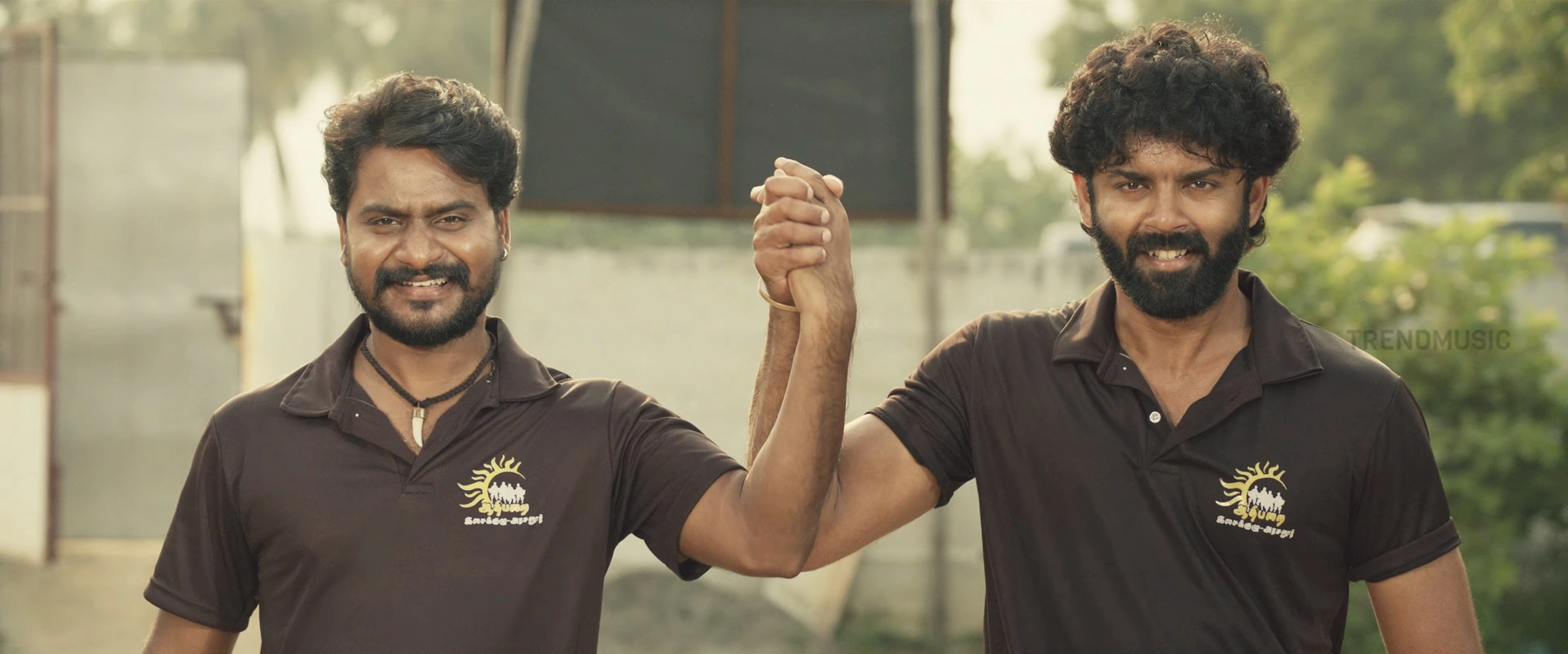
Friendship as the Emotional Core
Aaryan’s supporting role as the loyal friend fits comfortably into the narrative’s emotional fabric. The bond between the two characters becomes one of the film’s strongest pillars. Their friendship adds warmth and emotional continuity, ensuring that the story never feels isolated within a single character’s struggle. I found their camaraderie believable, understated, and emotionally effective.
This relationship becomes the emotional heart of the journey, grounding the larger cultural conflict in personal stakes. Even when the screenplay wavers or loses momentum, the honesty of this bond keeps the narrative from collapsing under its own weight.
A Powerful Concept Rooted in Social Reality
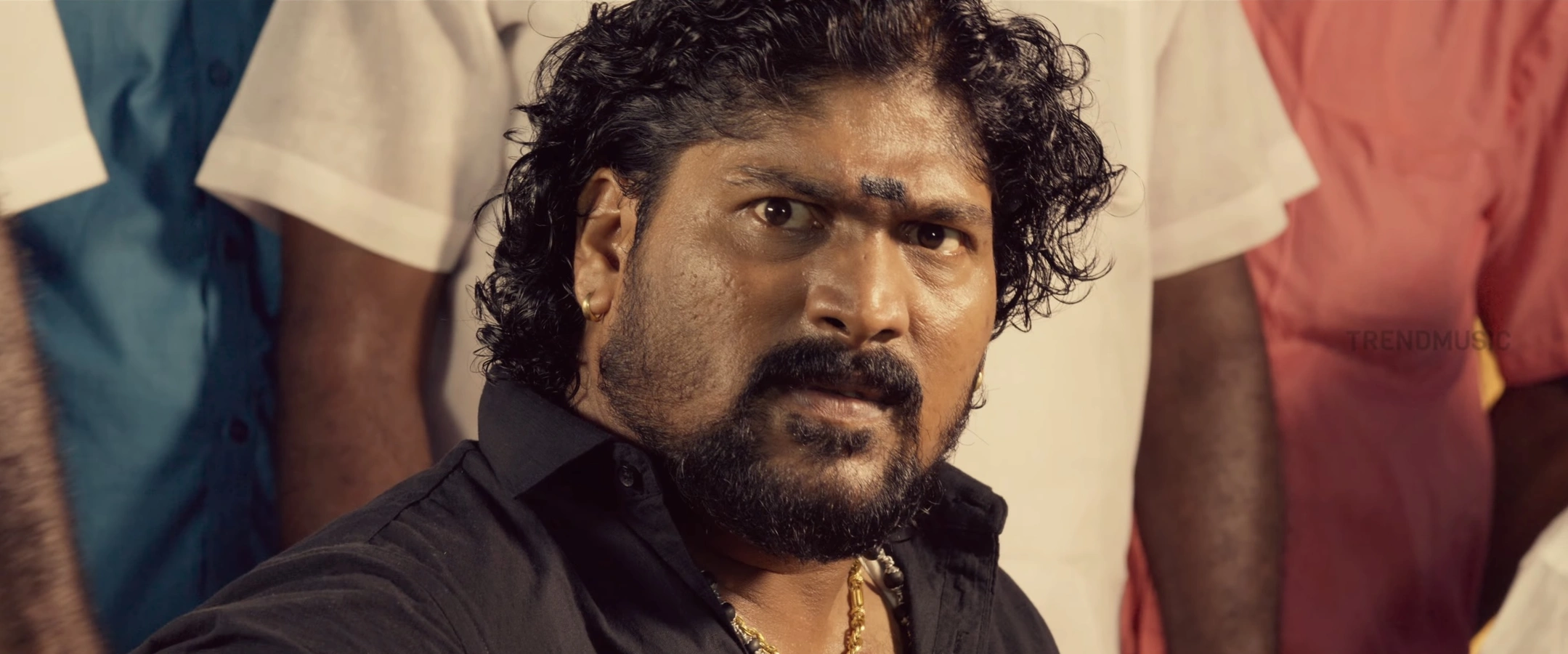
Conceptually, Maanbumigu Parai is strong and relevant. The film does not merely celebrate Parai music; it confronts the historical and social treatment of Parai musicians. It highlights how they were pushed to the margins, how their identity was distorted over time, and how their artistry was boxed into narrow definitions imposed by society.
What I appreciated is how the film also acknowledges the ongoing revival. It shows Parai reclaiming space in major functions, positive celebrations, and meaningful cultural events. This shift in representation becomes one of the film’s most important reflections. As I watched, I found myself thinking about how deeply certain art forms are misunderstood, and how easily society strips dignity from traditions it does not take the time to understand.
Balancing Message with Mainstream Storytelling
The film attempts to merge its cultural message with a more accessible, commercial narrative structure. At times, this balance works. At other times, the screenplay struggles to maintain consistency. The first half flows reasonably well, but the second half begins to wander before eventually finding its way to a conclusion.
These narrative inconsistencies do affect the emotional impact. Certain conflicts feel rushed, and some sequences could have benefitted from tighter writing and clearer staging. Still, even in these uneven moments, the sincerity of the filmmaking remains evident. I never felt that the film lost sight of what it wanted to say – only that it occasionally struggled with how to say it.
Emotional Weight and Human Struggles
Where Maanbumigu Parai truly finds its strength is in its emotional thread. The portrayal of personal setbacks, anger, pain, and injustice is handled with genuine effort. Leo’s emotional arc – his sense of being cornered, his moments of collapse, and his eventual determination – feels authentic rather than manufactured.
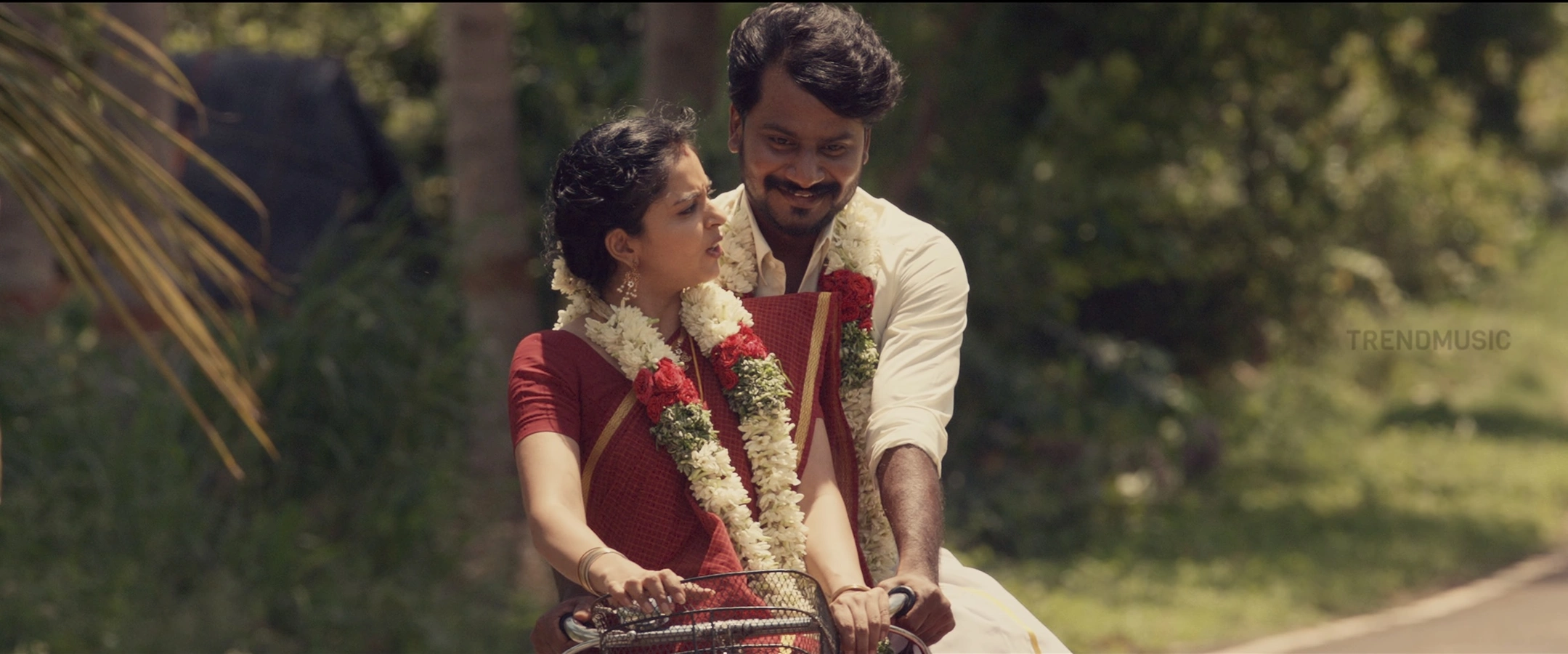
The female lead plays her role within a limited scope but contributes effectively to the film’s emotional moments. Their relationship functions as a quiet support system, softening the heavier themes without diluting them. These domestic and relational scenes add warmth and prevent the narrative from becoming monotone or overly sombre.
Parai Performances as Living Cinema
The depiction of Parai performances stands out as one of the film’s most immersive elements. The authenticity of these sequences – the rhythm, the movement, the coordination, and the raw energy – pulls you in completely. These scenes feel alive, reminding the audience that Parai is not just something you hear; it is something you experience.
I could sense the pride of the performers, the discipline behind the practice, and the deep-rooted cultural history the film seeks to honour. The choreography of these segments feels passionate and respectful, as though every beat was presented with intention. These moments are where the film transcends narrative limitations and speaks directly through rhythm and motion.
Music, Nostalgia, and Familiar Notes
The music plays a supportive role in maintaining the folk spirit of the film. There are moments where I clearly felt the familiar flavour associated with Deva, and other moments where I found myself questioning whether the repetition dulled the impact. While the soundtrack does not always surprise, it aligns with the film’s thematic needs.
Deva’s brief appearances add a touch of nostalgic charm, reminding viewers of an earlier era of musical storytelling. Though not flawless, the music does enough to support the narrative without overpowering it.
Technical Limitations and Honest Effort
On the technical front, the film shows its limitations. The cinematography and editing could have been sharper, especially in the second half. Some scenes appear under-lit, and certain transitions disrupt narrative flow. These shortcomings are noticeable, but they never feel careless.
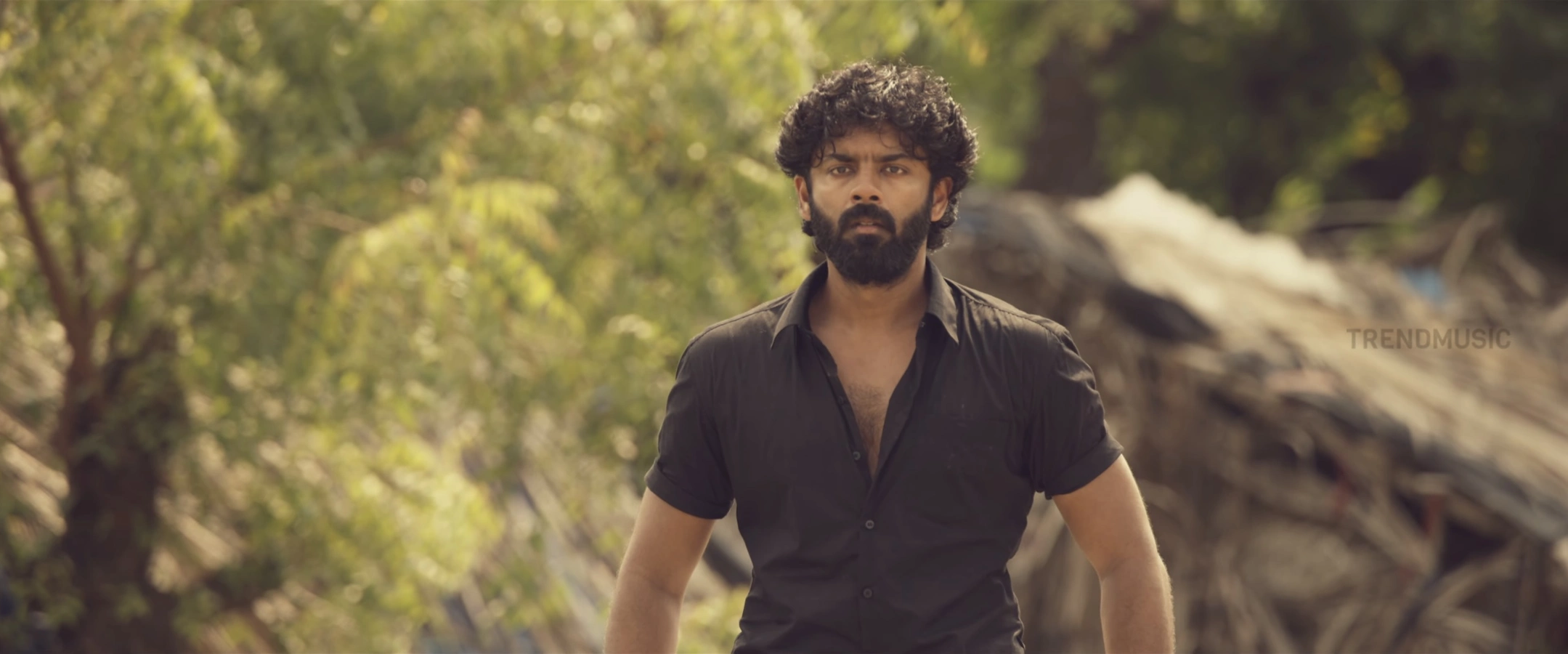
Considering the scale of production and the size of the team, I could clearly see the effort behind every frame. This is a small film that pushes itself within its constraints, and that honesty deserves recognition even when the results are uneven.
Conflict, Resistance, and Cultural Pushback
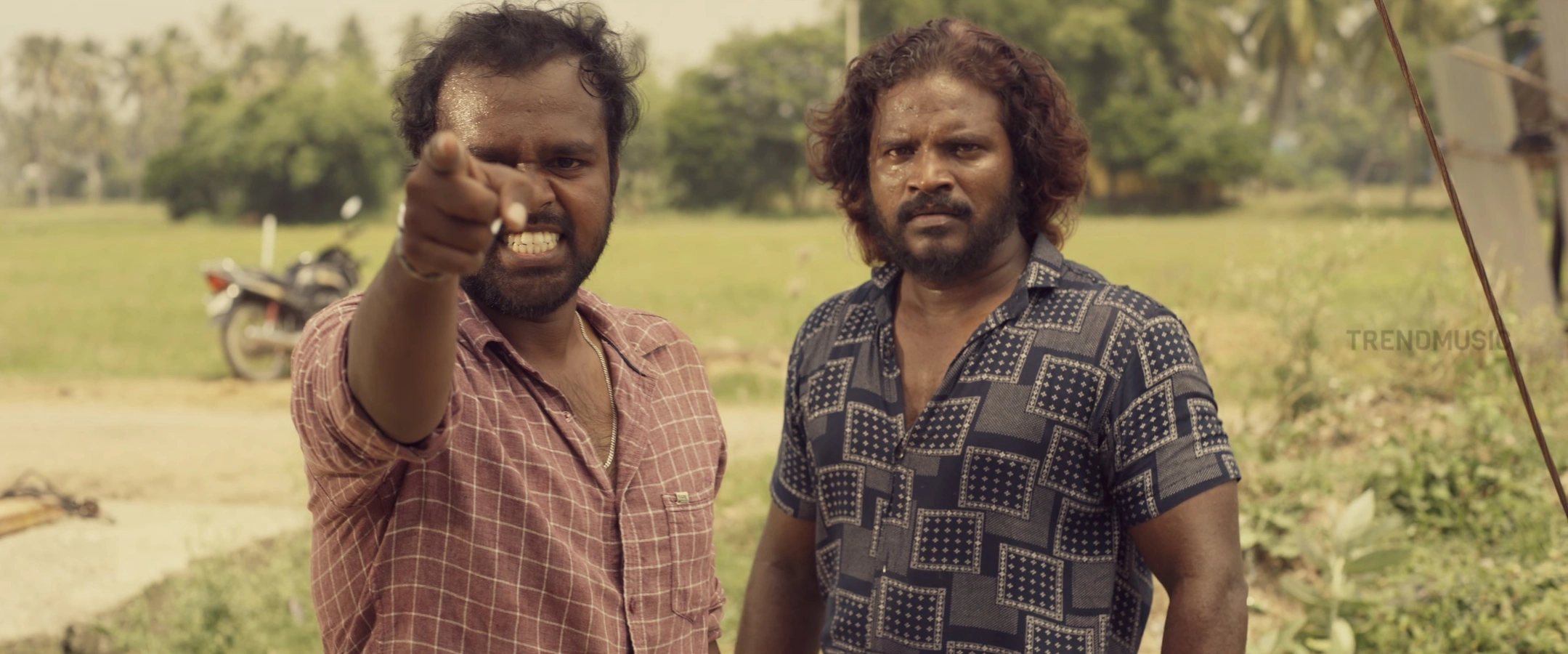
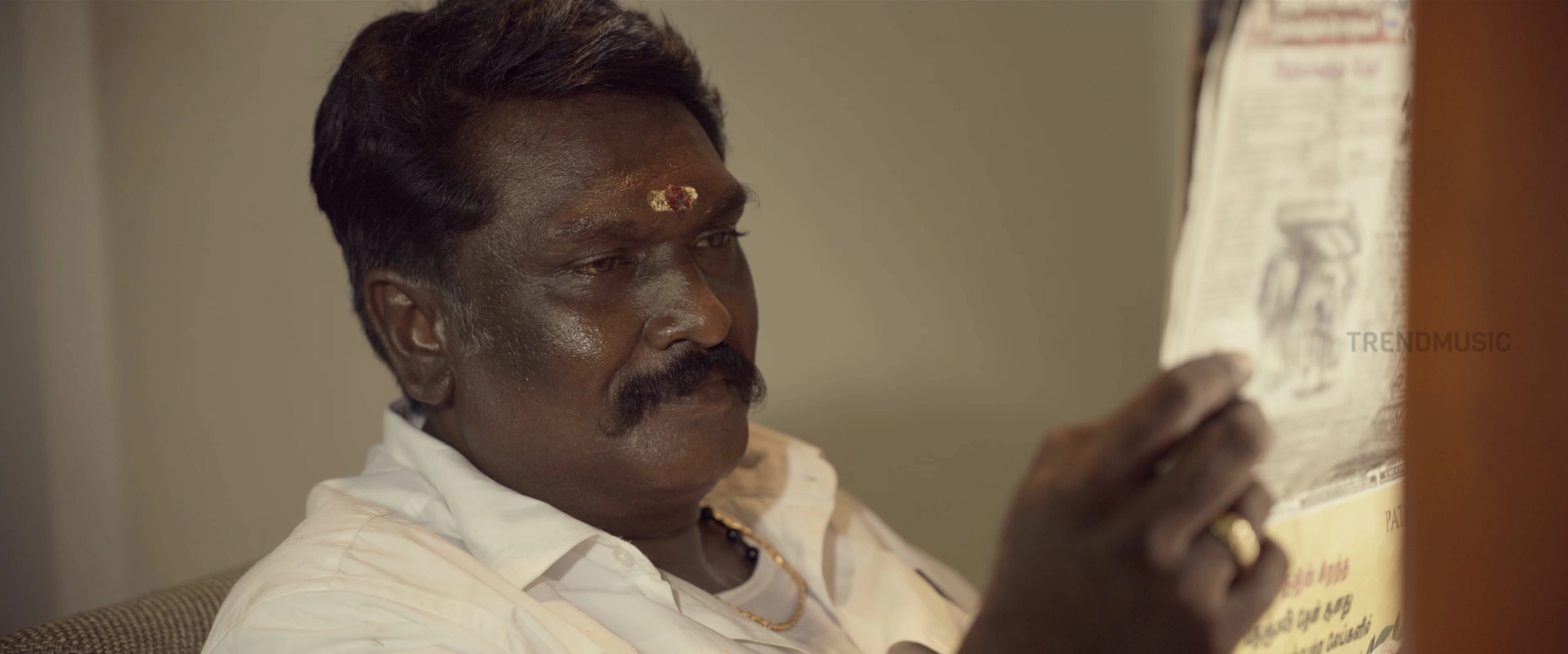
The conflicts depicted in the film reflect real societal resistance faced by those who attempt to challenge long-held stereotypes. The criticism from traditional groups, the social pushback, and the pressure to conform add another layer of depth to the narrative.
These scenes, though imperfectly executed at times, highlight an uncomfortable truth: society often resists change even when that change seeks to elevate culture rather than dismantle it. Art, as the film suggests, is frequently trapped inside boundaries imposed by fear and misunderstanding.
A Clean, Purpose-Driven Film in a Noisy Landscape
One aspect I genuinely appreciated is the film’s refusal to rely on cheap cinematic devices. It does not promote intoxication, glorify lust, encourage stalking, or sensationalise negativity. Instead, it chooses to focus on celebrating art and urging society to protect it.
In an era where shock value often replaces substance, Maanbumigu Parai takes a cleaner, more meaningful path. That decision alone sets it apart and makes it worthy of appreciation.
A Risk Taken with Passion
Watching this film reminded me of other small, passion-driven projects where belief mattered more than budget. Films like these are financial risks, especially when they introduce new actors and unconventional subjects. There is no guaranteed return, yet such films exist because someone chose courage over convenience.
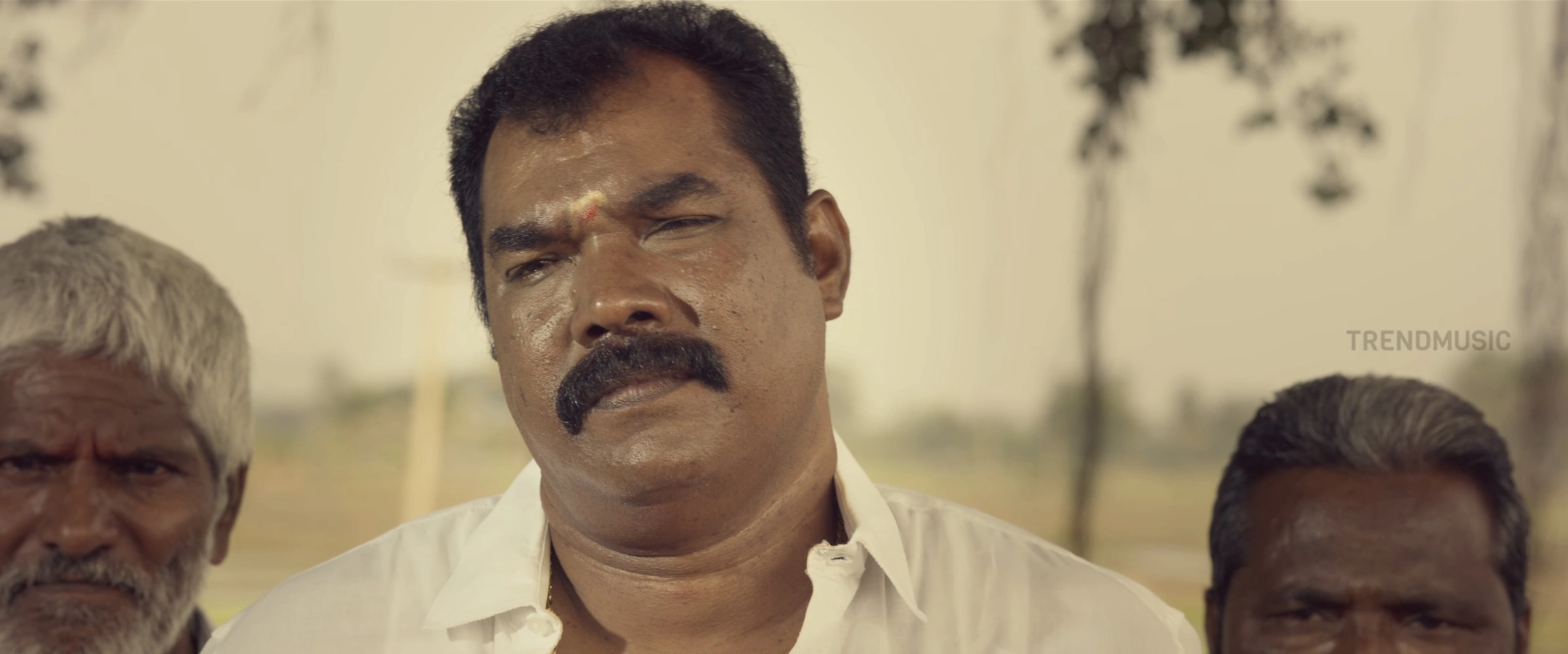
That courage adds intrinsic value to Maanbumigu Parai. Even with its flaws, it stands as proof that cinema can still be used as a medium for cultural restoration rather than mere distraction.
Final Thoughts: A Flawed but Worthwhile Effort
Yes, the film could have benefited from sharper writing, tighter storytelling, and stronger technical polish. But its heart is firmly in the right place. It seeks to honour an art form that deserves respect. It aims to restore dignity that was unjustly stripped away. And it tells a story that uplifts rather than degrades.
By the time the film concluded, I felt that Maanbumigu Parai is a decent and worthwhile attempt. It may not be perfect, but it is sincere, respectful, and meaningful. For viewers who value purpose-driven cinema and cultural reflection, this film offers something genuine.
Rating: 3/5
A sincere celebration of art and identity, imperfect in execution but honest in intent.