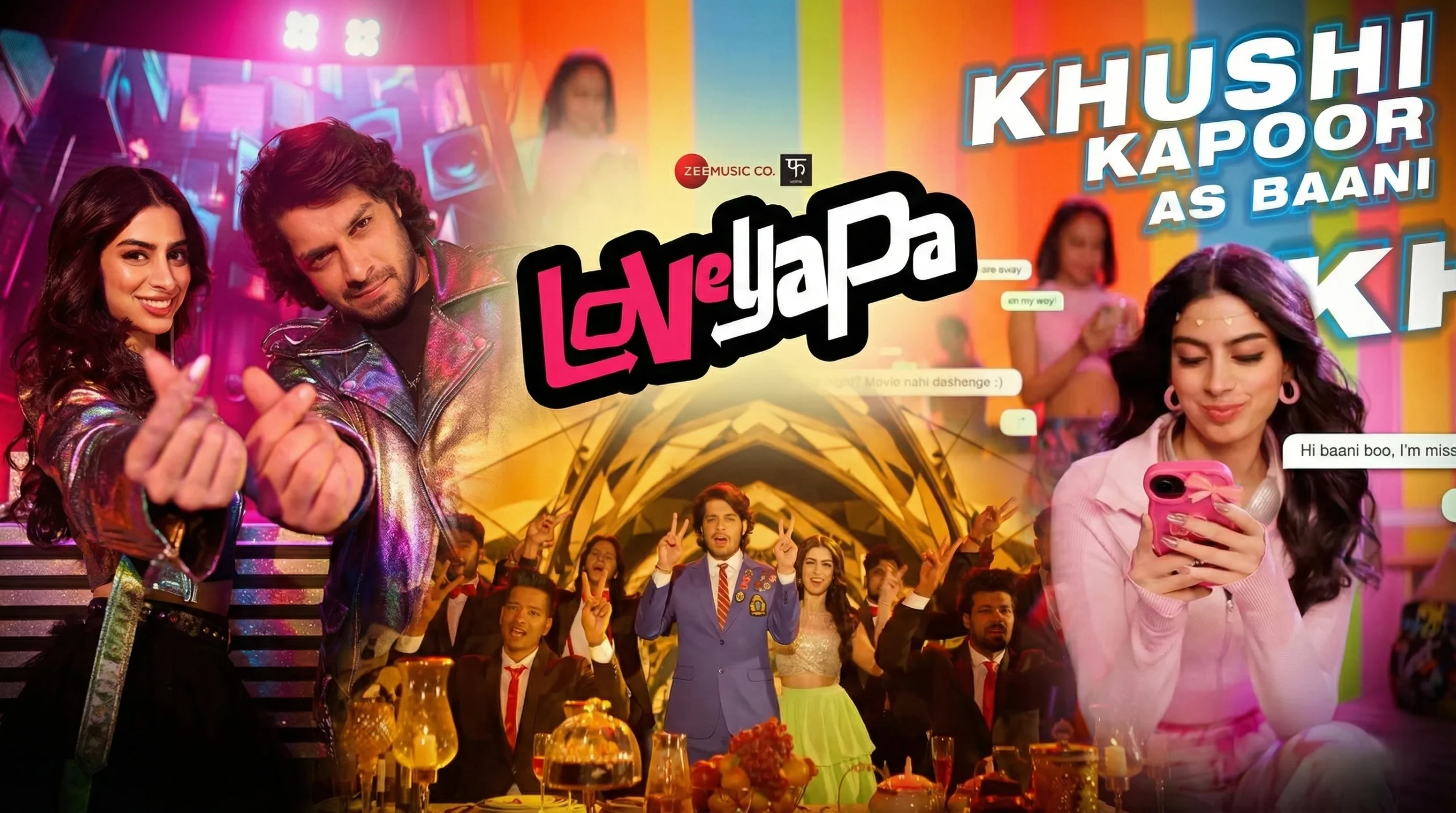
When I walked into the theatre to watch Loveyapa, I honestly expected only one thing: that infamous promotional song – L O V E Yaapa, Love Yaapa Yaapa – to haunt me again. After all, during the film’s marketing phase, that track was everywhere. And every time the hero attempted those painfully awkward dance steps, social media didn’t let it go unnoticed. So yes, I carried all that baggage with me, and I was fully prepared to cringe.
But here is the twist. Before I get into my actual opinion of the film, let me make something clear: Loveyapa may have been mocked during promotions, but its premise deserves to be heard before anyone writes it off.
A Film Wrapped in Nepotism Conversations Before It Even Released
In today’s Bollywood ecosystem, the word “nepotism” hovers like an uninvited guest at most conversations, especially when the cast includes star kids. And Loveyapa checks that box twice.
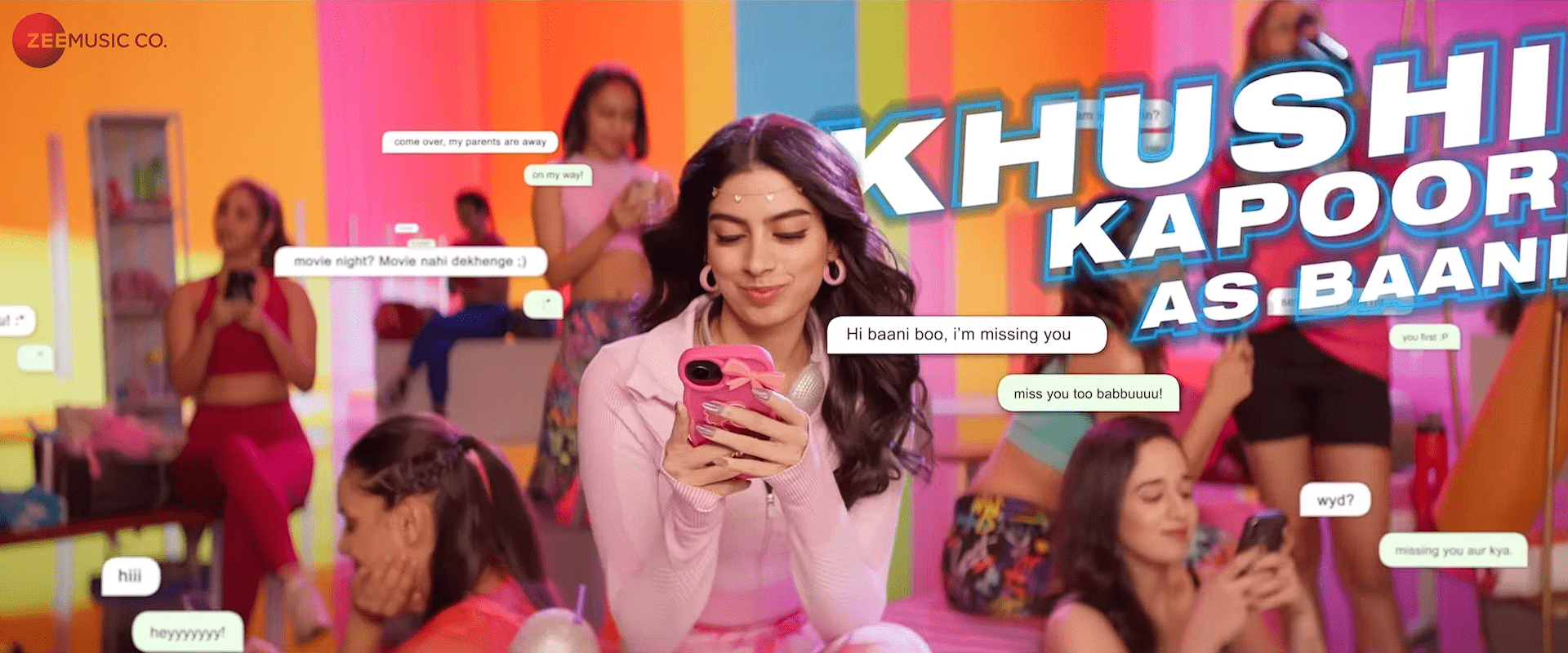
The film’s lead actress, Khushi Kapoor, is the daughter of Boney Kapoor and Sridevi, and the sister of Janhvi Kapoor. The hero, Junaid Khan, is Aamir Khan’s son. So naturally, a certain expectation – and skepticism – comes attached. I knew very well which “N-word” people would throw around even before the first scene unfolded.
But if you expect that I will start bashing the film solely because of its nepotism-heavy cast or the awkward marketing clips, then pause for a moment. Let’s talk about the film’s core idea first – because, surprisingly, Loveyapa has a genuinely compelling foundation.
- A Film Wrapped in Nepotism Conversations Before It Even Released
- A Premise Built on Modern Love, Digital Secrets, and Harsh Truths
- A Surprisingly Good Story Backed by Relatable Writing
- Performances – Junaid Khan Surprises, Khushi Kapoor Stumbles
- Visual Style, Pace, and Presentation – Youthful, Fast, and Emoji-Friendly
- The Elephant in the Room – The Tamil Original Is Better
- Final Thoughts – Should You Watch Loveyapa?
A Premise Built on Modern Love, Digital Secrets, and Harsh Truths
The story begins with a simple truth: both protagonists are deeply in love and want to get married. Nothing complicated on the surface. But the twist arrives when the boyfriend goes to meet the girl’s father, played by the ever-reliable Ashutosh Rana. And in classic Ashutosh Rana fashion, the character he plays is intimidating, perceptive, and someone who can read a person’s entire moral history just through their eyes.
Before this meeting, the girl briefs her boyfriend like a coach prepping her player before a World Cup final – wear this, don’t say this, pretend you’re vegetarian, pretend you’re someone going to the US. This already sets the tone for a relationship where both partners maintain little masks, tiny lies, and well-tailored versions of themselves.
But the real shock comes when the father lays down one unforgiving condition: For 24 hours, your phone stays with her, and her phone stays with you. No passwords, no hiding. If after that you still want to marry each other, the families will agree.
This is where Loveyapa becomes a mirror for today’s generation. Let me ask you this – would you ever exchange your unlocked phone with your partner for 24 hours? All messages, history, deleted photos, archived chats, app lockers, hidden folders… everything exposed?
That moment in the film hits deeply because it taps into the digital-age fear we refuse to acknowledge: our phones are basically diaries, confession rooms, emotional trash cans, and escape zones – all rolled into one.
As expected, both characters panic. They each have “small things” they shouldn’t have done – not quite cheating, but not fully innocent either. Slowly, one notification at a time, truths begin to surface, and their seemingly perfect relationship starts showing cracks.
A Surprisingly Good Story Backed by Relatable Writing
Let me say this clearly: the strongest element of Loveyapa is its writing. You may or may not appreciate star kids, but if you’re under 30 or have ever been in a relationship that was shaped by social media, messaging apps, and modern insecurities, you will relate hard.
Even if your life doesn’t match one-to-one with the characters, the situation is instantly relatable. I kept imagining – what if I had to do this 24-hour phone swap? What would I freak out about? What would I hide? That’s where the film succeeds: it makes you reflect, even if the lead pair doesn’t fully convince you emotionally.
Performances – Junaid Khan Surprises, Khushi Kapoor Stumbles
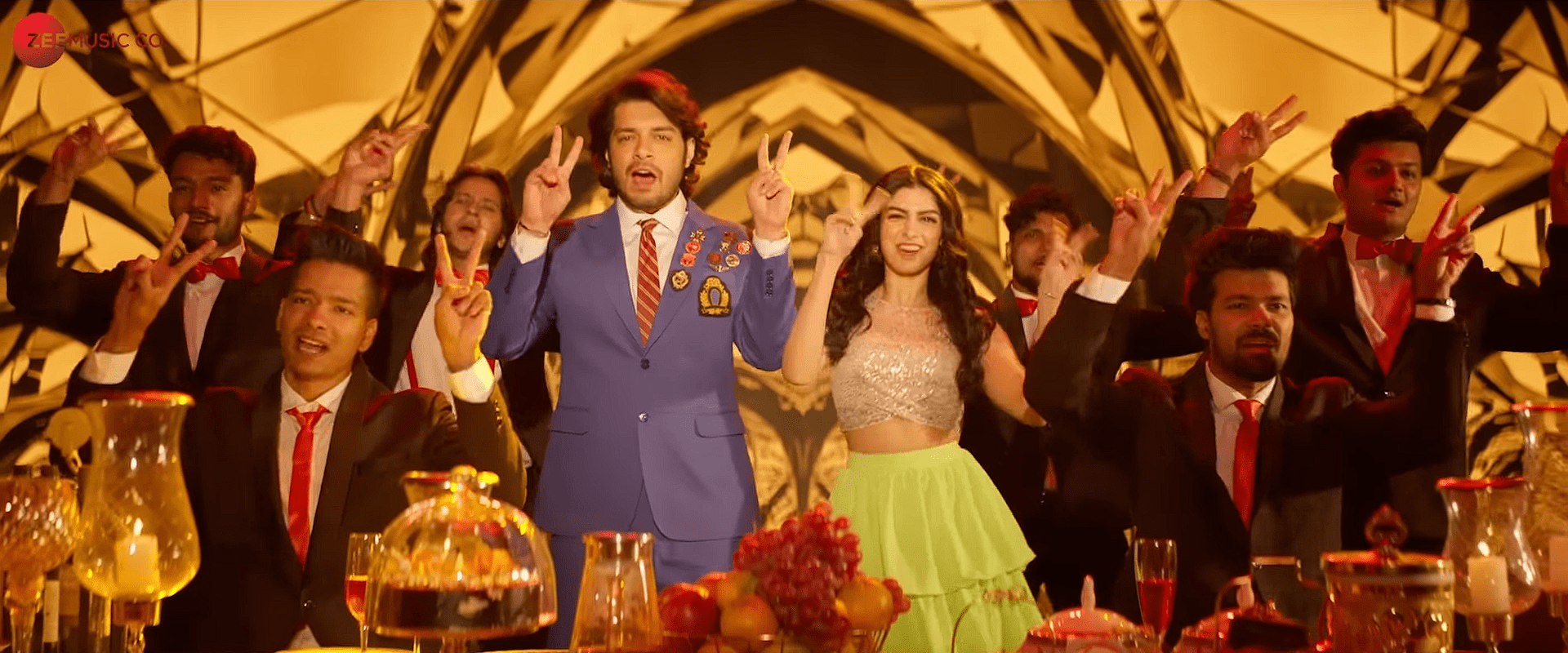
This part may surprise many. Based on the promotion videos, I expected Junaid Khan to perform poorly. Let’s be honest – his awkward dance moves were painful to watch. And even in the movie, there’s one song where he dances… and no, it’s still not good.
But when it comes to acting, he actually performs better than Khushi Kapoor. Junaid feels natural, grounded, and unexpectedly comfortable in emotional moments. Among recent star-kid debuts, I will confidently place him above Veer Pahariya from Sky Force. Not amazing, not extraordinary – but definitely better than expected.
Khushi Kapoor, meanwhile, feels slightly miscast. Her character belongs to a middle-class Delhi family, but she exudes a South Bombay aura, which stands out in scenes where relatability is crucial. The chemistry between the two? I would call it just okay – not bad, not remarkable.
There is one emotional scene towards the climax meant to elevate their connection, but ironically, the sister’s wedding side-track – featuring Kiku Sharda – lands with more impact. Casting Kiku was a smart move; his timing adds depth without dragging the narrative down.
Visual Style, Pace, and Presentation – Youthful, Fast, and Emoji-Friendly
The film understands its target audience well. Since it revolves around youth, technology, and digital-age relationships, the camerawork embraces agility. You’ll spot energetic transitions, modern graphics, and emoji-style animations popping up to visualise internal emotions.
One particularly funny moment occurs when Khushi’s character gets angry and a “smoke coming out of ears” animation appears – except it isn’t placed properly on the screen. The effect misses its mark, but the intention is fun, and overall, these choices help the film maintain a lively pace.
The best part? The makers didn’t overload the film with unnecessary songs. As far as I recall, there’s only one, which keeps the pace tight and focused.
The Elephant in the Room – The Tamil Original Is Better
Now we come to the irony I hinted at earlier.
Loveyapa is actually a remake of the 2022 Tamil hit Love Today, written, directed, and acted by Pradeep Ranganathan. And let me tell you – both leads in the original were absolute gems. I had watched Love Today when it released, and it was genuinely excellent.
If you watch the original, you will get a richer emotional experience, sharper performances, and a more authentic portrayal of digital-era anxieties. The Hindi version tries its best, and director Advait Chandan (who earlier made Secret Superstar and Laal Singh Chaddha) wisely doesn’t alter the premise unnecessarily. He sticks to the original’s strengths.
However, the biggest flaw of Loveyapa remains its casting. With stronger leads, the chemistry and emotional weight would have skyrocketed. The film isn’t bad – it’s simply not as powerful as the original.
Final Thoughts – Should You Watch Loveyapa?
If you are someone who avoids subtitles or prefers Hindi cinema purely for comfort, Loveyapa is perfectly watchable. It has a solid story, relevant themes, and a relatable premise. Junaid Khan gives an unexpectedly decent performance, Khushi Kapoor tries her best, and the film maintains a youthful energy throughout.
But if you have access to Love Today, the Tamil original – watch that instead. It’s superior in nearly every emotional and dramatic aspect.
Still, I will place Loveyapa in the “okay-to-good” category. Not a film worth hating, not a film you’ll regret watching – just one that could have been much better with the right leads.
Rating: 3/5