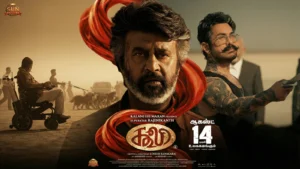
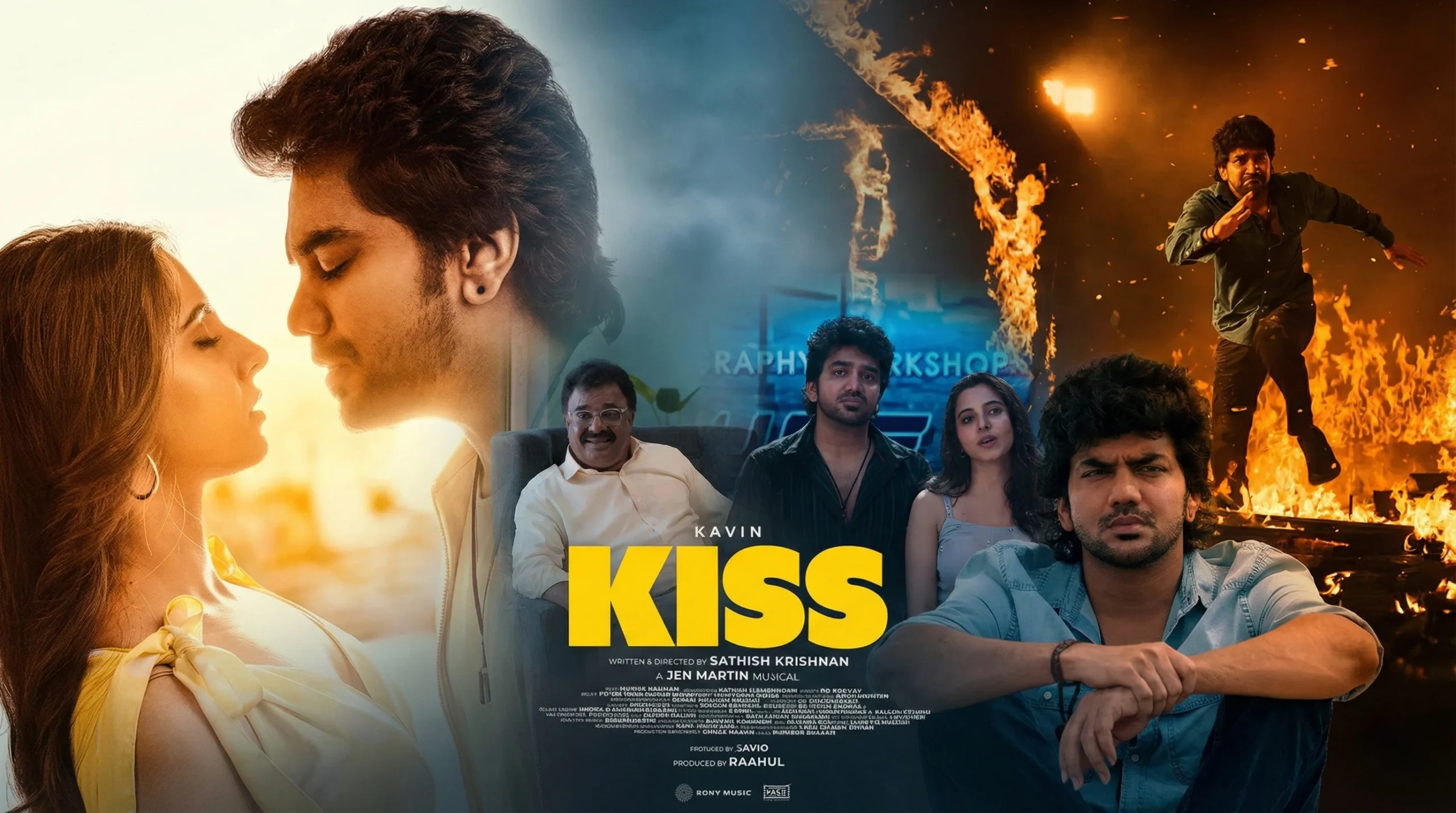
When a film drops with little fanfare, it often sparks a unique kind of curiosity in me. That was exactly the case with Kiss, a fantasy romantic comedy released rather quietly by director Sathish Krishnan. I walked into the film with no expectations, guided only by the intrigue that comes from a concept labeled as ‘fantasy.’ The movie opens with the narration of an ancient king’s tale – myth-like, decorative, and ultimately disconnected from the narrative that follows. But once I moved past that ornamental storytelling, the core plot began to take shape.
What surprised me was not the premise itself, but how that premise was handled.
A Premise Built on Magic, Sparks, and Unanswered Questions
At the heart of Kiss lies a genuinely interesting fantasy hook: the hero accidentally gains a special power because of a mysterious book handed to him by the heroine. It’s a simple pass-off, but the moment this book reaches him, his life changes in ways he never expected.
Whenever he sees couples being intimate – whether on the road, in a park, or at the beach – an internal “spark” activates. This spark shows him the couple’s future, and more often than not, what he sees is negative. Failed relationships, heartbreak, painful endings – his gift is essentially a curse coated in strange romantic irony.
Naturally, he assumes the heroine is the reason behind this sudden power, and he sets out to find her. This search leads him not only toward unraveling the mystery of the book but also toward falling in love with her. But destiny plays a clever twist on him: when she eventually kisses him, the same spark erupts, showing him a negative future for himself. Shocked, terrified, and confused, he must confront what lies ahead.
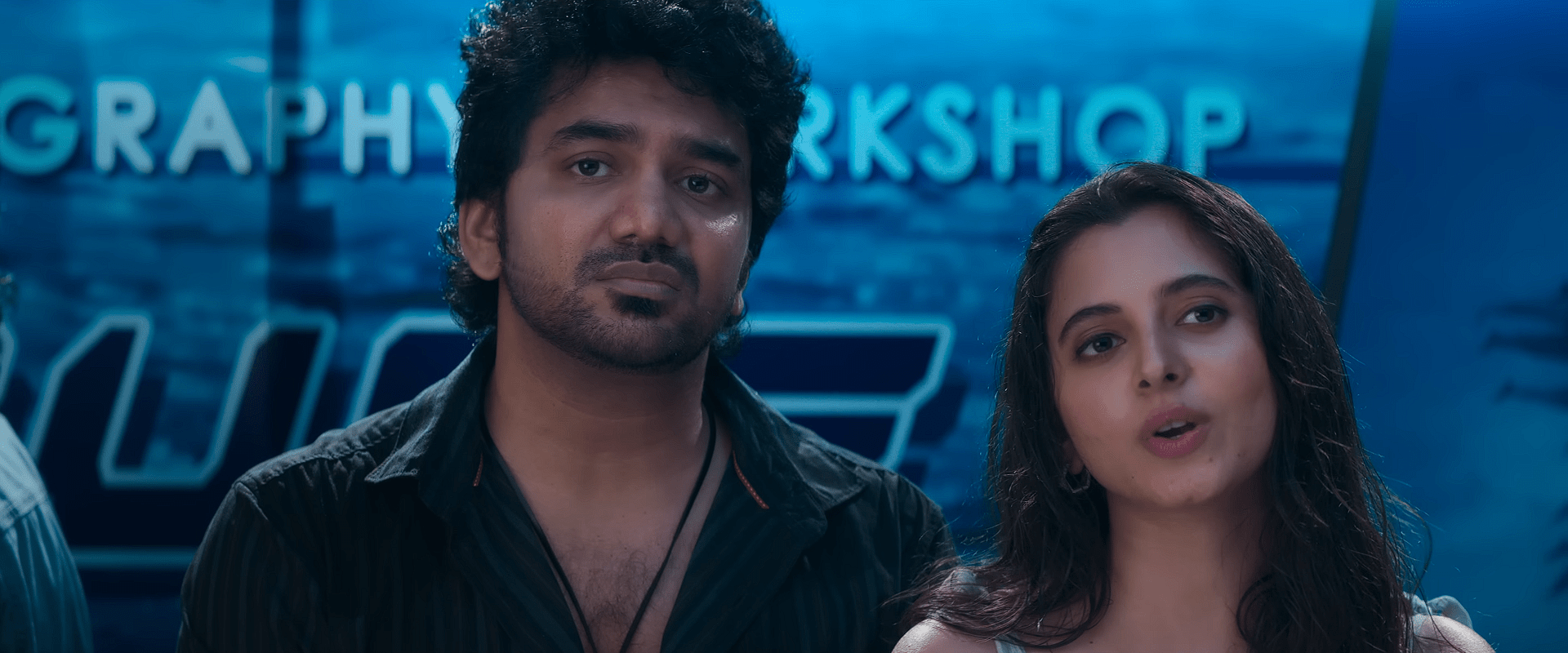
This setup has immense potential. The problem is how it is executed.
A First Half That Struggles to Find Its Rhythm
The first half of the film is one of the weakest zones. Scenes are stretched unnecessarily – moments that should last seconds extend into minutes. With very few actual sequences to drive the narrative forward, the screenplay relies heavily on repetition. As an audience member, I felt the drag almost immediately. The pacing dulled the intrigue the concept initially built, and irritation slowly replaced curiosity.
Much of this sluggish narrative comes from the film trying too hard to fill its more-than-two-hour runtime. The story simply does not have enough material to justify such length. A tighter, more focused edit could have transformed the viewing experience entirely.
What further complicates matters is the unclear world-building. Why did the book appear? Why was the king’s story narrated at the beginning? How does the myth connect to the hero’s spark-like visions? These questions remain unanswered. The fantasy element isn’t woven into the screenplay with clarity; instead, it hovers around the film like a decorative idea rather than a functional piece of storytelling.
A Slightly More Engaging Second Half – Saved by Performers
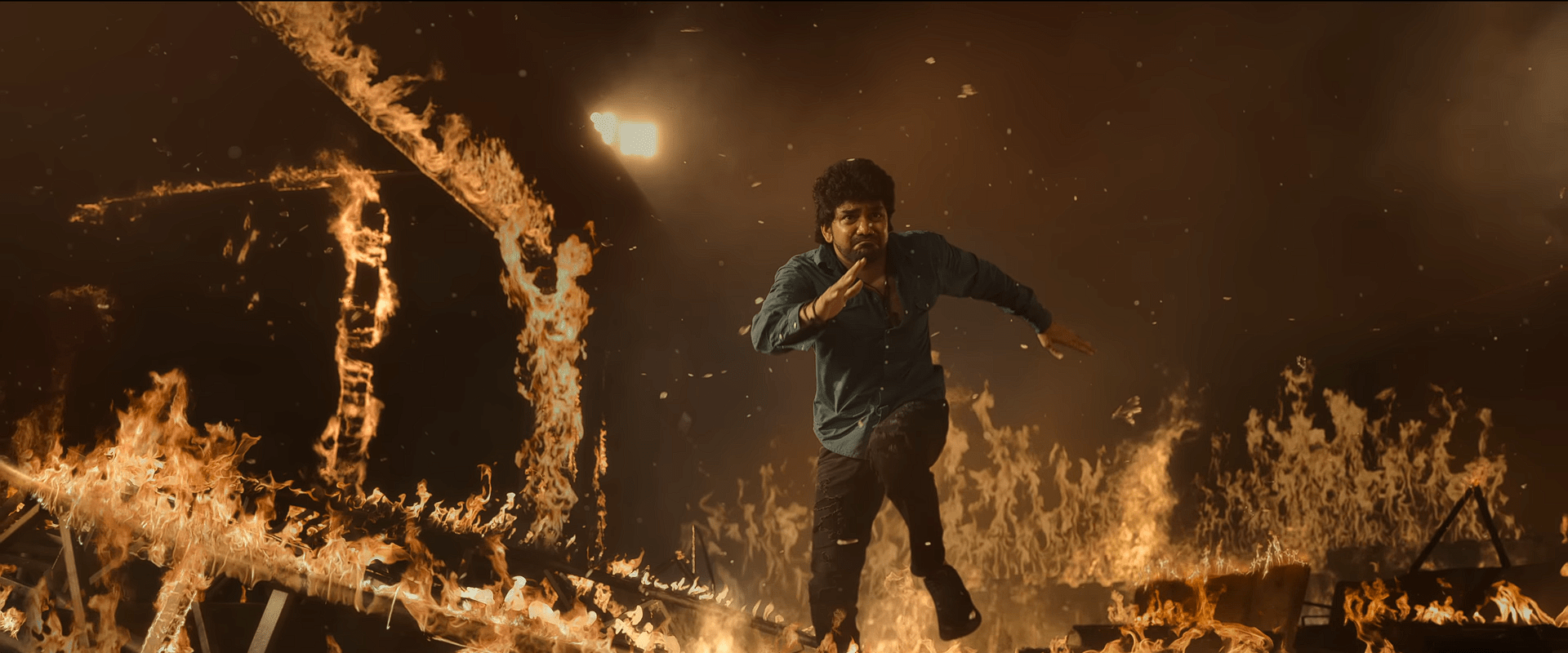
The second half does show improvement, largely because it introduces new scenarios and shifts the narrative forward. The scenes involving a boy attempting suicide bring in much-needed comedic relief. While the humour is not extraordinary, it works moderately well and keeps the proceedings afloat.
RJ Vijay and VTV Ganesh become the film’s saving grace. Ganesh, in particular, delivers a lively and engaging performance that held my interest whenever the screenplay threatened to lose it. These comedic elements soften the impact of a screenplay that frequently refuses to rise above mediocrity.
However, the emotional core of the film remains weak. There is no compelling reason for why the hero and heroine fall in love. Their connection is written as a given rather than something earned. Even the climax introduces a flashback about the hero’s father, reminiscent of Raghuvaran’s emotional arc from Aaha – so reminiscent, in fact, that it feels lifted with barely any reinterpretation.
Strong Visuals and Colourful Making, But Not Enough to Rescue the Film
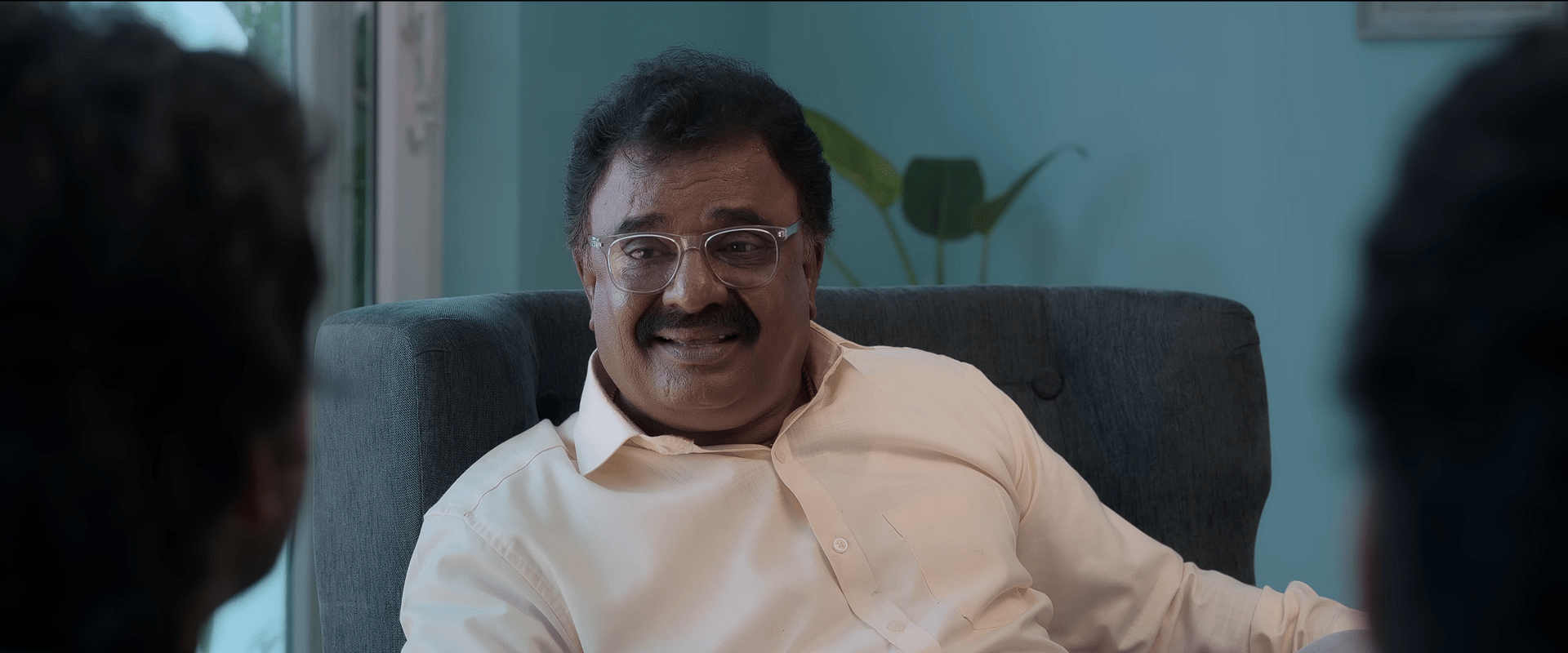
What genuinely impressed me was the production quality. The cinematography is vibrant, with frames filled with colour, life, and aesthetic appeal. The makers have clearly invested in ensuring the film looks polished. This visual clarity, combined with smooth camera work, makes the film at least tolerable even when the narrative sags.
The climax includes a fire sequence that is executed quite well, suggesting that the team had both ambition and technical capability. Unfortunately, the screenplay does not match the quality of the visuals.
The songs, surprisingly, become speed breakers. In a film like this – light-hearted, fantasy-tinged, and romantic – the music should carry at least two memorable tracks. Instead, every song interrupts the flow, contributing to the uneven pacing.

Final Thoughts – An Average Film With an Unused Potential
At its core, Kiss has an idea that could have become something special. A spark that reveals the future of lovers? That is a concept ripe with dramatic, emotional, and comedic possibilities. But the screenplay lacks the depth, clarity, and tightness needed to elevate the concept into a truly engaging film.
Despite commendable visuals, occasional humour, and an intriguing fantasy hook, the film remains a long, unexciting experience – watchable in parts, but never truly compelling.
Rating: 2/5