When I walked into the theatre for Kesari Chapter 2, I carried the same cautious excitement that many Akshay Kumar fans have been feeling lately. The teaser felt promising when it first dropped; the trailer added momentum and created a quiet confidence that maybe – just maybe – this film could deliver something special. That expectation, that little spark of hope, grew in my mind and probably in yours too. The question was simple: Would the movie live up to it?
And to my relief, and even a little surprise, Kesari Chapter 2 doesn’t just match the expectations set by its promotional material – in many ways, it goes beyond them. At one point, I genuinely felt this film could be Akshay Kumar’s big comeback. The more I watched, the more I felt that comeback had already happened. But let me not jump too quickly. Let’s take this one step at a time, calmly and thoroughly.
A Spiritual Successor With Franchise Ambition
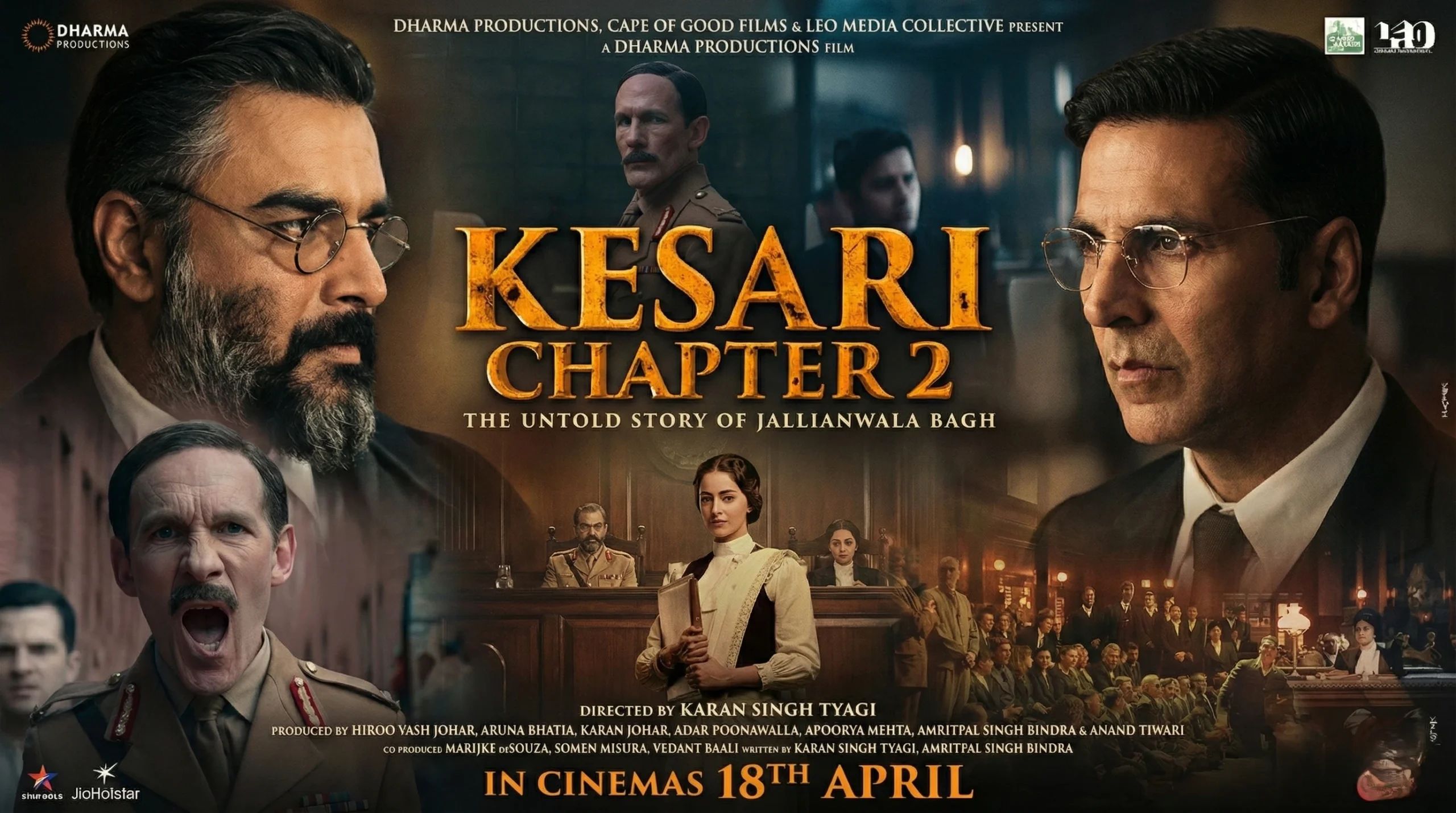
Kesari Chapter 2 positions itself as the spiritual successor to the 2019 film Kesari, though you should not expect a direct narrative continuation. In fact, the only two substantial similarities are Akshay Kumar himself and the reused B Praak song – a powerful track that instantly triggers familiarity. The moment it plays, you instinctively feel, “Wait… I’ve heard this before.” Almost like a déjà vu of the Shershaah era.
But this film marks a clear shift in tone, genre, and intention. Its story revolves around the Jallianwala Bagh massacre – not just the tragedy itself, but the suppressed reasons behind it, the aftermath, and the brave attempt to bring the perpetrators to justice. This isn’t a casual, fictionalized patriotic drama. The film begins abruptly and intensely, putting the massacre right at the forefront. And here’s my advice: Do not be late. The makers do not ease you in. From the opening minutes, the movie demands your full attention.
The 18+ rating isn’t just for gore or bloodshed; it’s also for the language. You may have noticed in the teaser that Akshay Kumar uses an F-word. Well, that scene – unfiltered and impactful – is retained in the film. They could have easily toned it down for a broader certificate, but they chose authenticity, and it works.
Given that the film is based on a true story, it naturally incorporates dramatic liberties. But some moments, especially the confrontation with the judge, hit so hard I genuinely felt like clapping.
- A Spiritual Successor With Franchise Ambition
- A Courtroom Drama at Its Core
- The Familiar Biopic Arc – But Done With Conviction
- Vintage Akshay Kumar Returns – And He Delivers
- R. Madhavan: A Worthy Rival With Remarkable Range
- Regena Cassandrra and Ananya Panday – Small but Meaningful Cuts
- A Powerful Underdog Narrative
- Music: Goosebumps and Melody
- Flaws and Familiarities
- A Story Worth Telling – And Worth Experiencing
- Final Verdict
A Courtroom Drama at Its Core
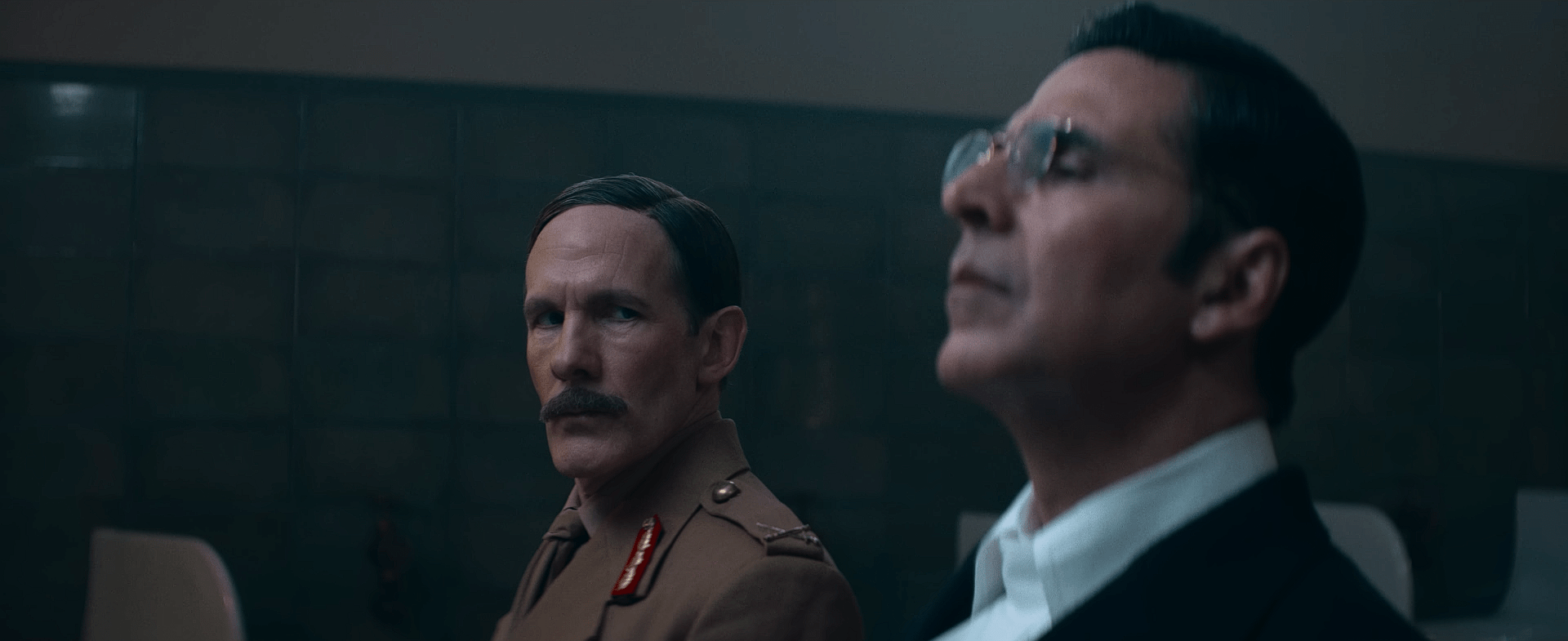
While the first part is dominated by the horrifying depiction of the massacre, most of Kesari Chapter 2 – especially everything from about 10–15 minutes before the interval onwards – unfolds inside the courtroom. Akshay Kumar’s character files a case directly against the British Crown, setting up a legal battle that becomes the heartbeat of the narrative.
This is also where a major behind-the-scenes change becomes evident: the director. Kesari Chapter 1 was helmed by Anurag Singh, but Chapter 2 comes from Karan Singh Tyagi, making his feature-film debut. Interestingly, Tyagi has a background in law, and that expertise shows. From the structured introduction of R. Madhavan’s character to the way arguments escalate, twist, and clash – the legal authenticity elevates the film significantly.
The Familiar Biopic Arc – But Done With Conviction
When the teaser and trailer dropped, many viewers joked – “Oh look, Akshay Kumar’s doing another biopic.” The memes practically write themselves at this point. And to an extent, the film follows the familiar trajectory expected from a glossy patriotic biographical drama. You get the moral high ground, the noble hero, the intense courtroom monologues that seem custom-built for applause.
But Kesari Chapter 2 does throw a few small surprises along the way. It sticks to a predictable emotional arc, but the execution is surprisingly effective. Especially in the last 15–20 minutes when the film takes a sharp emotional leap. Akshay’s character launches into an extended speech – something he has done many times in his films – but here, the speech lands beautifully. I found myself genuinely moved.
Vintage Akshay Kumar Returns – And He Delivers
One of the biggest talking points around Akshay Kumar in recent years has been the criticism surrounding his work ethic: that he shoots films too quickly, finishes in 40–50 days, doesn’t invest emotionally, releases multiple movies a year, and even reads dialogues off a teleprompter. These comments have echoed all over the internet.

But when a performance like this appears, all that criticism momentarily becomes irrelevant.
In Kesari Chapter 2, Akshay brings a level of subtlety that I haven’t seen from him in a while. His emotional restraint, his controlled reactions, and his ability to suddenly explode with intensity – all of it reminds you why he once commanded such respect in the patriotic drama space. This is the old Akshay Kumar energy, the kind that made audiences clap in theatres.
R. Madhavan: A Worthy Rival With Remarkable Range
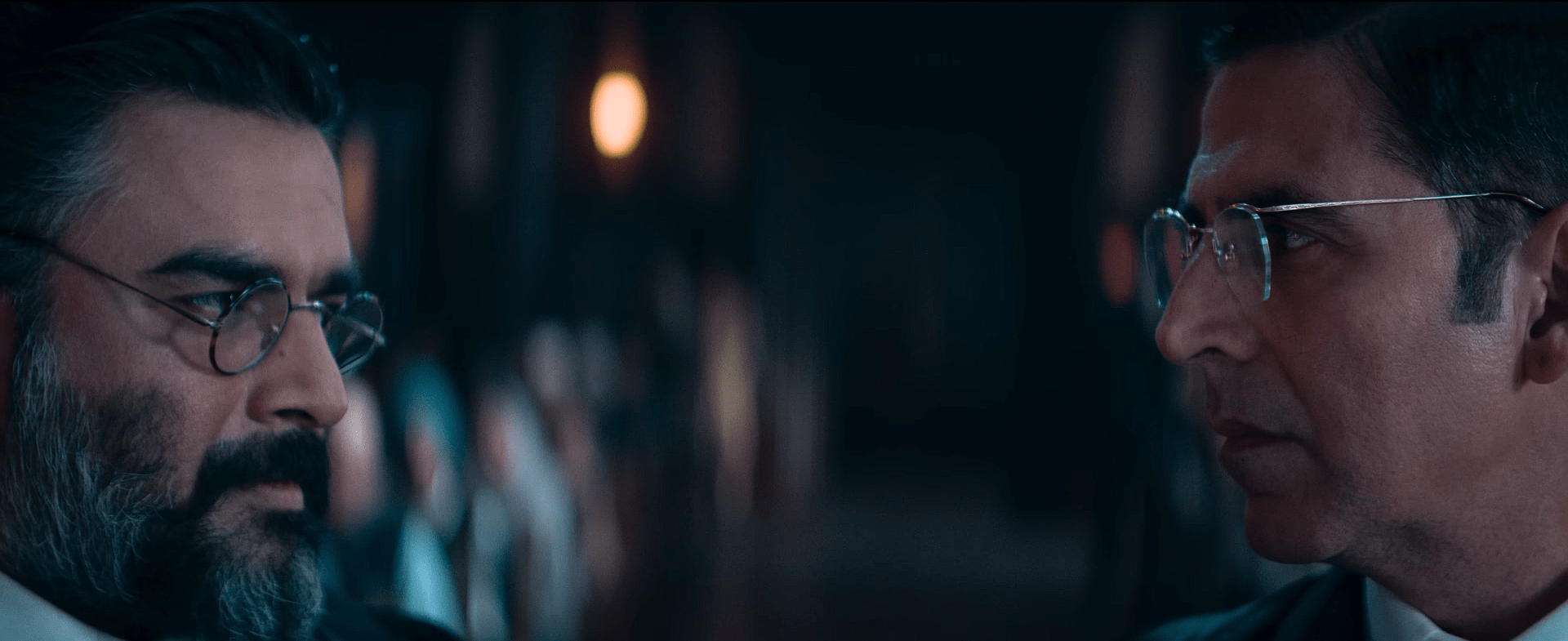
A big chunk of the film’s thrill comes from Akshay Kumar’s on-screen rivalry with R. Madhavan. Their courtroom duel is dynamic and unpredictable. Madhavan’s casting is one of the film’s best decisions – he brings depth, nuance, and a magnetic presence.
The legal arguments bounce between the two with rhythm and sharp timing. The only minor flaw I noticed was the editing, which sometimes cut between shots too quickly, breaking the natural flow. And then there’s the unnecessary English subtitles – why must a Hindi film with characters speaking Hindi display English subs? I’m watching in Kolhapur, not Los Angeles.
Still, despite these annoyances, the energy between Akshay and Madhavan remains gripping, and their battle is both emotional and intellectual.

Regena Cassandrra and Ananya Panday – Small but Meaningful Cuts
The women in the cast don’t get extensive screen time, but they do leave an impression.
Regena Cassandrra
She recently made noise for her work in Jaat, where the reactions were explosive. Here, she shifts into a grounded, subtle space. As Akshay Kumar’s wife, she portrays the emotional toll of being married to a man fighting against the entire British Empire. Her presence is limited, but significant.
Ananya Panday
I walked in wondering why she was cast – and you probably did too. But to be fair, Ananya does not drag the movie down. In fact, that alone feels like a victory. The line shown in the trailer actually works better in context. She brings the necessary balance without overshadowing the core courtroom tension.
A Powerful Underdog Narrative
One thing the film excels at is communicating the magnitude of the challenge. You’re a lawyer. You file a case. But the opposing side is not a person – it’s the entire British government. Their judiciary, their power structure, their system – everything is against you. And yet, two determined lawyers defy them without major evidence, leaning entirely on truth, courage, and conviction.
It’s an underdog story wrapped in historical tragedy and patriotic fervor, and the film’s emotional payoff in the climax reflects that beautifully.
Music: Goosebumps and Melody
There is one additional song that mildly sidetracks the narrative – not exactly an item number, but its placement slightly breaks the flow. However, the rest of the music is impressive.
The background score, especially the “O Shera” segment used in the trailer, hits hard and delivers genuine goosebumps.
The soft track “Kithe Gaya Tu Saaiyaan” adds emotional depth at the right moments. And of course, the reused B Praak number remains as soul-stirring as ever.
Flaws and Familiarities
No film is without its weaknesses, and Kesari Chapter 2 has a few:
- Some scenes reveal noticeable CGI inconsistencies.
- Editing during certain courtroom exchanges feels rushed.
- Unnecessary English subtitles distract from immersion.
The biggest hurdle is the familiarity – because it’s another biopic-inspired drama, some viewers may feel they’ve seen this tone before.
Still, the film remains effective because it delivers what it promises.
A Story Worth Telling – And Worth Experiencing
In the end, Kesari Chapter 2 succeeds in its mission: to shed light on a historical event that many people don’t know enough about, while crafting an intense courtroom drama filled with emotion, anger, helplessness, hope, and patriotism.
It evokes sadness, outrage, respect, and patriotic pride – sometimes all within the same scene. And that makes the experience worthwhile.
As I finished this review, I noticed something: Kesari Chapter 3 has already been confirmed. The franchise era continues.

Final Verdict
Kesari Chapter 2 is a gripping, emotionally charged courtroom drama that marks one of Akshay Kumar’s strongest performances in recent years. With solid direction, powerful confrontations, and a moving depiction of the Jallianwala Bagh aftermath, the film stands tall despite minor flaws and familiar beats.
Rating: 3.8/ 5
A compelling watch for anyone who enjoys powerful performances, courtroom intensity, and stories rooted in India’s history.