When I walked into the theatre to watch Karate Kid: Legends, the first thought that crossed my mind was simple: The Karate Kid – you have probably heard this name somewhere. In fact, most of us have grown up with some version of it. For many people in my generation, the 2010 film starring Jackie Chan and Jaden Smith was the definitive Karate Kid experience. A boy goes to China, struggles in a new environment, learns discipline and courage through Kung Fu, and ultimately rises above the odds. That movie was a massive part of pop culture – especially in India – and it introduced a new wave of martial arts glamour to young audiences.
Now, after more than a decade, the franchise returns once again with The Karate Kid: Legends, a film that revives the original spirit of the series while attempting to merge multiple timelines, tones, and legacies into one grand cinematic moment. And, surprisingly, it doesn’t just come in English. For India, they played one more game: a full Hindi dub. Jackie Chan’s voice has been given by Ajay Devgn, and the new protagonist’s voice is done by Ajay Devgn’s own son, Yug Devgn. Naturally, that is something to talk about.
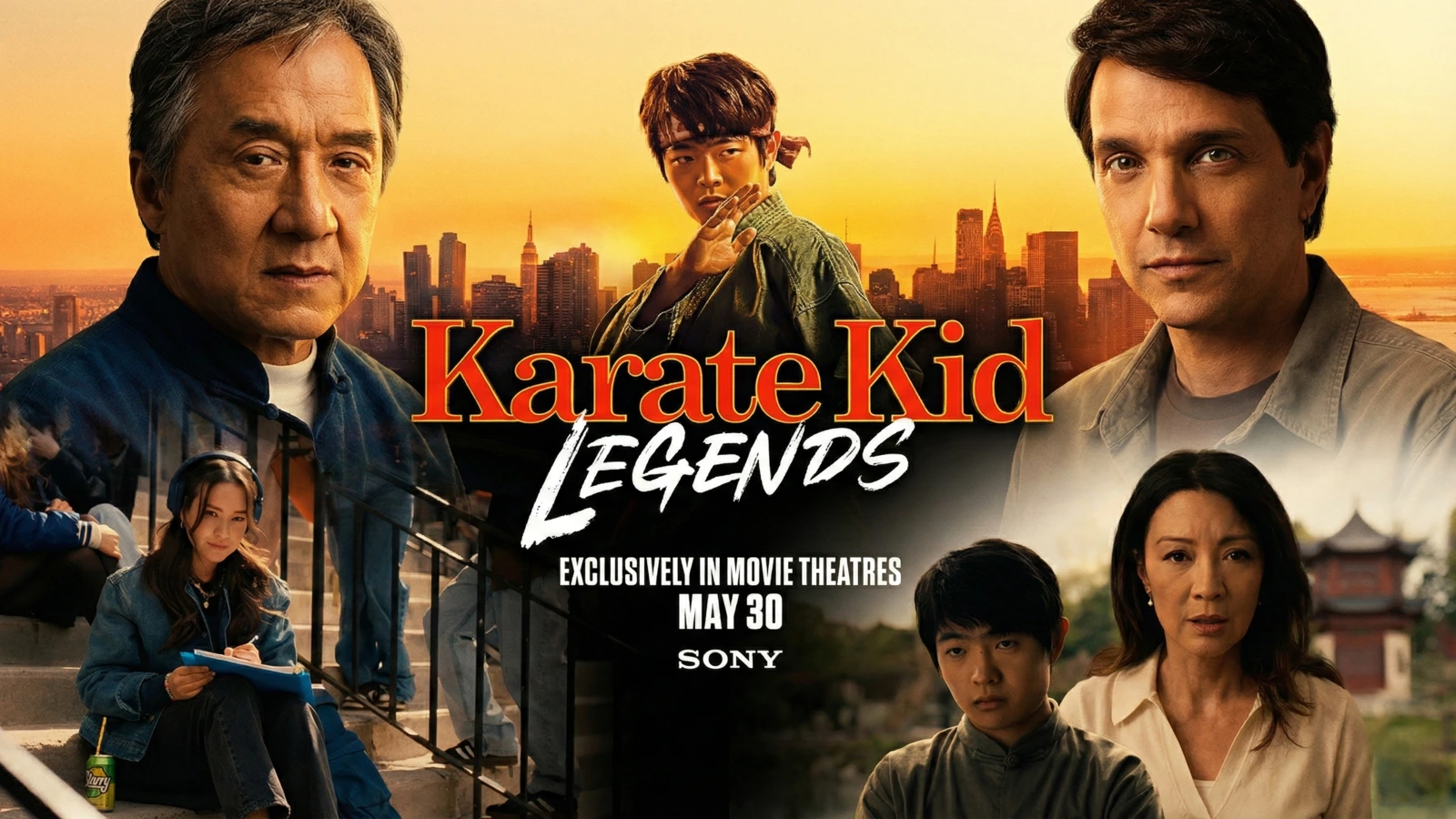
But before I get into the performances, the Hindi dub, or the storytelling, I need to clarify something important – for you, for anyone planning to watch this movie, and honestly even for myself. Karate Kid: Legends is built on a thick, layered foundation of nostalgia. It is not just a sequel. It is not just another installment. This franchise has now become, in its own way, a cinematic universe. And if you ask me, “Why should I watch Karate Kid: Legends?” the biggest answer will be: nostalgia.
A Quick Journey Through Four Decades of Karate Kid History
Let me rewind quickly – very quickly – because the franchise’s long history is important to understand what Karate Kid: Legends is aiming for.
The journey began in 1983–84 with the very first Karate Kid movie. Quick maths – how many years ago was that? Your brain is probably calculating as you read: around 40–41 years. It’s crazy how time flies. But more importantly, that movie set the foundation for every story that followed. A simple template:
- A boy arrives from outside, trying to adjust to a new environment.
- He tries to make friends, and usually likes a girl.
- A bully or villain appears and creates conflict.
- To overcome this, the boy receives karate training.
And finally, at a big tournament, after losing and rising again, he wins – getting the prize, the respect, the girl, and the glory. That’s the formula. And this formula stayed true not only in the first movie but also in its sequels – Part 2, Part 3, and Part 4.
But the fourth movie, released in 1994 – yes, before I was even born – was a flop. The franchise halted. It went silent. And many believed that was the end.
- A Quick Journey Through Four Decades of Karate Kid History
- 2010: Jackie Chan, Jaden Smith, and the Global Rebirth
- 2018: Cobra Kai and the Surprising Evolution of a Villain
- Karate Kid: Legends – A Story Built from Every Piece of the Past
- Comparing the Heart: 2010 vs Legends
- The Hindi Dub Disaster – A Major Miscalculation
- Performances, Chemistry & Convenience
- Emotions, Nostalgia & a Dash of My Own Karate Trauma
- Final Thoughts – A Movie That Punches, But Not Hard Enough
2010: Jackie Chan, Jaden Smith, and the Global Rebirth
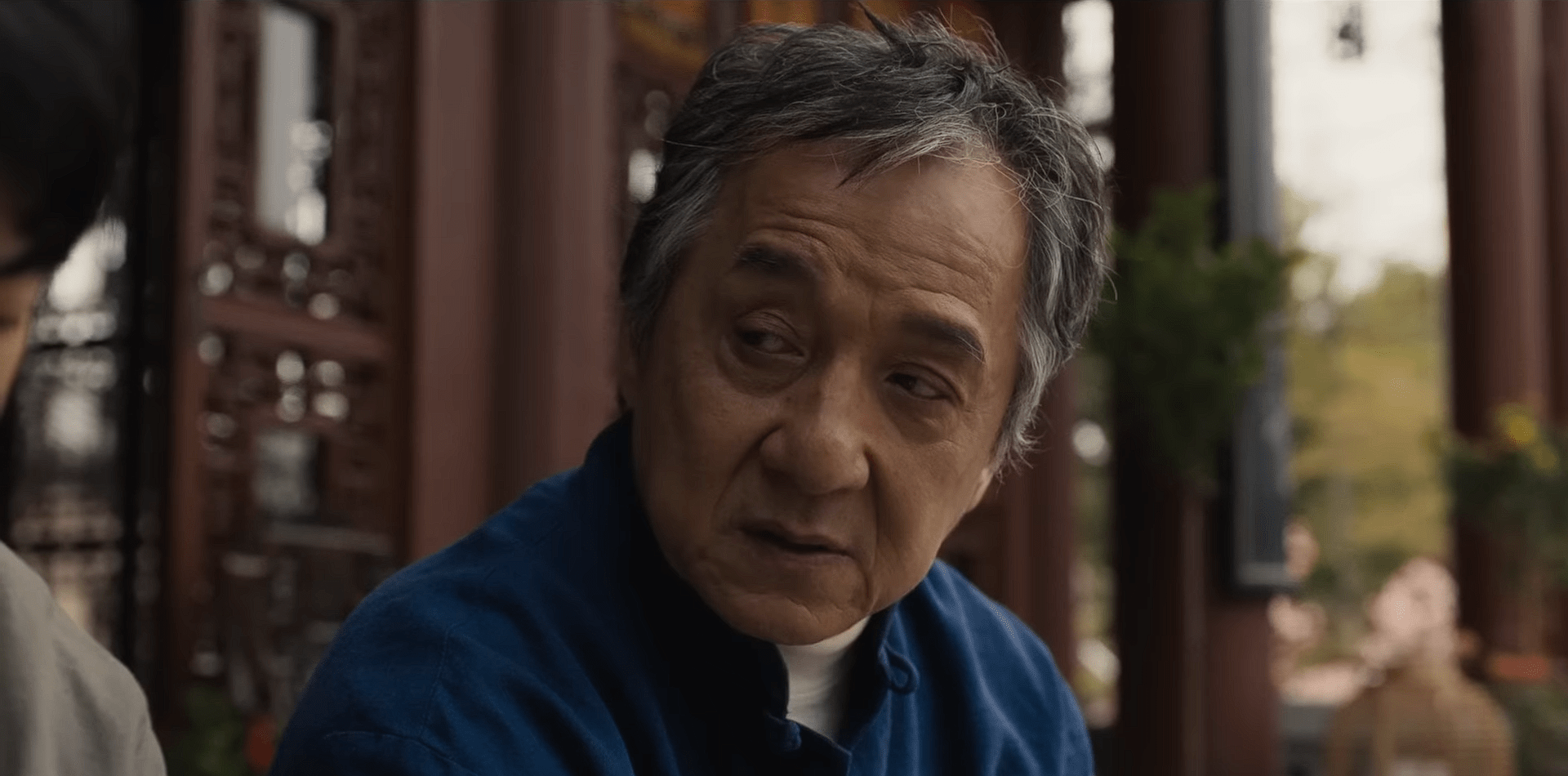
Sixteen years later came the next big jump – the 2010 Karate Kid starring Jackie Chan and Will Smith’s son, Jaden Smith. You’ve probably seen it. Everyone has. It made a lot of money and revived the brand, but the interesting twist was this: the movie was called The Karate Kid, but throughout the entire film, what they showed was Kung Fu, not karate. This detail might feel minor, but it becomes significant later, especially when Karate Kid: Legends tries to merge everything.
2018: Cobra Kai and the Surprising Evolution of a Villain
Then came 2018, a turning point nobody expected – Cobra Kai, the web series that began on YouTube. And this is where the franchise became layered, intelligent, and emotionally rich. Instead of focusing on the hero, the creators flipped the perspective. The villain of the 1984 movie – the guy who got beaten, humiliated, and lost – became the protagonist. Suddenly, we were made to see how he turned out after 30–35 years, and perhaps more importantly, we were made to feel that he too was a product of his circumstances. Maybe we judged him too quickly back then.
Cobra Kai gained massive success, running for multiple seasons. It reintroduced the original Karate Kid (Ralph Macchio), now in his 40s, and showed how old rivalries still affect new generations. I loved this series. I enjoyed every bit of it. You should watch it too.
All this history isn’t random – it becomes the backbone of Karate Kid: Legends.
Karate Kid: Legends – A Story Built from Every Piece of the Past
So now, we arrive at the present.
Karate Kid: Legends attempts something extremely ambitious: it tries to cram and streamline the entire 40-year history into one film. And the story again follows the familiar Karate Kid template – but with multiple twists.
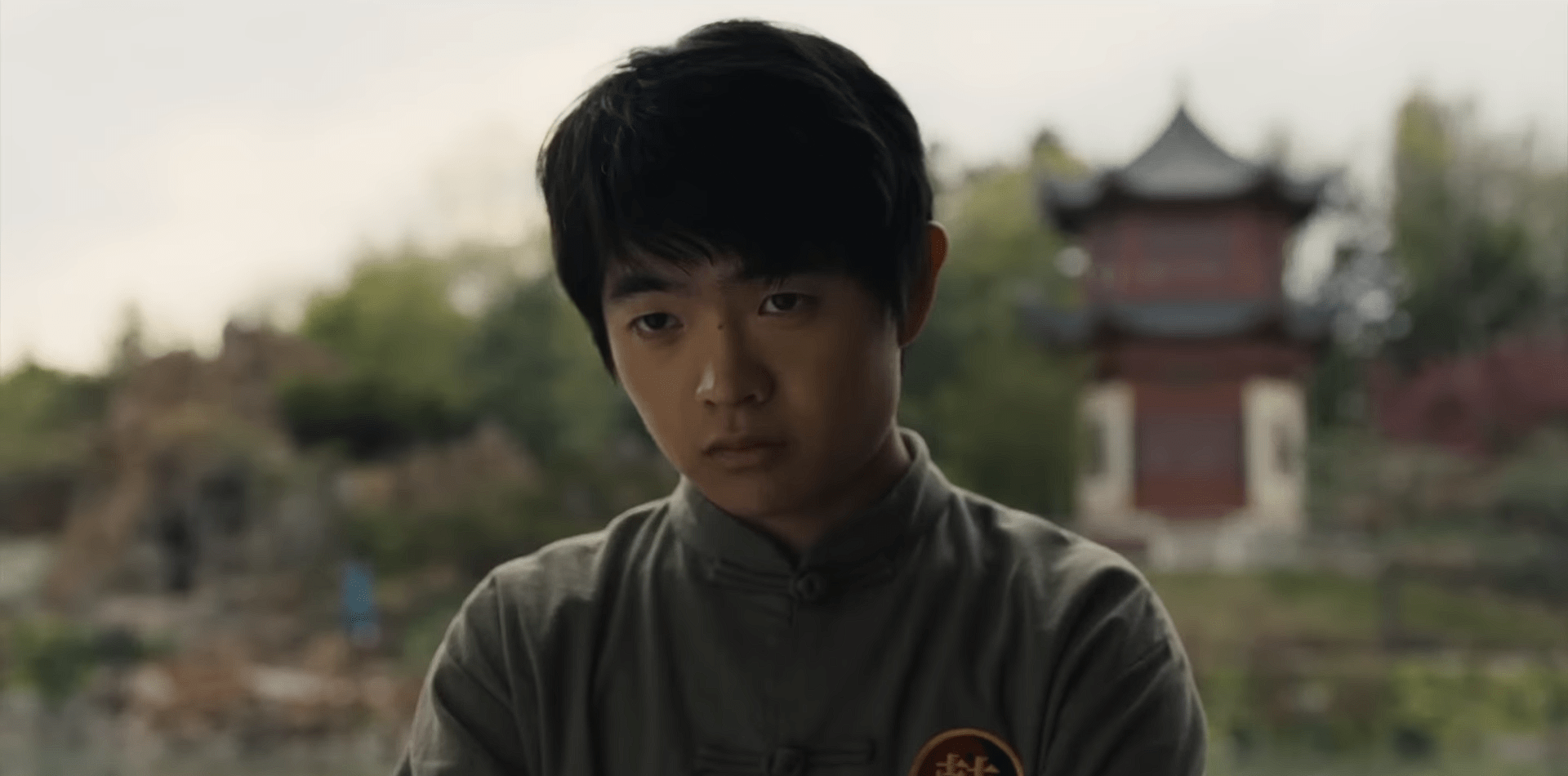
A boy from China moves to America, specifically New York. He already knows Kung Fu, taught by Jackie Chan’s character – the same mentor from the 2010 movie. Now, in a new city with new faces, he goes to a new school. He befriends a girl, slowly building that tender teenage bond, and because of her, he clashes with another boy – a bully who is a master in karate. This guy has won the same tournament for five consecutive years, so his ego is sky-high.
The protagonist does not want to fight. He dislikes conflict. But he gets provoked repeatedly. And, as we all know – when a Karate Kid is pushed, the training begins.
But here comes the twist: Since he is now preparing for a karate tournament, Jackie Chan’s Kung Fu-master character needs help. Who comes in? The original Karate Kid – Daniel LaRusso – from the first three movies and also from Cobra Kai. Yes, Ralph Macchio steps in.
And no, this is not a spoiler. It was already shown in the trailer.
To differentiate the repeated storyline, the makers introduce a side narrative. Honestly, it does not matter much. It adds more length but not more soul.
Comparing the Heart: 2010 vs Legends
If I take the 2010 Karate Kid as my baseline, my feelings are clear. When I watched the 2010 movie years ago – when my mind probably wasn’t as developed – I still remember how strongly it impacted me. The emotions in that movie were cooked slowly, patiently, with care. Every beat – from hopelessness to courage – felt organic. And therefore, when the final tournament began, when the final kick landed, we all cheered.
With Karate Kid: Legends, that emotional depth is missing. I genuinely didn’t feel even 50% of what the 2010 movie delivered.

Why? Because the story here tries so hard to do something “different” that the first half ends up feeling messy. And more importantly, the emotional scenes feel rushed, as if the makers were afraid of being cliché, so they deliberately avoided giving feelings enough time to settle.
Because of this, the final fight sequence – which should have been the soul of the movie – feels almost shockingly short. I think the entire thing wraps up in around 15 minutes. Start to finish – done. Dust cleared.
Ironically, a pre-interval fight involving a side character lasted longer.
The Hindi Dub Disaster – A Major Miscalculation
Now let’s talk about something that truly bothered me: the Hindi dub.
This has become a disturbing trend – when it comes to marketing Hollywood films in India, the quality of dubbing often becomes the last priority. Instead of hiring skilled voice actors who understand vocal performance, studios choose big celebrities. Why? For headlines. For buzz. For publicity. After all, “Ajay Devgn voices Jackie Chan” looks good on posters.
I’m not against Ajay Devgn voicing Jackie Chan. Professional actors can and do dub for their own films all the time. That’s not the issue.
The real issue is the baffling decision to cast Yug Devgn – Ajay Devgn’s 15-year-old son – as the voice of the lead character.

Let me clarify: This is not hate toward Yug Devgn. I completely understand that if anyone at age 15 was given a chance to voice a Hollywood film, they would jump at the opportunity. I would have done it too.
The problem lies with the studio people who made this decision – people who probably thought this was a genius move. Did they sit and listen to the final product? Did they check if the voice matched the actor on screen?
Because it doesn’t.
That mismatch takes you out of the film again and again. Just when I began to engage with the story, some dialogue would jolt me back to reality. Teenage boys usually have cracking voices or lighter tones, but here an artificial base was added, making it sound forced.
My humble request: Avoid the Hindi dub if you want to enjoy the movie.
Performances, Chemistry & Convenience
Now, keeping the dub aside and focusing purely on the film itself – Karate Kid: Legends is not bad.
Some choices feel convenient, like Ralph Macchio flying from Los Angeles to New York just to train one boy. It didn’t translate well – maybe the dub made it worse. But the chemistry between Jackie Chan and Ralph Macchio is surprisingly delightful. Their banter, contrasting teaching styles, and different philosophies feel enjoyable. I assume the English version will showcase this chemistry even better.
As for the fight sequences, around 30% of them made little sense to me. But the remaining 70%? Impressive. The camera work is sharp. The choreography has personality. Some shots genuinely made me sit up.
One particular fight sequence – where the boy uses items around him to improvise, almost in Jackie Chan’s signature comedic style – was wonderfully entertaining.
Emotions, Nostalgia & a Dash of My Own Karate Trauma
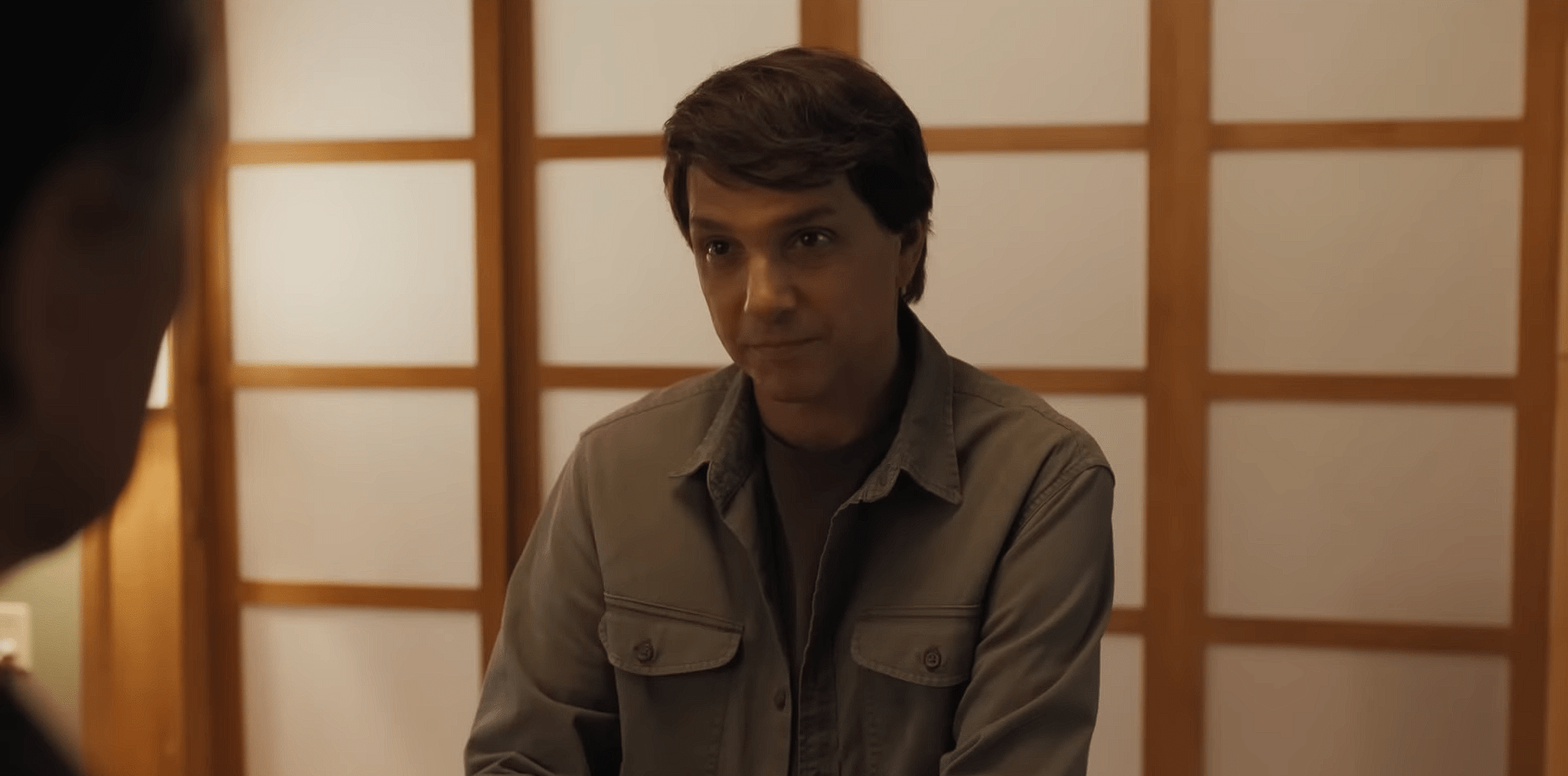
The emotional arc revolves around the boy’s struggle – his bullying, his loneliness, his desire to adapt. When he finally rises as the new Karate Kid, the film gives him a few standout moments.
And then there’s the nostalgia. For people who have watched the original Karate Kid but not Cobra Kai, there will still be a satisfying sense of reconnecting. Seeing Daniel LaRusso as a grown man, carrying the legacy of Mr. Miyagi, evokes memories of a simpler cinematic era.
There’s also an attached extended scene at the end – no, not a post-credit scene – that fans will appreciate. I won’t spoil what it is.
And on a personal note: They show a boy mastering karate in seven days. Is it possible? You tell me.
I once tried karate in school for 10–15 days. I went for a kick, my other leg also lifted, and I collapsed like a sack of potatoes – right in front of the girls in class. My reputation ended there. So yes, realism is questionable.
Final Thoughts – A Movie That Punches, But Not Hard Enough
Karate Kid: Legends is nowhere near the emotional richness of the 2010 Karate Kid, nor does it match the layered storytelling of Cobra Kai. But it isn’t a disaster either. If you lower your expectations, go in expecting lighthearted entertainment – some action, a few nice fights, a nostalgic flashback – then this movie can be an okay-ish time pass.
But if you go for the Hindi version? Brother, I hold no responsibility.
In the hope of attracting audiences with the name of a superstar’s son, they sacrificed the actual viewing experience. And that is a shame.
Rating: 2.5/5
Enjoyable in parts, nostalgic in tone, but lacking the emotional power and finesse that made the earlier Karate Kid entries iconic.