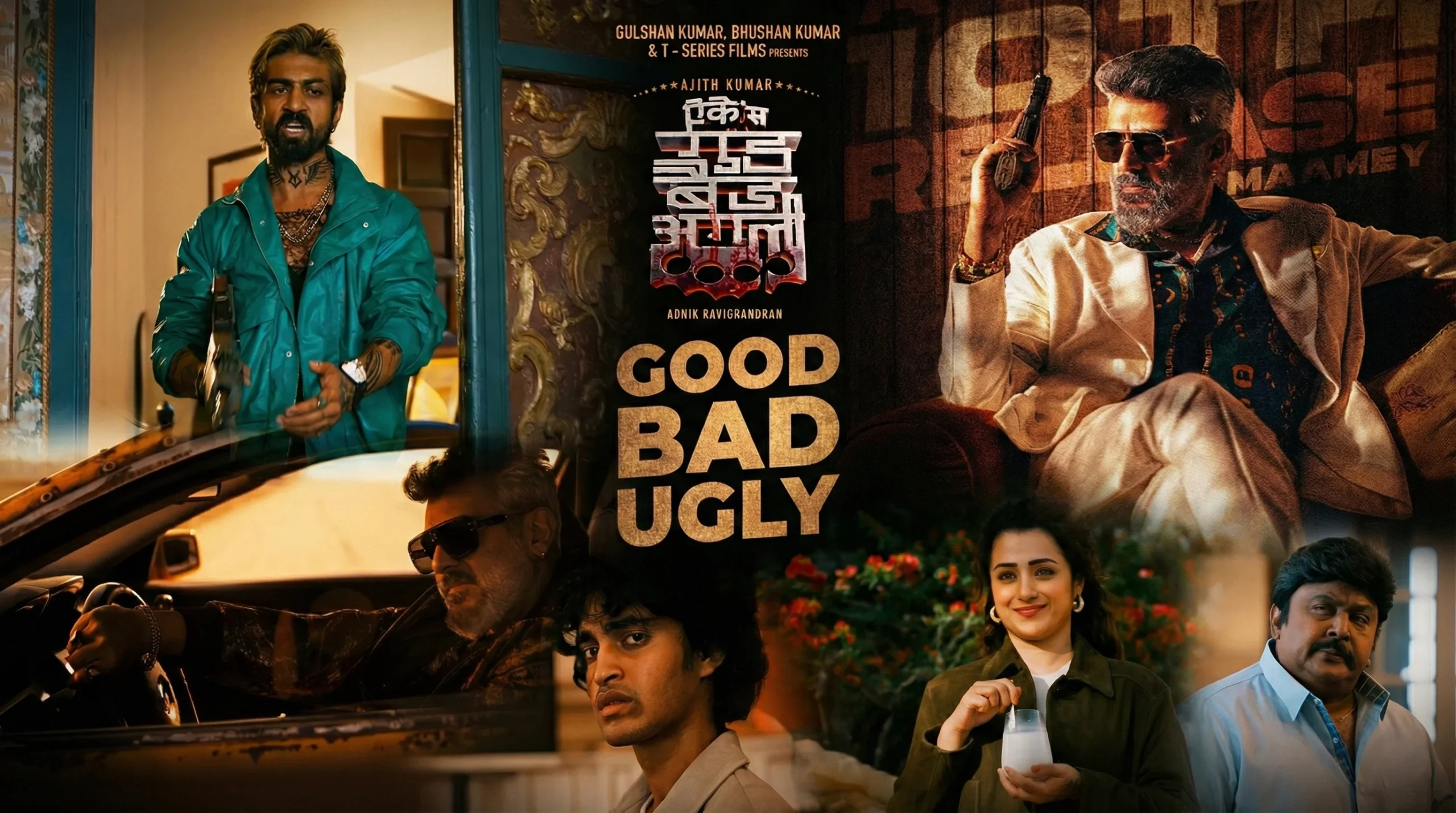
There are films that remind me of how complacent mainstream storytelling can get when it leans entirely on hero worship. Good Bad Ugly, directed by Adhik Ravichandran, falls squarely into this category. From the very first frame, I sensed that the film was not trying to tell a story as much as it was trying to build an aura around its lead star. By the end, that instinct proved right – almost painfully so.
A Potentially Emotional Plot That Never Finds Its Soul
The premise had genuine dramatic scope. The protagonist – a notorious don and feared gangster – returns with nothing but the longing to see his child. His partner, played by Trisha, draws a boundary that immediately injects emotional tension into the narrative. She tells him, “Since you are a big gangster, you should not touch my child. Only if you become a good man and reform yourself should you touch my child.”
That line could have become the emotional spine of the film. It could have pushed the story into a space of moral reckoning, personal redemption, and fatherly love. Instead, it merely becomes a trigger for a rush of events.
For his son, he owns up to every crime he has committed and willingly goes to jail. The sentence is long – he can return only after eighteen years. Yet he yearns to attend his son’s eighteenth birthday, a moment symbolically rich, one that could have carried the film’s emotional high.
But destiny twists the plot again. The boy himself lands in prison in a false drug case, a contrived turn that feels planted purely for drama. This pushes the father back into the gangster world he had abandoned. The stage seems set for a gripping rescue story, but what unfolds instead is a barrage of style without substance.
A Story Told in Voice-overs Instead of Scenes
What struck me very quickly was how little of the story was visually presented. Shockingly, much of the narrative is delivered through voice-over, as though the film did not trust its own scenes to communicate anything. I found myself listening more than watching, and that is never a good sign in a medium designed for visual storytelling.
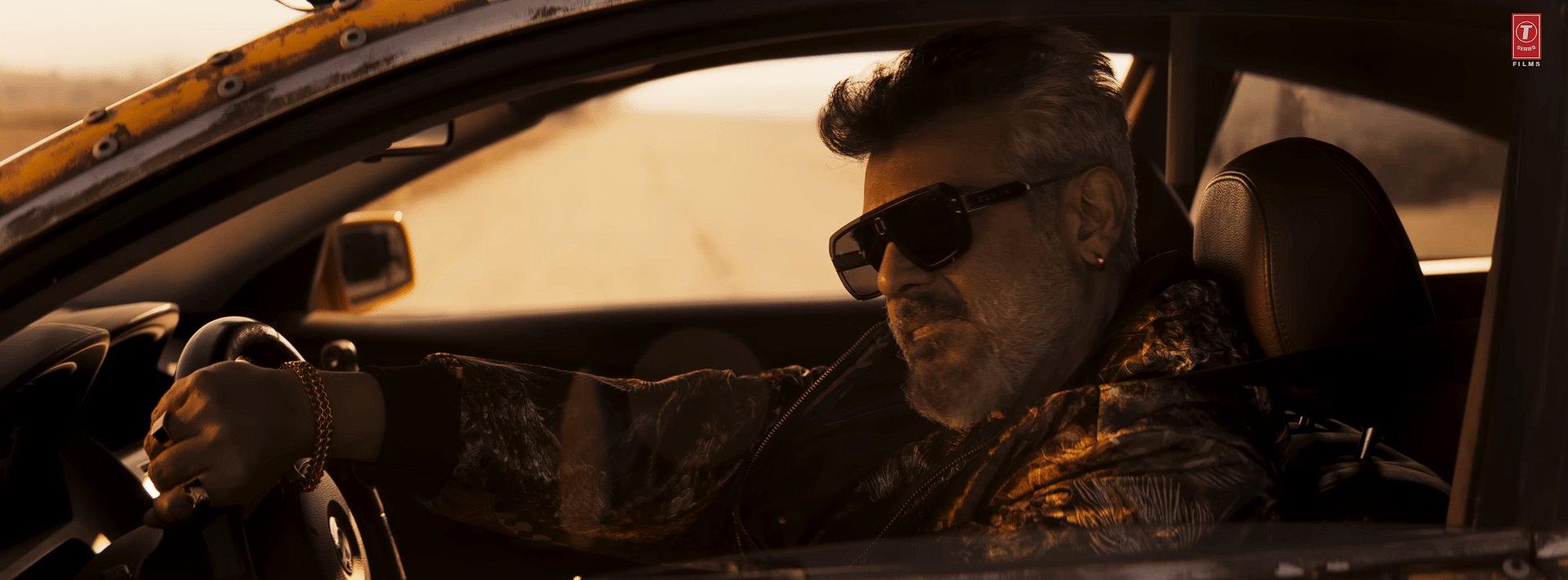
Only a handful of sequences actually play out on screen, and even those feel hurried. Beyond those, there are just a few additional scenes tossed in, almost like filler. The rest of the screenplay barely exists. There is no progression, no dramatic shape, no breathing room for characters.
This hollow structure drains the life out of a plot that – at least on paper – could have explored fatherhood, redemption, and loyalty.
The Fanboy Syndrome Takes Over
As the narrative thins out, something else takes over: relentless fan service. The film seems obsessed with reminding me who the hero is, what he has done, how fearsome he once was, and why he deserves reverence. Characters come and go purely to drop build-ups about the protagonist.
Lines like “Do you know who the hero is? What kind of person he is? What all he has done?” echo repeatedly in various forms. After a point, it felt like the director was standing beside me, elbowing me every two minutes, urging me to admire the hero.
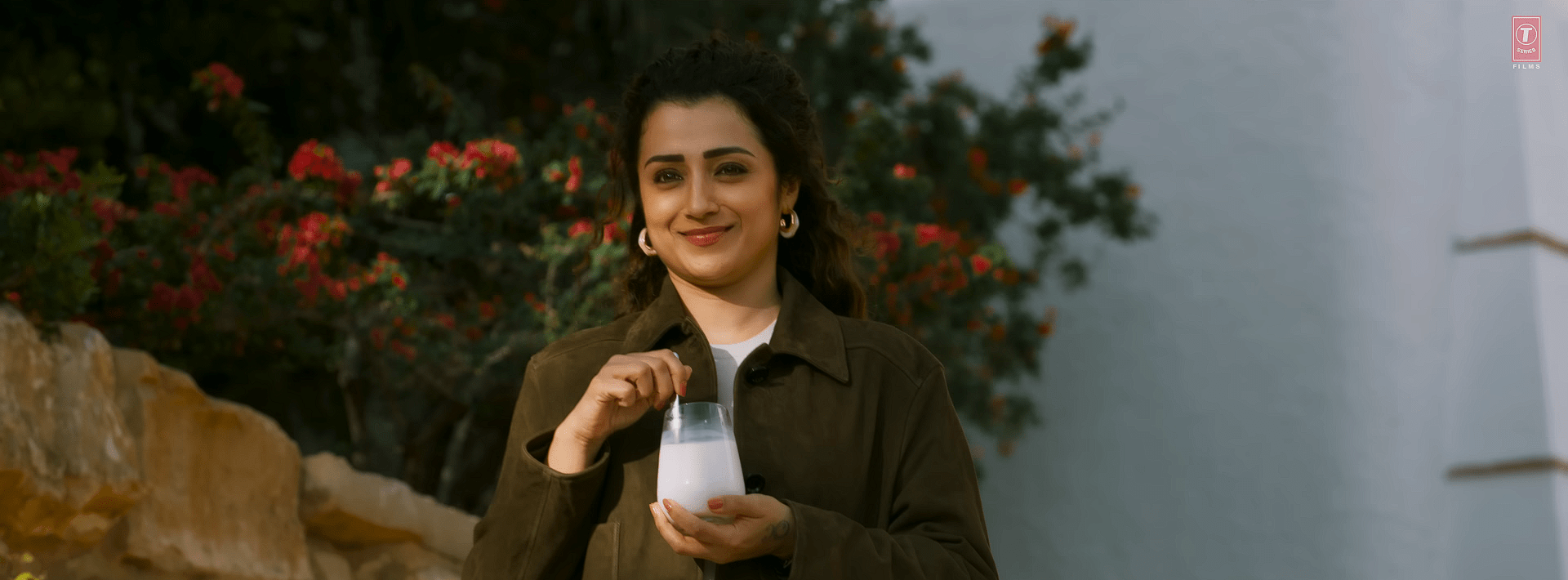
I’ve seen fan service used playfully, even effectively. Here, it feels like an overbearing obligation. The director’s admiration overshadows craft. Instead of designing meaningful scenes, the film settles for attitude shots, swagger moments, and exaggerated praise delivered by side characters whose sole purpose is to glorify the lead.
The result is an exhausting loop of posturing with no narrative reward.
A Single Set, Endless Gunshots, and an Overdose of Old Songs
What makes the film even more monotonous is its reliance on the same visual and audio beats. Most sequences unfold in a limited set, and almost every action moment revolves around a gun pointed at yet another disposable enemy. The repetition becomes mind-numbing.
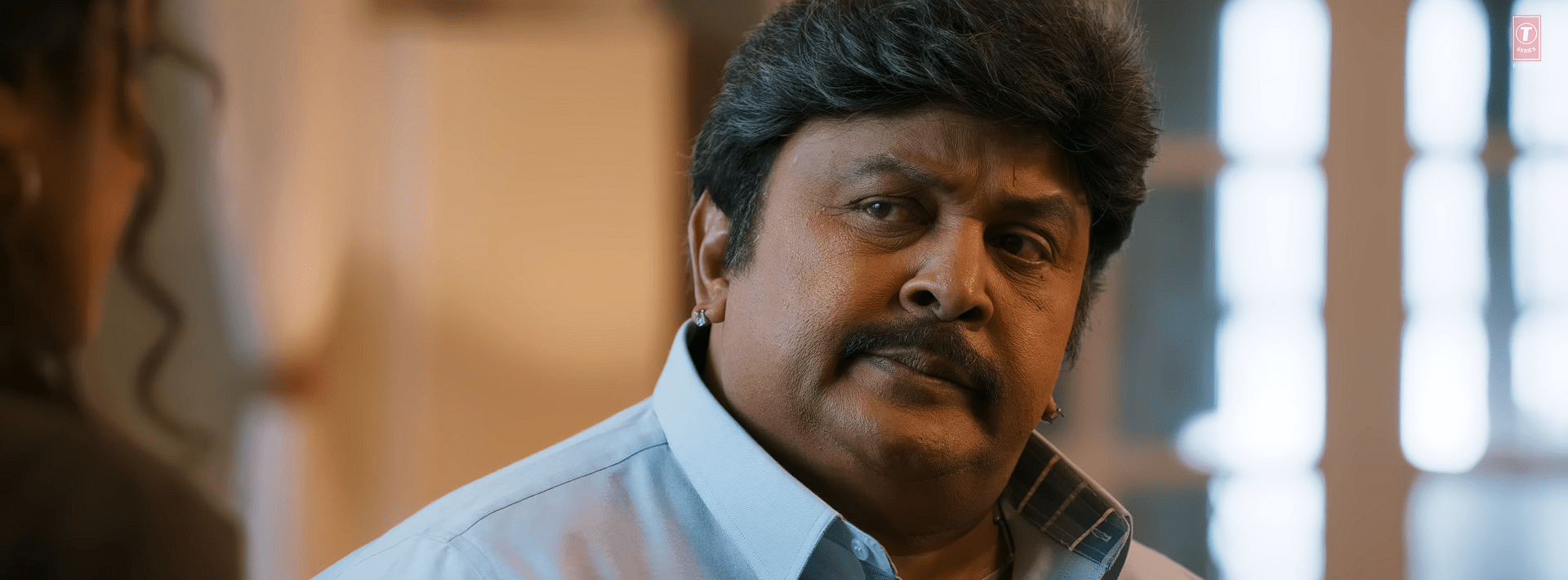
And then come the old songs – dozens of them. I can appreciate nostalgia when it emerges organically from the story. But here, old tracks are thrown in continuously, many of them in full. As I watched, it almost felt like I had boarded a mofussil bus heading toward the outskirts, with vintage melodies playing back-to-back on a tired speaker.
The screenplay never justifies these inclusions. They feel like shortcuts for emotional impact, used because the film cannot generate emotion on its own.
Comedic Relief Arrives Unintentionally
Around the film’s climax, Yogi Babu appears. His cameo was positioned like a lucky charm moment, almost as though the makers believed his presence alone could salvage the film’s fortunes. The line delivery, lip-sync issues and all, passes by in seconds. But the irony of this superstition – “if Yogi Babu comes, the movie will run” – made me chuckle more than the film intended.
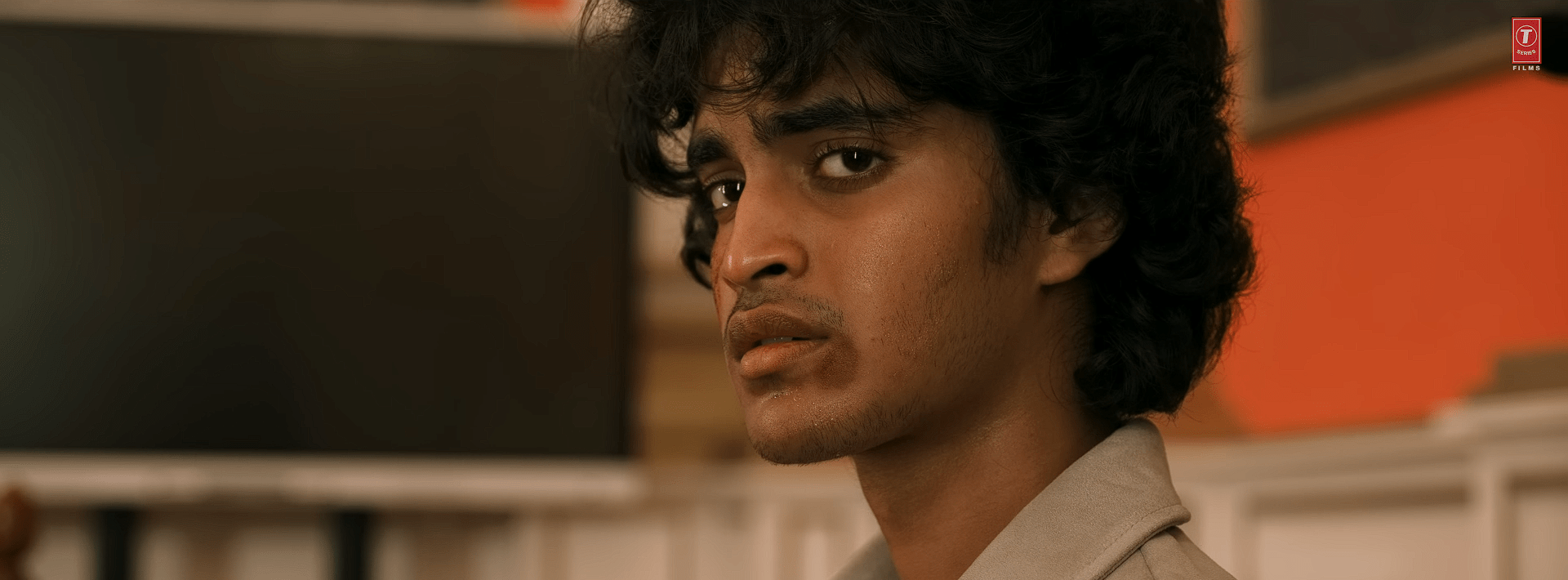
Even outside the theatre, the humour extended to social media. During the film’s action blocks, when I opened Twitter, I found fanbases in full swing. Vijay fans posted, “I am a Vijay fan. Still, this movie is AK’s comeback. The movie is superb. I liked it.” Ajith fans countered with blunt honesty: “We ourselves can’t watch this movie. You people are giving false hype. Whatever you do, you won’t get our vote.”
That online banter was genuinely more entertaining than several scenes in the movie.
A Vintage Promotion That Delivers Only Oldness
Before release, promotions promised that Good Bad Ugly would be “next level,” “a fanboy moment,” even “vintage.” But the final product feels vintage in the most literal way possible – everything about it is old. The title is old. The supporting cast features familiar names like Trisha, Simran, Tinnu Anand, Jackie Shroff, and Arjun Das, but the narrative gives them little to do. The soundtrack is a collection of old songs. The storytelling style, too, is a relic of an era when star worship could pass for cinema.
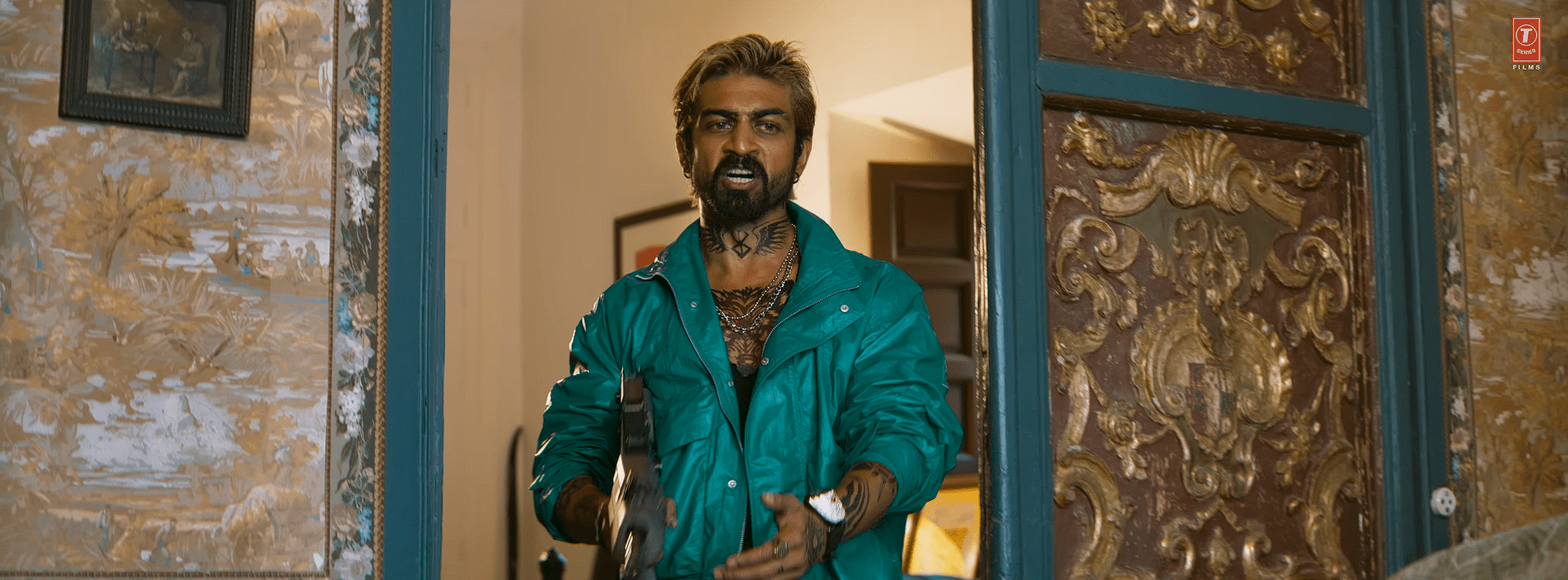
Instead of reinterpreting old-school aesthetics with modern sensibilities, the film assembles fragments of nostalgia and stitches them into something new only in technicality. Emotionally, visually, and narratively, it remains stuck in the past.
Final Verdict
Good Bad Ugly had the potential to be an engaging emotional drama about fatherhood and redemption, but it becomes a hollow celebration of heroism without the storytelling needed to support it. With a wafer-thin screenplay, excessive fan service, overused references, and an avalanche of old songs, the film loses every opportunity to create something meaningful.
Rating: 1.5/5