When I walked into watch Dude, directed by Keerthiswaran, I was ready for a breezy drama built on youthful charm, emotional conflict, and a classic Tamil cinema sensibility. What I encountered, especially in the first half, reminded me of the clean-hearted narrative energy we once found in early Bhagyaraj films – but the second half left me watching a movie that knew how to start but didn’t quite know how to land. Still, there is a peculiar fascination in how Dude moves: flawed, confused, frequently messy, yet undeniably watchable.

A Childhood Bond That Spirals Into Chaos
The film’s emotional foundation rests on a simple but delicate premise. Sarathkumar plays a respected minister, a man of stature whose family is bound by both affection and responsibility. His daughter – the film’s heroine – has grown up alongside her cousin, the minister’s sister’s son, who plays our hero. Their childhood closeness naturally matured into a deep friendship. But as the heroine’s affections turn into romance, the story takes its first big turn.
Her sudden proposal catches the hero completely off guard. He rejects her, not out of cruelty but out of emotional honesty: “I don’t have that kind of feeling for you.” Humiliated and heartbroken, she walks away. And ironically, that is the moment the hero begins to realize that love has quietly taken root inside him. By the time he decides to confess, a shocking twist reshapes everything he expected.
This setup had all the right pieces for a gripping emotional drama – and for the most part, especially in the first half, Keerthiswaran handles it quite effectively.
- A Childhood Bond That Spirals Into Chaos
- A First Half That Pulls You In Like Classic Tamil Cinema
- When the Film Forgets Where It Was Going
- The Performances That Hold the Film Together
- Sarathkumar – Commanding, Emotional, Outstanding
- Pradeep Ranganathan – Perfectly Cast and Deeply Effective
- The Anti-Sentiment Angle and Why It Doesn’t Fully Work
- Final Thoughts
A First Half That Pulls You In Like Classic Tamil Cinema

What pleasantly surprised me was how Dude begins with a light, almost playful tone before gradually shifting into a more intense narrative rhythm. There’s an earnest charm in how the film builds tension, layers conflicts, and allows small twists to snowball into bigger emotional stakes. By the time the interval arrives, I genuinely felt that old-school cinematic engagement – the kind Bhagyaraj mastered: simple staging, human emotions, and a strong sense of connection to the characters.
The first half ends grippingly, almost deceptively well. I was settled in, convinced I was watching a film that had its narrative compass firmly in place.
But then comes the second half.
When the Film Forgets Where It Was Going
There’s no better metaphor for the film’s latter portions than the one already embedded in the original writing: a person learning to ride a bicycle. In the beginning, the pedaling is steady, the confidence is high. But halfway through, the feet keep moving even as direction, balance, and purpose evaporate. Dude keeps circling without knowing how to slow down, get off, or make it meaningful.
The second half suffers from:
A confused heroine characterization:
Her moral center is unclear. Is she caring? Is she firm in her decisions? Does she crumble under pressure? The film never commits to shaping her personality, and the inconsistency weakens every emotional payoff she’s supposed to deliver.
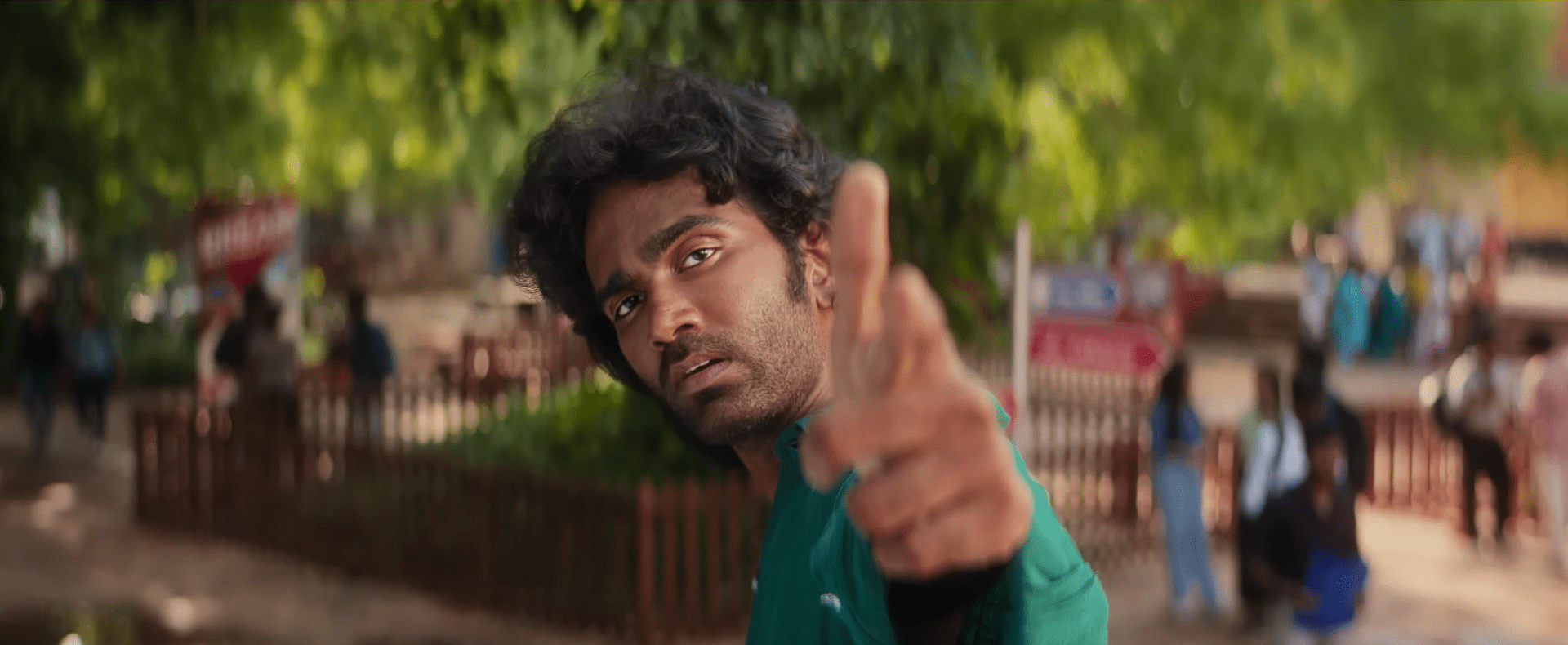
The mysterious but poorly designed Paari:
The story revolves heavily around Paari, but the writing refuses to explain even the basics:
Who is he? What motivates him? Where does he come from? Where does he stay? Who is supporting him? The director simply pushes the character onscreen and expects the audience to accept his presence without question. And for a story that depends on his involvement, that is a major misstep.
Overloading everything onto the hero:
Every conflict – emotional, moral, situational – gets tossed onto the hero’s shoulders. Problems appear as if an unseen hand is hurling them one by one, and the film relies too heavily on his reactions rather than story progression.
A climax that feels forced and mismatched:
When the climax arrives, it feels less like a natural conclusion and more like a rushed afterthought. Someone almost seems to say, “Here, take this – this is the climax,” and drops it on the audience. It neither satisfies emotionally nor justifies the narrative journey.
Despite all that, there is one undeniable truth: the movie never becomes boring. Even at its weakest, it maintains an easy forward momentum, avoiding unnecessary drag. That alone keeps the experience tolerable even when the writing wobbles.
The Performances That Hold the Film Together
Surprisingly, two performances manage to overshadow all the film’s narrative cracks.
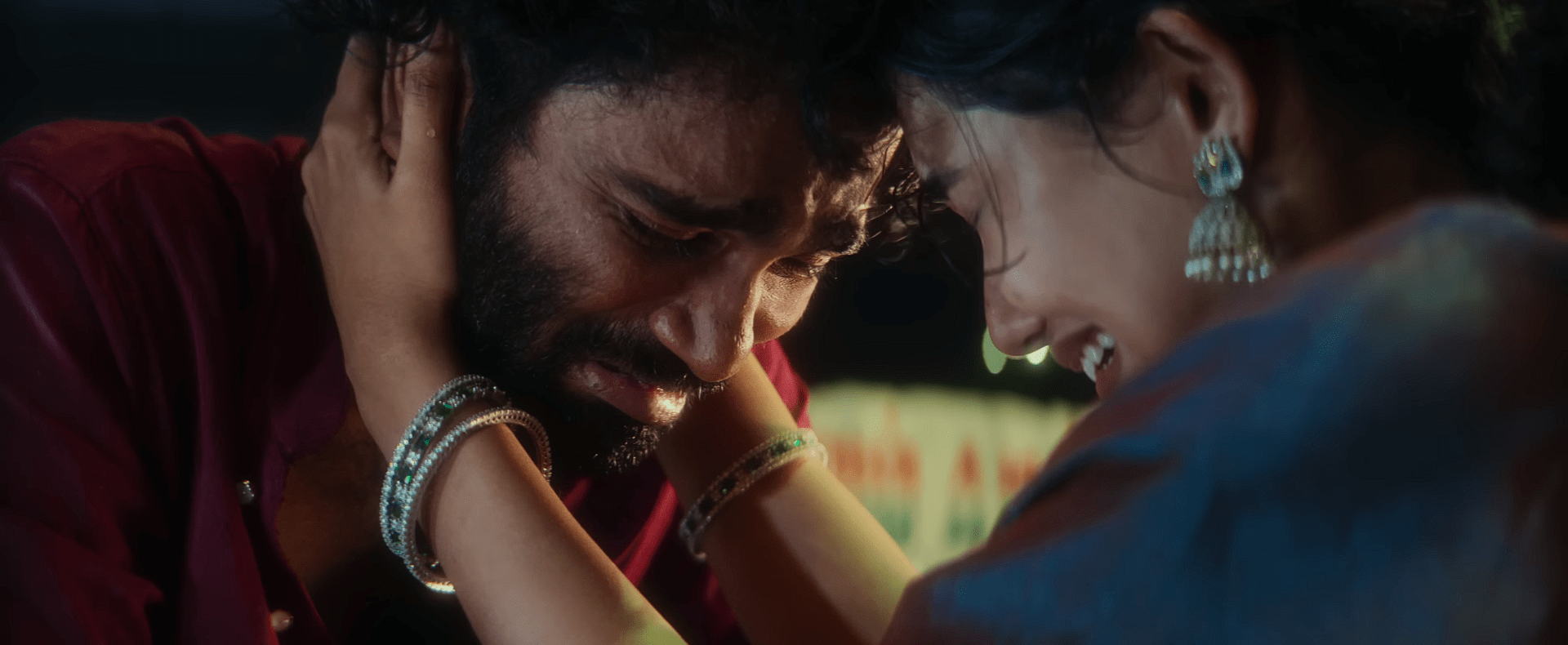
Sarathkumar – Commanding, Emotional, Outstanding
His characterization is easily one of the film’s biggest strengths. Whether it’s the authority he carries as a minister or the emotional depth in his flashback moments, Sarathkumar delivers a performance that elevates even weakly written scenes. He grounds the film.
Pradeep Ranganathan – Perfectly Cast and Deeply Effective
I found myself agreeing wholeheartedly with the sentiment embedded in the original writing: no one else could have played this role the way Pradeep did. He brings a charming awkwardness, bursts of sincerity, and a surprisingly impressive emotional range that holds the movie together even when the screenplay falters.
Their performances are the film’s most reliable pillars.
The Anti-Sentiment Angle and Why It Doesn’t Fully Work
Some viewers dismissed Dude outright, calling it “a wrong story.” But the truth is more nuanced. Tamil cinema has a long tradition of “anti-sentiment” stories – unconventional love triangles, morally grey situations, emotional betrayals – and legends like Bhagyaraj handled such narratives with finesse. The right anti-sentiment story can push boundaries and still convince the audience with a satisfying climax.
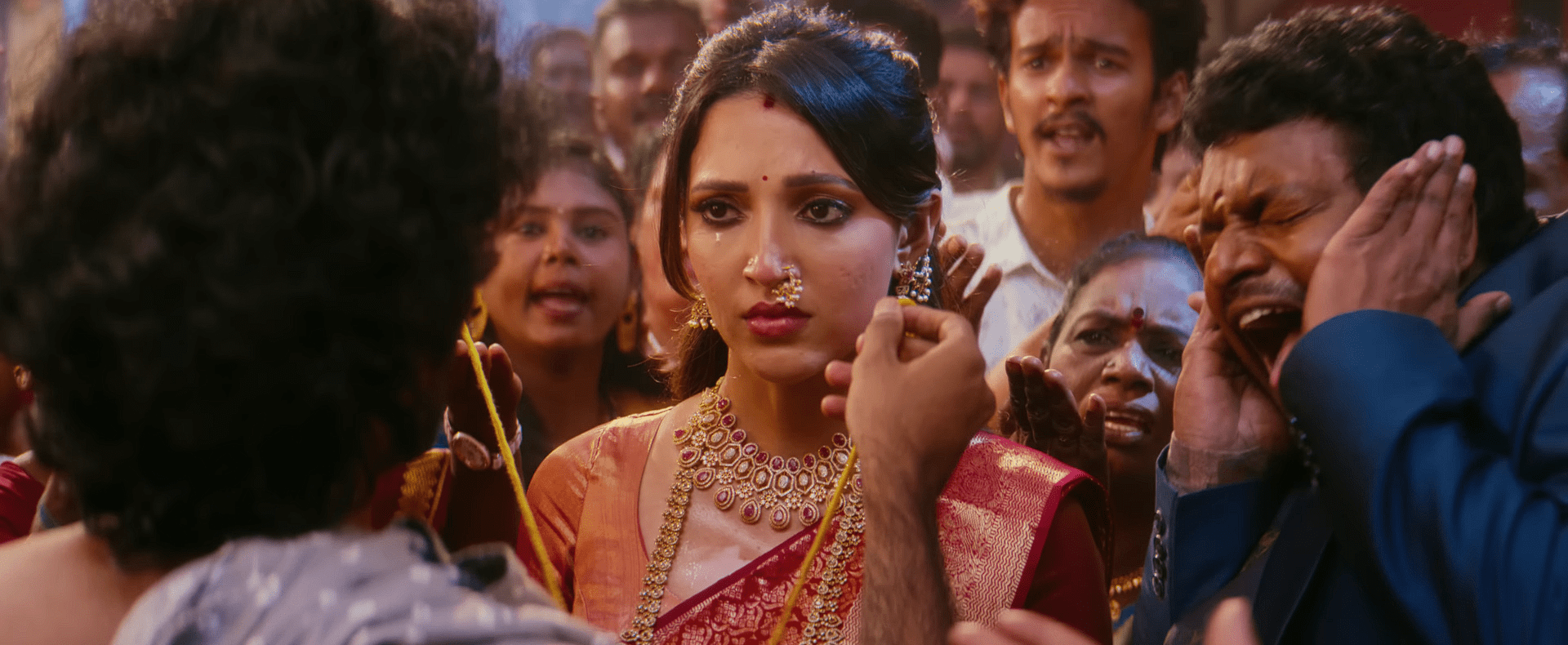
Dude attempts this tradition but falls short because it doesn’t deliver that crucial sense of closure. Without a convincing ending, the emotional weight gets lost. Still, the film manages to keep audiences seated through clever pacing, small narrative tricks, and moments carefully designed to resonate, especially with younger “2K kids.”
And interestingly, for viewers sensitive about films “breaking family values,” Dude might actually offer some unexpected comfort. Its family dynamics, though chaotic, never feel malicious.
Final Thoughts
Dude is a film filled with promise, strong performances, and a genuinely engaging first half. What holds it back is a messy, underdeveloped second half that loses its narrative discipline. Yet it never bores, never drags, and never becomes unwatchable. For younger audiences seeking emotional drama with a modern edge, it will work surprisingly well.
Rating: 2.5 out of 5