When I walked into the theatre to watch Diesel, directed by Shanmugam Muthusamy, I expected a grounded, rustic action drama rooted in the lanes of North Chennai. What I didn’t expect was how unapologetically the film leans into its world of crime, community politics, and emotional conflict – creating a mainstream entertainer packed with morally layered decisions. In this review, I explore how the film’s storyline unfolds, what worked for me as a viewer, and where I felt the film could have sharpened its punches.

A World Built on Protest, Poverty, and Pressure
The film opens in the familiar yet cinematically magnetic North Chennai fishing zone, instantly drawing me into its atmosphere of salt-laden air, crowded boats, rough tides, and a community constantly living on the edge of survival. The government’s plan to bury massive pipeline structures hits this community like an earthquake. The fishermen fear – rightfully – that their livelihood will vanish the moment the project begins, and their frustration simmers until it grows into a full-fledged public protest.
This stretch, at least for me, is one of the most engaging parts of the narrative because the film refuses to treat the fishermen as background props. Instead, it shows their anger, anxiety, and desperation. The protest is not just a shouting match; it’s a fight for existence. And when a group of locals leads the struggle, two of them are suddenly taken away, creating a chilling reminder of how quickly helplessness can overwhelm a community with no political backing.
Among the protest leaders is P. Sai Kumar, the man who eventually becomes the central axis around which the entire film revolves. His decisions – morally twisted yet emotionally understandable – fuel the film’s core conflict.

A Desperate Plan: Steal the Oil, Save the People
The film shifts gears when Sai Kumar recognizes a bitter truth: “We cannot win by fighting them. We must take a different route.” This line is not just dialogue; it becomes the thematic foundation of Diesel. From this moment onward, the film enters a darker, more emotionally layered territory.
With the government pipelines running close to the fishing area, Sai Kumar discovers a dangerous but profitable opportunity. He begins extracting crude oil directly from the underground line, selling it in secret markets, and diverting the money to uplift the same community that society had chosen to ignore.
I found this choice fascinating because it places Sai Kumar in a morally grey zone. He becomes both a savior and a smuggler – a man who breaks the law but believes he is doing it for a noble cause. This is where the film scores: it doesn’t paint him as a villain or a spotless hero. Instead, it allows the audience to wrestle with his ethics.

As these operations continue, Sai Kumar slowly transforms from a mere fisherman to a local kingpin, someone whose influence stretches across fences, alleys, and illicit networks. Yet he never forgets the community that made him who he is.
And supporting him through every risky venture is his foster son, the adopted child who later emerges as our film’s protagonist.
The Hero Steps In: Loyalty Meets Authority
The hero’s relationship with Sai Kumar is the emotional backbone of Diesel. Their bond isn’t a typical father-son dynamic. It’s built through shared struggles, silent promises, and years of standing on the same side of danger. I liked how the film doesn’t rush into defining their connection. Instead, it allows their bond to appear naturally through gestures, conversations, and mutual trust.

Just when Sai Kumar’s empire appears unstoppable, trouble arrives. A dangerous legal threat surfaces – a case that puts Sai Kumar’s entire operation under scrutiny. And like any self-made underdog who knows the system is never fair to people from his side of the city, Sai Kumar decides to run. He wants to escape the case before the law clamps down on him.
But can the hero watch his foster father walk into danger alone? The film answers this with a resounding no.
The hero leaps into the conflict, not out of blind loyalty but from love, anger, and the fierce need to protect the man who raised him. When he steps into the field to take control of the situation, the narrative escalates into a fusion of action, emotion, and tense confrontations.
This is where the film finds its true cinematic rhythm.
High Stakes, Fast Turns, and a Strong Emotional Core
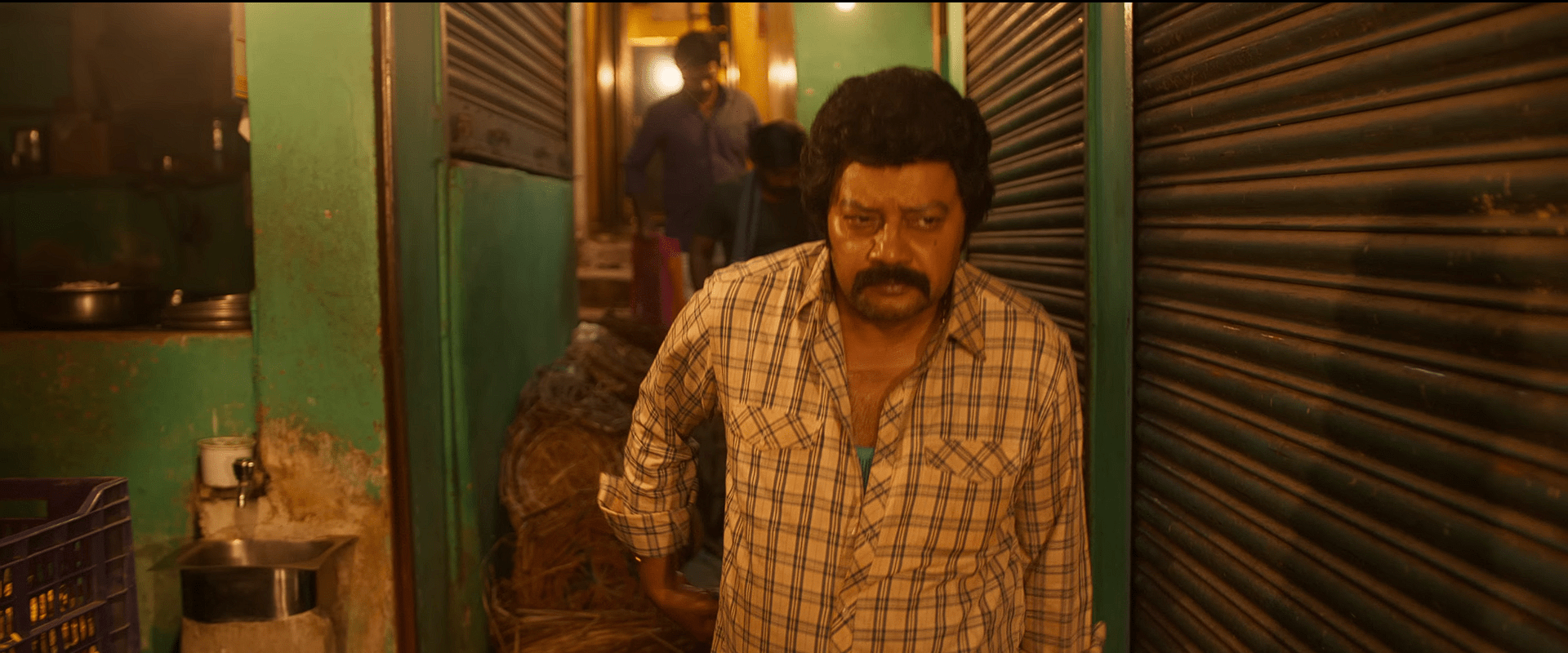
The final act of Diesel is driven by a combination of adrenaline and sentiment – something I personally enjoyed. The hero begins navigating the dangerous world that Sai Kumar had been managing for years. Rival groups emerge, political pressures intensify, and the legal heat grows. The film pushes the protagonist into increasingly risky situations, testing his loyalty and decision-making.
The question becomes not just “What happens next?” but “How far can loyalty be stretched before it begins to tear apart?”
From action blocks to dramatic confrontations, the film maintains pace and tension. I felt the screenplay, although occasionally uneven, tries its best to balance emotional storytelling with mass-movie elements. Some sequences feel designed purely for theatrical effect, but they never overshadow the heart of the story – the bond between the hero and Sai Kumar.
Performances, Direction, and What Stands Out
Shanmugam Muthusamy’s direction attempts to present North Chennai not as a stereotype but as a lived-in space. The authenticity of the locations and the earthy tone of the cinematography help the film stand grounded. The plot – built entirely around your provided writing – remains simple yet impactful.

Sai Kumar’s character arc remains one of the film’s strongest features. His transformation offers emotional weight. The hero, too, shines the most when he is torn between righteousness and loyalty. Their chemistry elevates the tension and gives the film a soul.
Final Thoughts: A Rugged Crime Drama with Heart
Diesel blends social commentary, crime drama, and emotional storytelling into a gritty cinematic package. While the film occasionally dips into predictability, its core themes – community survival, father-son loyalty, and the moral confusion of doing wrong for the right reasons – kept me invested throughout.
If you enjoy intense dramas rooted in realism, layered characters, and morally challenging decisions, Diesel offers plenty to appreciate.
Rating: 3.5/5