I have always believed that horror cinema works best when the craft and the writing operate in harmony. Diés Iraé, directed by Rahul Sadasivan, arrives with the confidence of a film that knows its technical strengths, yet struggles to justify its narrative. As I settled into its ominous world, I realised very quickly that the film relies heavily – almost entirely – on its making rather than its story. And that became the central push-and-pull that defined my experience.

A Setup Rooted in Shock and Sudden Supernatural Chaos
The story introduces the hero as a carefree, playboy-type young man who seems more occupied with nightlife than emotional depth. During a party, a friend approaches him and casually drops a bombshell:
“That girl we studied with, she died two days ago, man. She committed suicide. Shall we go and see tomorrow?”
The hero’s stunned expression sets the initial tone. The next day, both men visit the girl’s home, pay their condolences, and quietly leave. What follows is the real propulsion of the narrative – strange, unexplainable, escalating supernatural events that erupt inside the hero’s house. His attempt to investigate what these occurrences mean becomes the supposed spine of Diés Iraé.
On paper, it is a classic horror setup. But in execution, the screenplay repeatedly undermines its own potential.
A Film Carried by Hype and Technical Brilliance
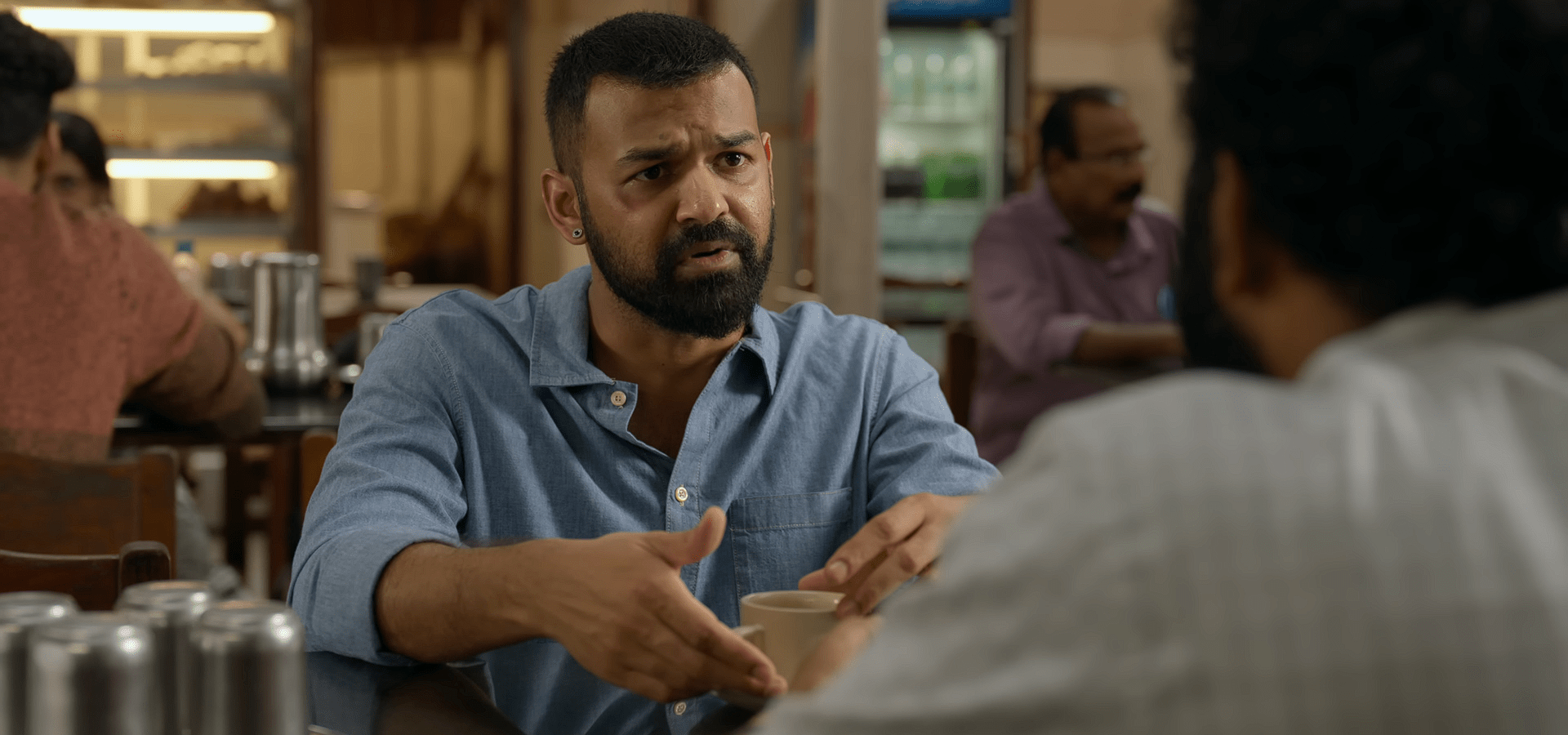
The movie released with sizeable expectations. It became notable for being the first Malayalam film to premiere as a paid release on the very night of its launch, extending its reach even to Chennai. I watched it with great curiosity, and to be fair, the audience seemed entertained. However, the enthusiasm in the theatre did not necessarily belong to the story – it belonged to the making.
And that is where the film reveals both its strength and its weakness.
The cinematography is atmospheric, the sound design is meticulously layered, and the music heightens tension with precision. Even the VFX, which many regional horror films often struggle with, is convincingly executed. On a pure technical level, Diés Iraé looks and sounds like a polished supernatural thriller.
But the deeper I went, the more the craft felt like a glossy mask placed over an underdeveloped skeleton.
A Hero Who Does Nothing and a Ghost With No Purpose
The writing introduces fundamental issues with character design. In any film – especially horror – the hero and the antagonist are the most crucial figures. Here, neither feels meaningfully constructed.
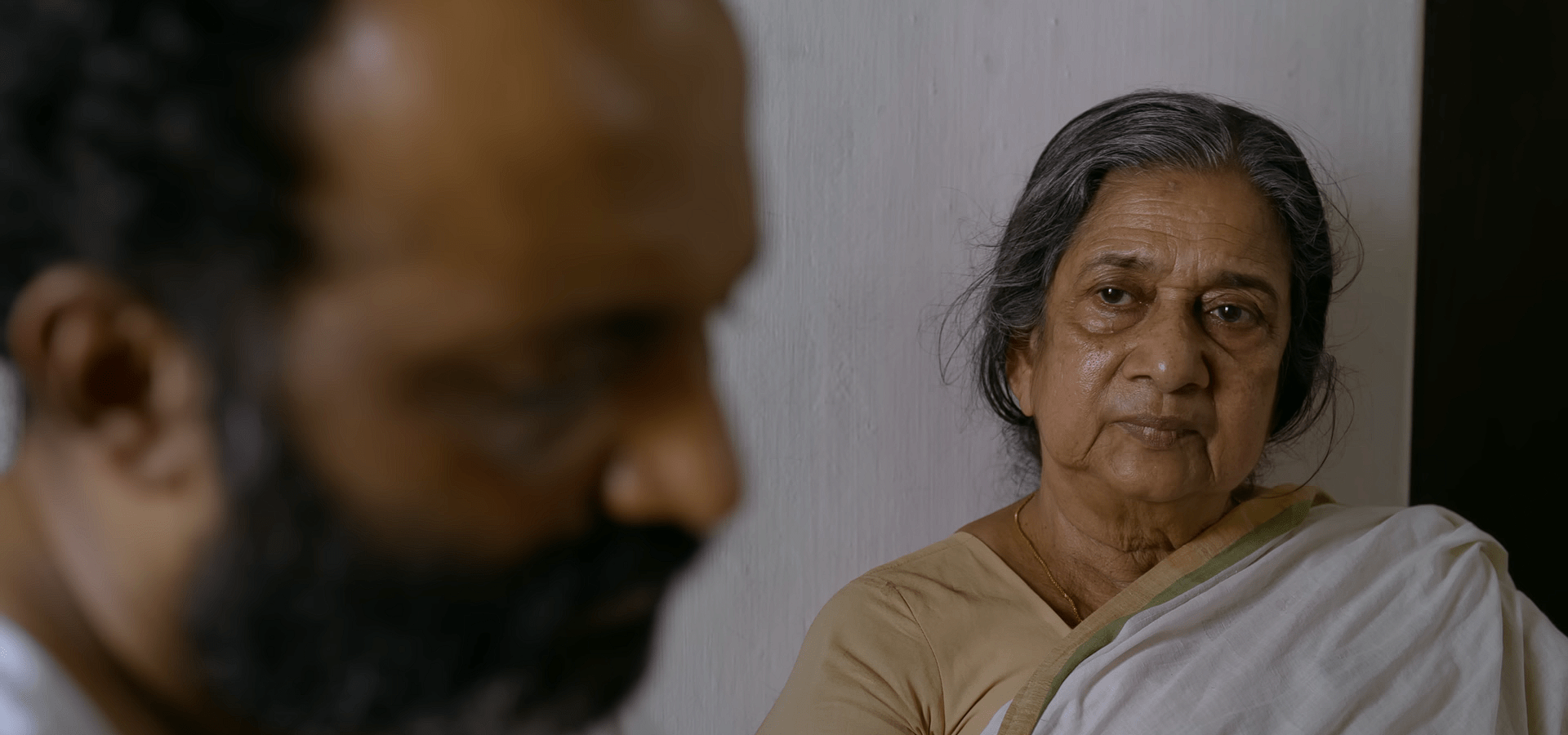
The hero’s actions are bafflingly minimal. His primary solution to danger is simply to book a flight and attempt to flee town. For most of the runtime, he is reduced to a passive spectator while the actual insights come from an unexpected source: a contractor who lives next door to the haunted house. It is this man – not the protagonist – who offers ideas, suggestions, and direction.
It results in a hero who is written out of his own narrative, and that significantly reduces engagement.
On the other side is the “villain” – the ghost. But what exactly does this ghost want? Is it seeking revenge? Is it killing indiscriminately? Or is it merely wandering around to frighten people? The film never clarifies this. The ghost appears suddenly, bites the hero’s hand, then vanishes without explanation. In another instance, the hero is ready to cut the ghost’s leg, yet the ghost simply lies there quietly. The behaviour feels inconsistent, as if even the supernatural entity is unsure of its motives.
The ambiguity is not artistic; it is simply unclear.
And then there is the younger brother’s death. The film offers no reason for why the ghost targets him, leaving another hole in the narrative logic.

A Climax Built on Convenience Rather Than Cohesion
As the climax approaches, the writing becomes increasingly erratic. The events unfolding inside the house feel constructed purely for dramatic convenience rather than emotional or narrative payoff. I even noticed a familiar pattern: a sequence reminiscent of the psycho stretch in Ishaqzaade, only reversed and reinterpreted.
This creative borrowing is not inherently a flaw, but the way it appears – abruptly and without thematic justification – makes it feel more like a patch than a piece of storytelling.
Despite all these flaws, I must acknowledge that I still sat through the film comfortably. And the reason was simple: the making. The technical finesse successfully cushions the messy narrative enough for viewers to stay invested, at least visually and atmospherically.
The Trend of “Part 1” and the Universe Obsession
A recurring phenomenon in Indian cinema, not just Tamil or Malayalam, is the obsession with building “Part 1” films and promising large cinematic universes. Diés Iraé also plants the seeds of a future Part 2.
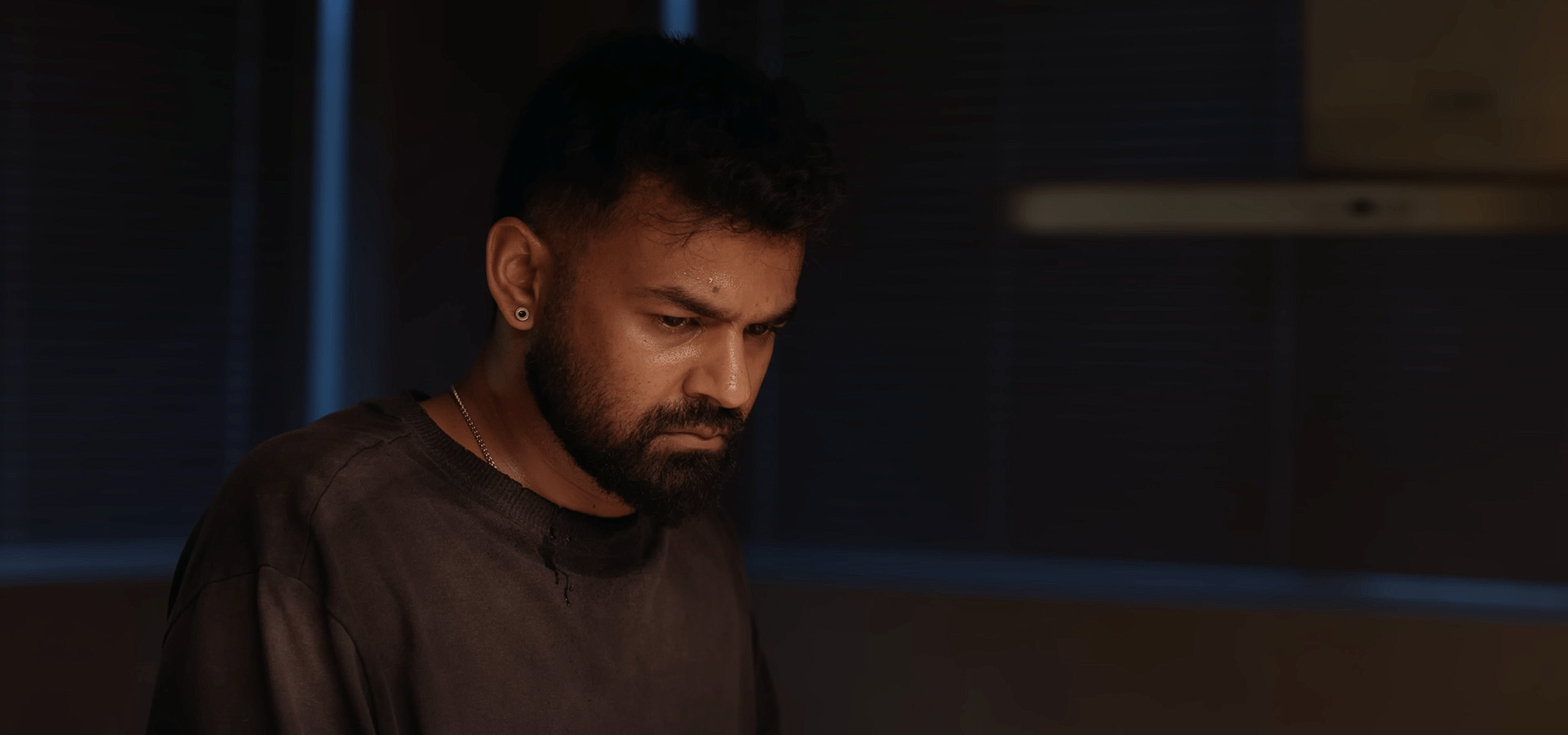
The moment a viewer questions something – What is this? Why did that happen? What does this mean? – the convenient reply becomes that the answers will arrive in the sequel. But how many such films actually get their Part 2? We have seen countless Part 1 movies that never receive continuations, leaving audiences stranded with unresolved narratives.
If Part 2 never materialises, whom should we ask?
It is a manipulative trend, and here too, the film uses it as a shield to cover its narrative shortcomings.
To add to that, the director brings a lead-in connection from his previous film, linking the ghost house’s backstory as a setup for a shared universe. Eventually, these films will likely be grouped together and labelled a “universe,” regardless of whether the earlier works were substantial enough to warrant such a grand label. It feels like an attempt to glue disparate stories together and present them as something bigger than they are.
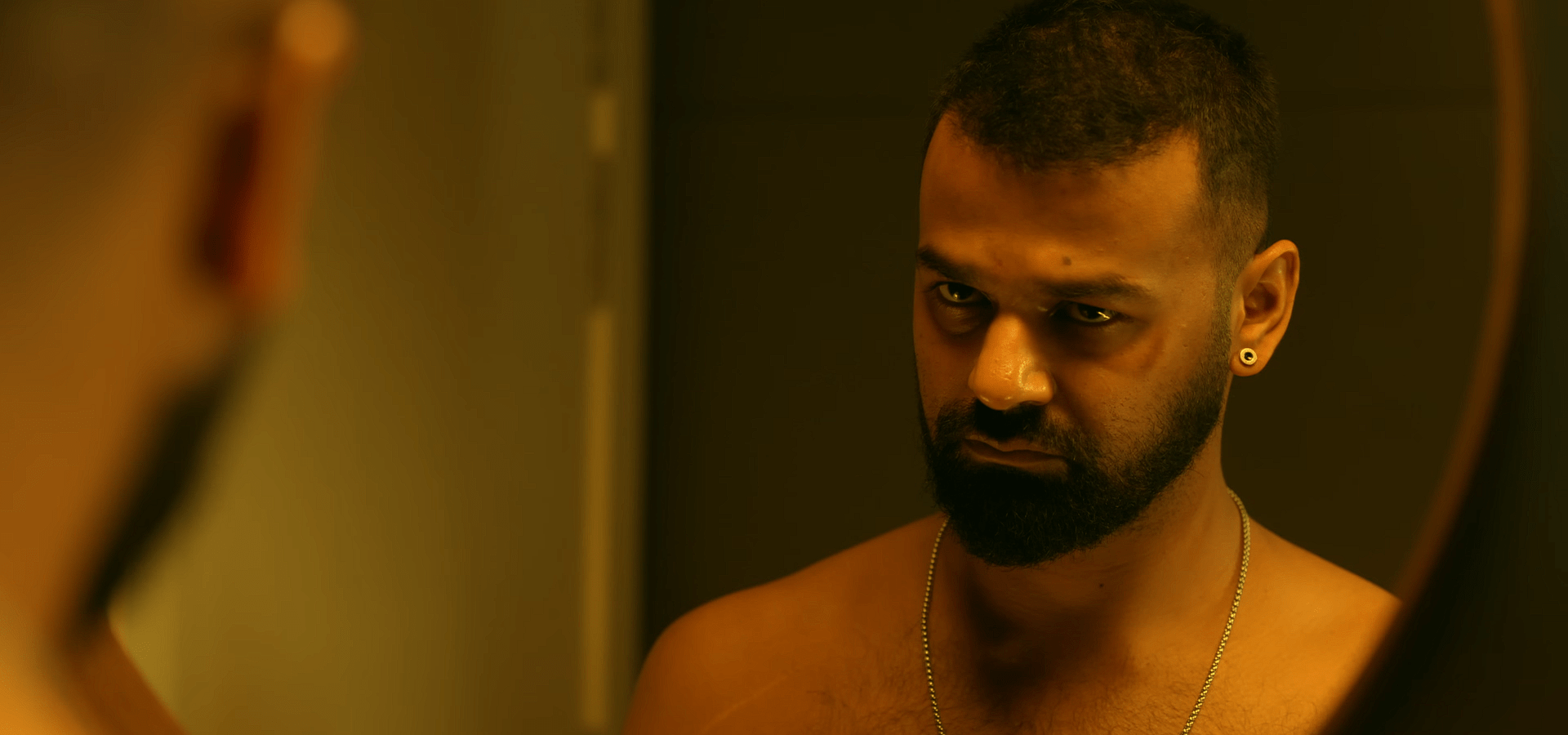
A Well-Made Film Trapped Inside Weak Writing
At the end of it all, I would call Diés Iraé a high-quality low-quality film – a film that shines technically but collapses narratively. Watching it in a theatre with strong sound and controlled lighting does elevate the experience, but the cracks in the writing remain impossible to ignore.
Still, if someone values craft over coherence, this film could feel “okay” and even enjoyable on a sensory level.
Rating: 2.5/5