I walked out of the theatre after watching Dhurandhar with my mind racing, my pulse still adjusting itself, and my thoughts trying to keep pace with the sheer intensity I had just witnessed. I had gone in excited, but I came out overwhelmed – in the best possible way. The film arrived with massive expectations, thanks to its star-studded cast featuring Ranveer Singh, Akshaye Khanna, R. Madhavan, Arjun Rampal, and Sanjay Dutt, all under the direction of Aditya Dhar, the man who previously delivered Uri: The Surgical Strike. And yet, what I experienced was something far more layered, bold, and unconventional than I had anticipated.
Aditya Dhar has directed only two Hindi films in his entire career – Uri in 2019 and now Dhurandhar – with a third reportedly coming soon. This rarity in itself adds intrigue to his artistic choices. But in Dhurandhar, he attempts – and successfully delivers – something Hindi cinema rarely attempts on this scale: a grounded, emotionally raw, politically steeped thriller that refuses to spoon-feed or glamorise its material.
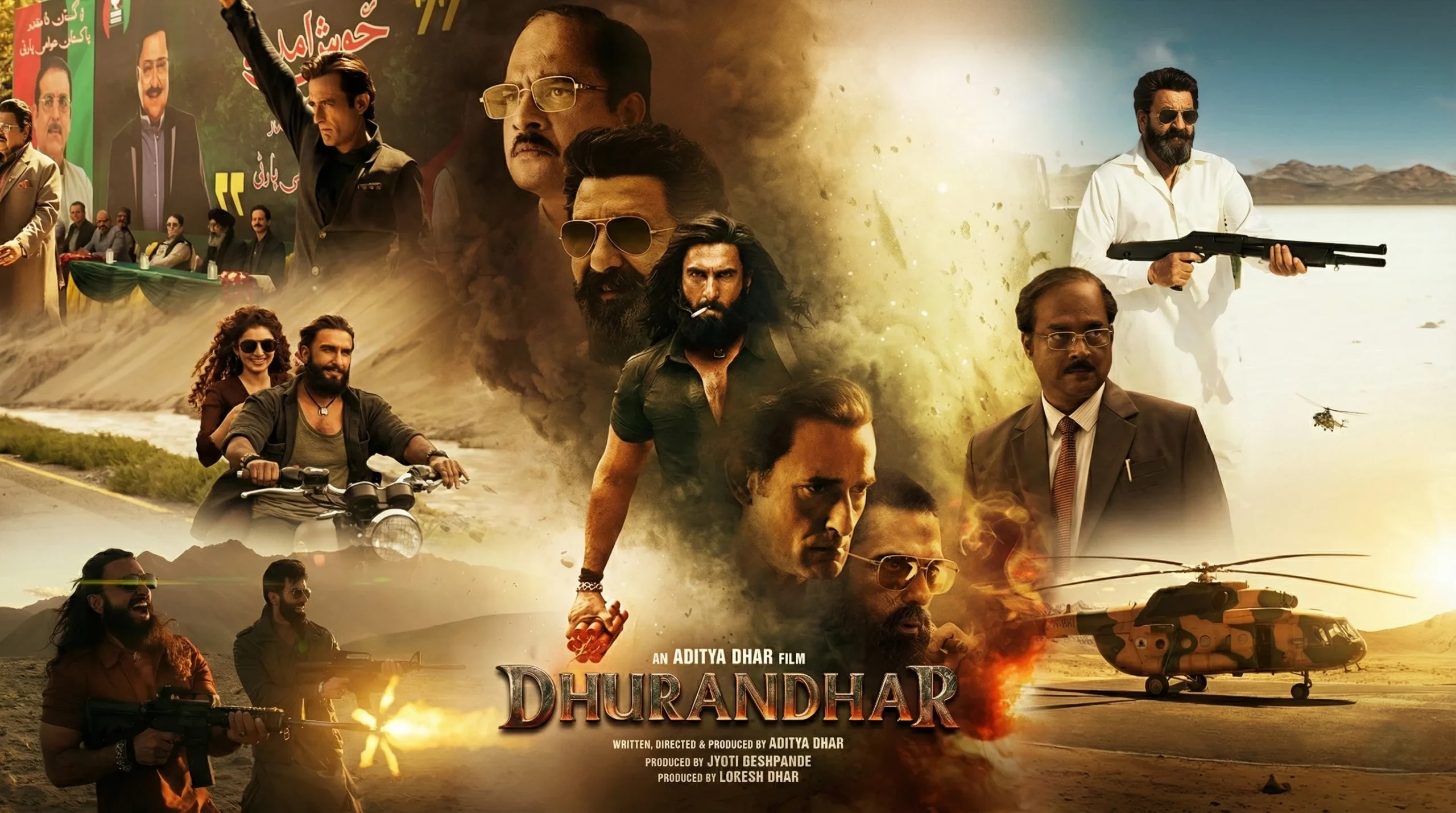
What follows is my completely fresh, raw, and honest review, expanding on every feeling, confusion, excitement, and revelation that unfolded through the film’s massive 3-hour-34-minute runtime.
A Two-Part Saga: The Rumour, the Reality, and the Impact
Before stepping into the theatre, I had already encountered a storm of rumours surrounding the film. The biggest one was that the makers had decided – at the very last moment – to split Dhurandhar into two parts. According to the reports, the team had nearly seven hours of filmed material. Initially, they intended to compress it into a single three-hour film, but ultimately concluded that the narrative needed more breathing space. So instead of trimming the soul out of it, they expanded its vision.
I remember feeling slightly betrayed when I first read the rumour. Was this going to be another cash-grab split, a strategic studio move to maximise profits by artificially stretching the story? It has happened before, and audiences are getting increasingly wary of it.
But after watching Dhurandhar, my perspective changed.
Yes, the film is officially split into two parts.
Yes, this first instalment stands at 3 hours and 34 minutes, breaking a 17-year record for the longest Hindi film released theatrically in one go.
But no, it does not feel stretched for the sake of stretching.

The story being told here is long, dense, and multi-layered. If they had squeezed it all into one film, it would have either become disorienting or compromised. Instead, this first part delivers a complete dramatic arc while still ending with the promise – and hunger – for more.
I left the theatre convinced:
The split wasn’t greed; it was necessity.
- A Two-Part Saga: The Rumour, the Reality, and the Impact
- Inside Karachi’s Lyari Town: A World Built Like a Chessboard
- A Runtime That Feels Bold, Purposeful, and Surprisingly Effective
- Performances: A Masterclass Ensemble That Rarely Happens in Mainstream Cinema
- Violence, Language, and the A-Certificate: A Brutally Honest Experience
- Writing, Music, and Technical Craft: A Film That Breathes Through Its Details
- The Drawbacks: A Love Story That Overstays and Shots That Could’ve Been Tighter
- Not a Masala Film: A Warning for Certain Viewers
- Does the Two-Part Structure Work? Absolutely.
- Final Verdict: A Rare Achievement in Hindi Cinema
Inside Karachi’s Lyari Town: A World Built Like a Chessboard
What fascinated me from the very first frame was the film’s world-building. Dhurandhar drops us straight into the dark alleys and shifting loyalties of a place called Lyari Town in Karachi, Pakistan. The name may vary, but the chaos within remains consistent. The town feels like a volatile chessboard where each gang is a different piece – elephants, camels, horses, queens, kings, and pawns – each holding power, vulnerability, and purpose.
Rather than overwhelming the audience with ten character introductions at once, Dhurandhar takes a measured route.
Ranveer Singh enters this ecosystem as an Indian agent with a mission that remains unspoken but palpable. As he meets people, we meet them. As he discovers deeper secrets, we discover them too. This method not only preserves suspense but also helps us stay grounded amid a complex backdrop.
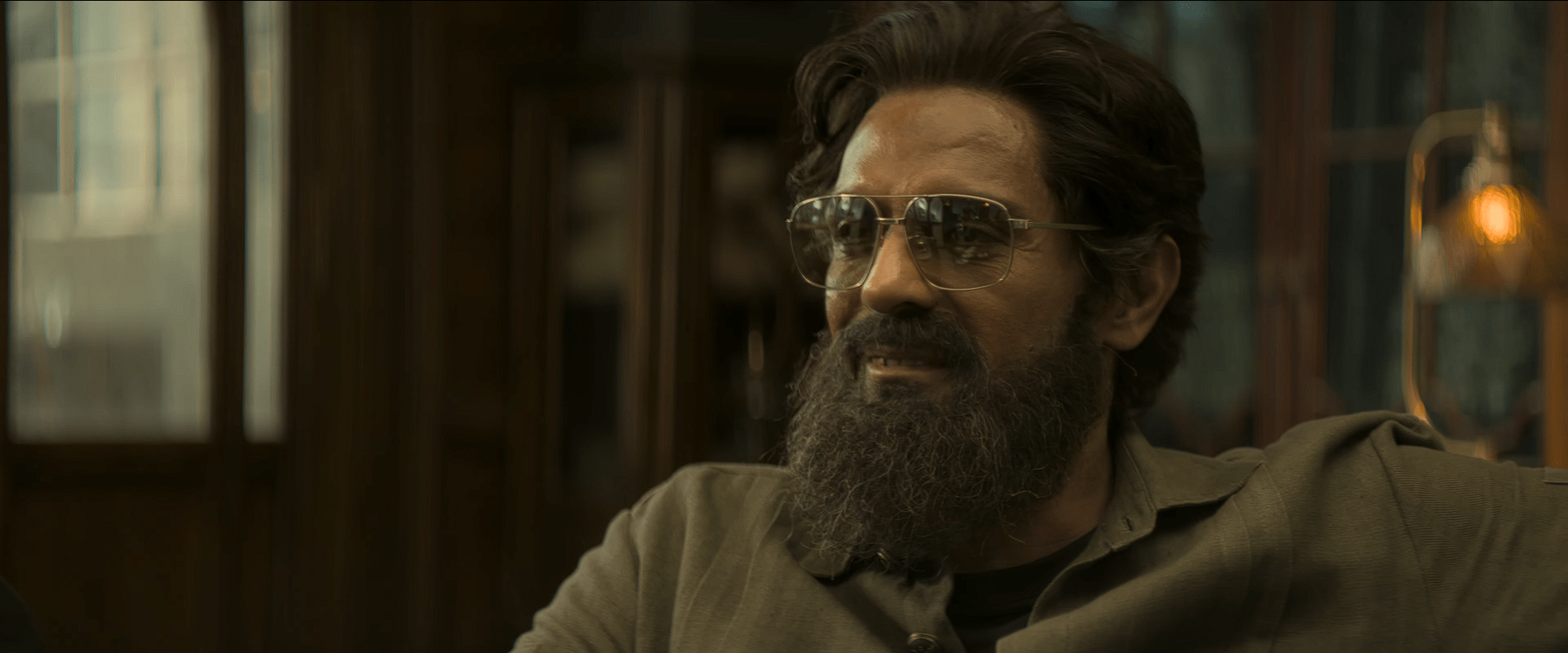
It reminded me instantly of Salaar, which also had a rich, layered fictional world with multiple gangs. But unlike Salaar, where audience members often needed multiple rewatches to fully grasp the relationships and politics, Dhurandhar maintains clarity even in its heaviest moments. I never felt lost. Instead, I felt appropriately challenged – engaged enough to keep thinking, invested enough to keep caring.
This delicate balance is one of the film’s greatest strengths.
It reveals information at the perfect pace – not too much, not too little.
A Runtime That Feels Bold, Purposeful, and Surprisingly Effective
When a film crosses the three-hour mark, especially by such a massive margin, we naturally question whether the story justifies the length. Here, the answer is yes.
At 3 hours and 34 minutes, Dhurandhar is not simply long for the sake of being long. It needs its runtime – because the story isn’t just about an undercover agent. It’s about geopolitics, decades-old wounds, gang rivalries, personal vendettas, and the invisible thread that ties Pakistan’s internal conflicts with India’s national history.
One of the most audacious creative decisions appears in the second half, where the film overlays real-life archival footage onto the fictional narrative. As I watched genuine visuals of incidents that shook India, cut between shots of the characters reacting or participating in related events, I felt a heaviness in my chest. That feeling stayed there long after the sequence ended.
There’s even a moment with nothing but audio on a red screen, accompanied by text, which catches you off guard in a deeply emotional way. How the team acquired that audio is a mystery, but its inclusion elevates the emotional and political weight of the film.
This isn’t an India-vs-Pakistan stereotype movie.
It isn’t a chest-thumping patriotic actioner.
It isn’t trying to glorify any hero.
This is a grounded political thriller – realistic, gritty, emotionally restrained, and intensely atmospheric.
Performances: A Masterclass Ensemble That Rarely Happens in Mainstream Cinema
Let me say this plainly: This film features some of the best ensemble performances I’ve seen in a big-budget Hindi movie in years.
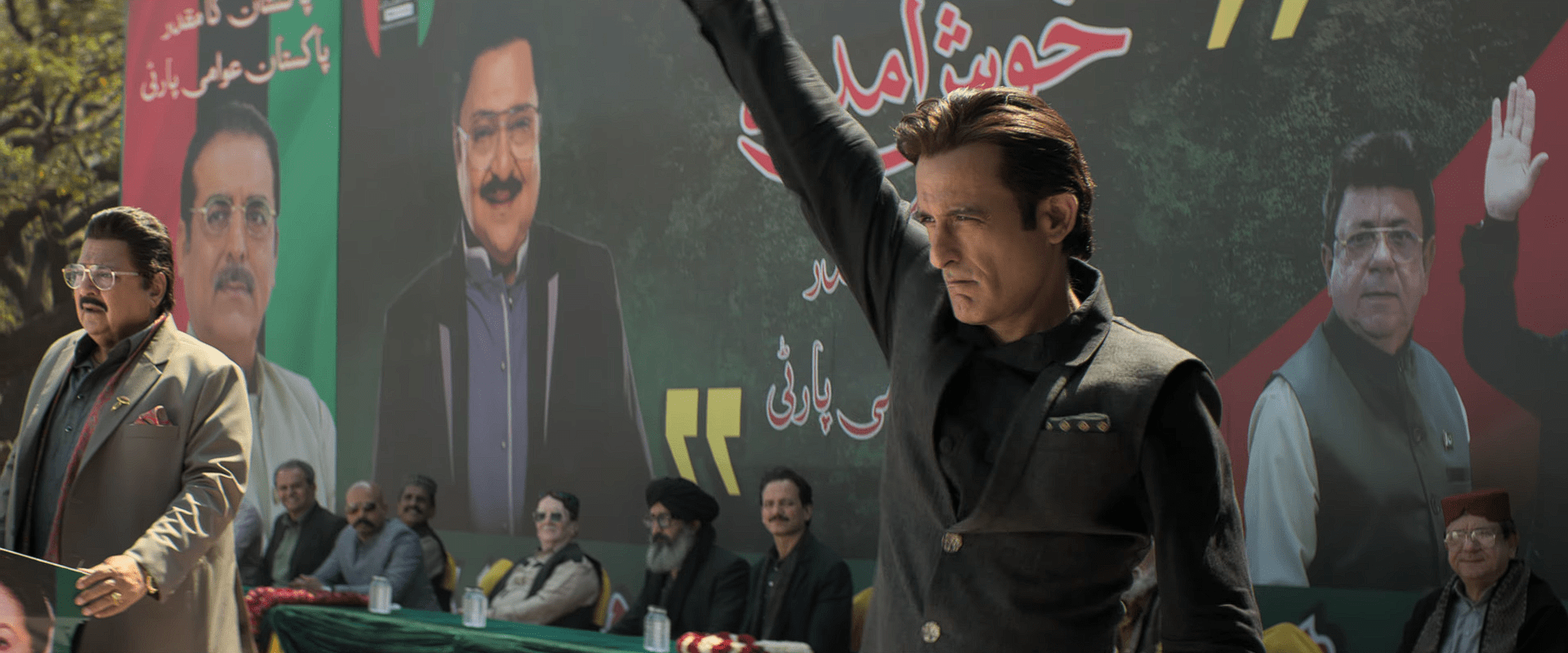
Every actor here delivers not just a performance, but a fully lived-in character.
Ranveer Singh
In a surprising and refreshing creative choice, the film never tries to glorify Ranveer. Many times, he simply stands quietly in the corner of a scene – watching, listening, absorbing. His silence becomes a performance in itself, proving that a star can be impactful without constant spotlight.
Akshaye Khanna
I don’t know where do I even begin? Akshaye Khanna doesn’t act – he hypnotises. Every gesture, pause, stare, and line delivery feels meticulously crafted yet effortlessly organic. He steals scenes without appearing to try. There are moments where I caught myself smiling purely because of how brilliantly he commanded the screen.
R. Madhavan
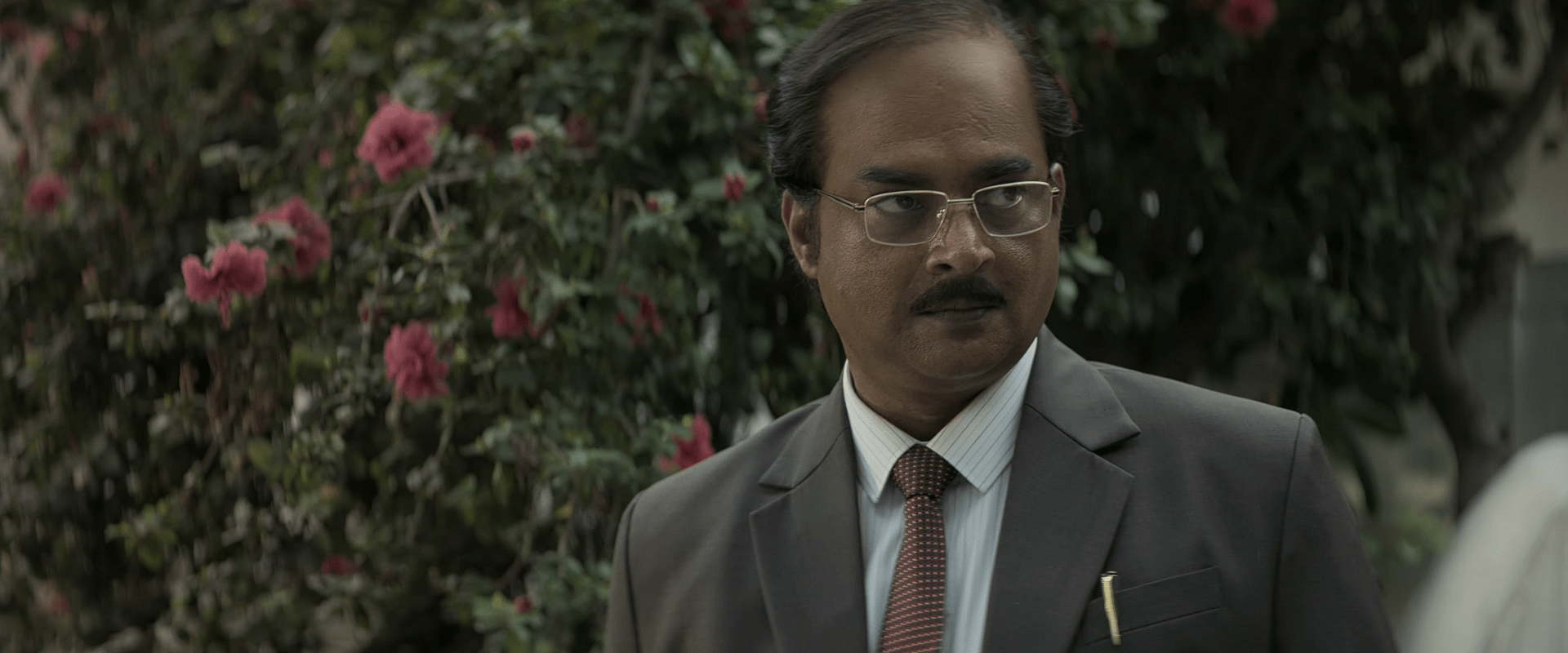
Many viewers might not even recognize him at first, and that is the achievement. He disappears into the role fully, offering a menacing yet magnetic performance that lingers long after the credits.
Arjun Rampal
Rampal is terrific – controlled, intense, sharply present in his scenes.
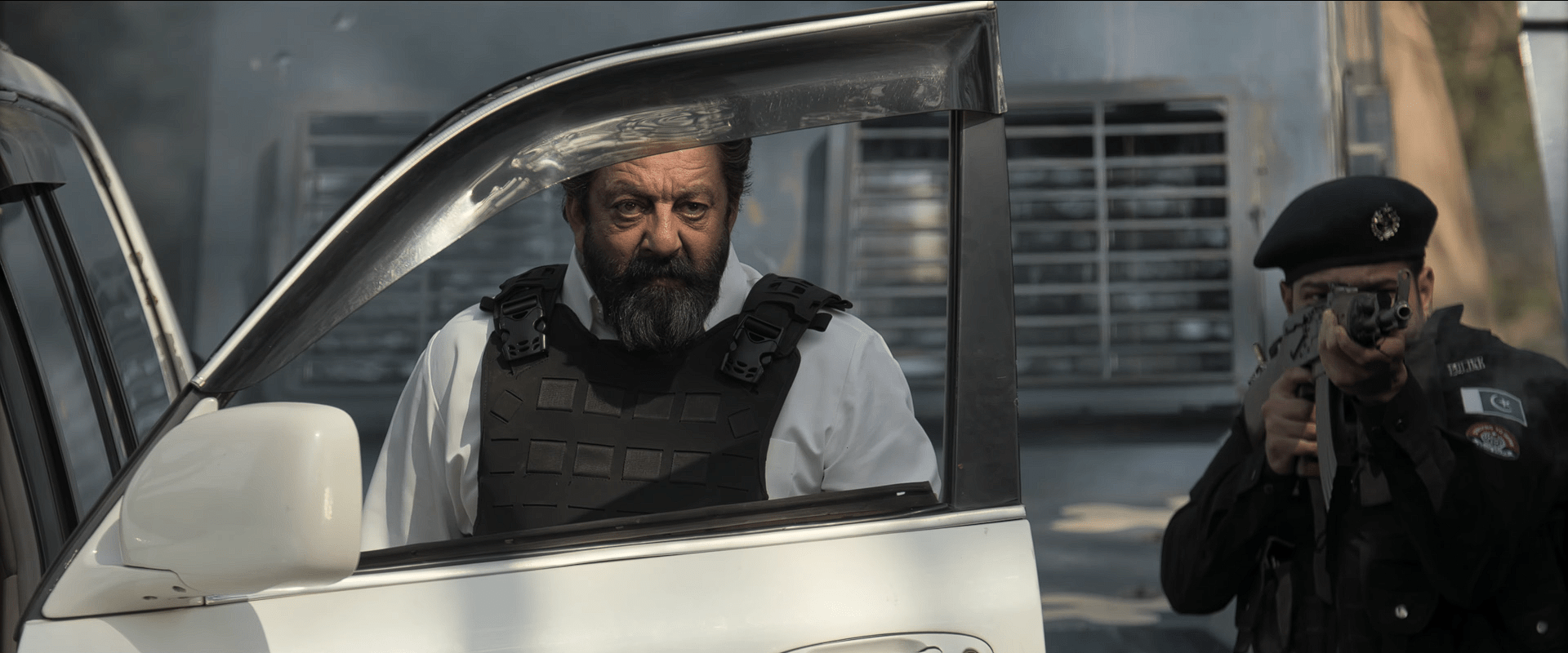
Sanjay Dutt
The trailer might have made some shrug at his involvement, but in the film, he arrives with thunder. The way he wields a shotgun in one chilling scene is enough to silence doubters.
What makes these performances so potent is Aditya Dhar’s refusal to indulge star worship. If a character belongs at the back of a scene, they stay at the back. If a moment requires silence, the camera honours that silence.
Every actor gets a fully developed arc, adding immense depth to the multi-gang narrative.
Violence, Language, and the A-Certificate: A Brutally Honest Experience
Let me be very clear – Dhurandhar is not for the faint-hearted.
The film is A-rated for a reason, and the makers use that freedom unapologetically.
Language
The abuses feel authentic – not exaggerated but true to the milieu. Some are partially beeped (since Indian censors allow only certain degrees of profanity even in adult films), but the dialogues retain their natural intensity.
Violence
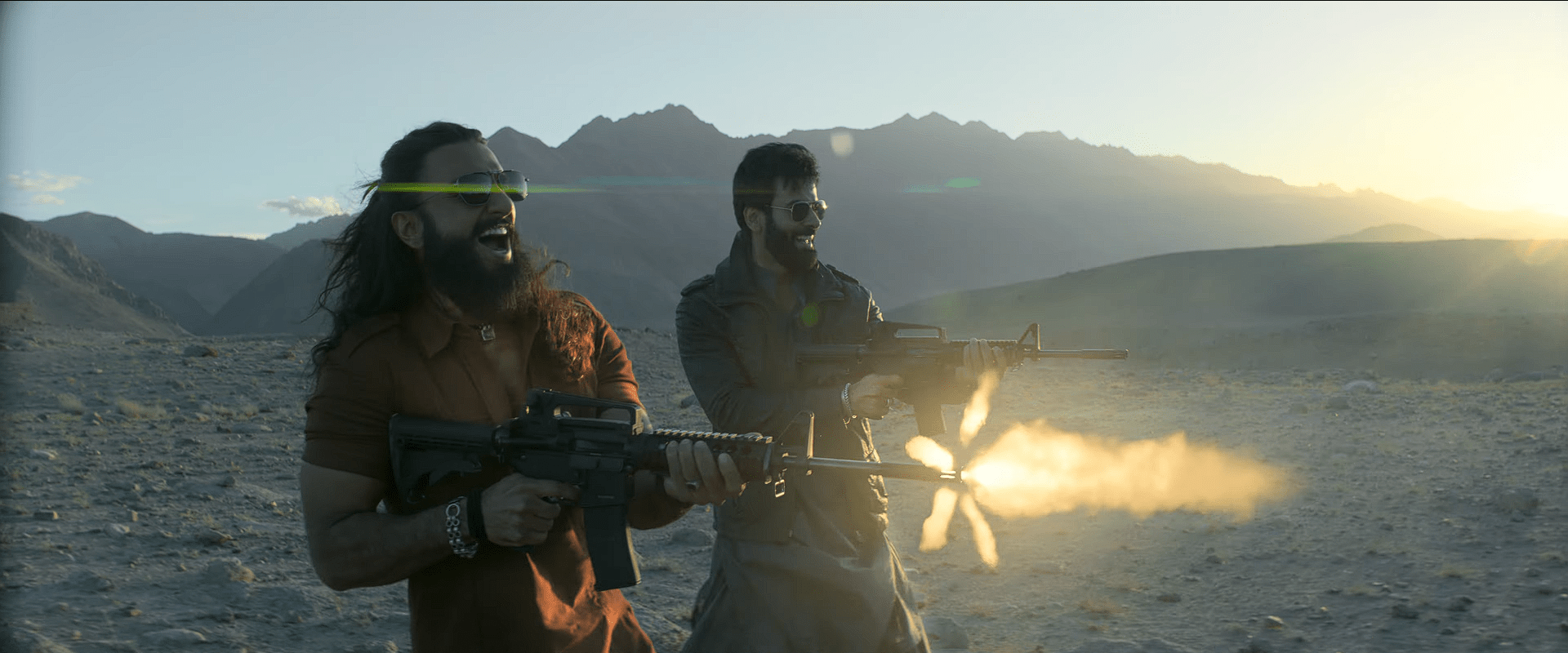
The gore is explicit. Limbs tear, skulls break, bullets land with disturbing realism.
There was a woman sitting in front of me who kept covering her eyes, and honestly, I don’t blame her. At one point, right after the interval, a particularly graphic moment made me stop eating my popcorn. The film doesn’t glorify violence, but it does portray it unfiltered.
This commitment to authenticity makes the world of Lyari Town vivid and believable – but it also tests your tolerance.
Writing, Music, and Technical Craft: A Film That Breathes Through Its Details
The film’s technical strength lies in its restraint.
No slow-motion hero shots
No over-the-top punch dialogues
No thunderous BGM hijacking every moment
Instead, the background score gently builds mood. The production design paints a town that feels lived-in and decaying. The cinematography oscillates between claustrophobic narrow lanes and vast emotional landscapes.
There’s a seriousness in the filmmaking that refuses to compromise for mass appeal. And paradoxically, that seriousness becomes its most compelling feature.
The Drawbacks: A Love Story That Overstays and Shots That Could’ve Been Tighter
Despite my admiration for the film, Dhurandhar isn’t flawless. Two concerns lingered in my mind:
- The Love Story Subplot
The romantic track receives more screentime than necessary. Although its purpose becomes clear eventually, it still feels stretched. I couldn’t help thinking that a tighter, more concise version of this subplot would have served the film better.
- A Few Redundant Establishing Shots
Occasionally, the film indulges in shots of characters walking or transitioning between locations – with extended BGM. They aren’t bad, but a few of them feel unnecessary, and trimming them could slightly improve the pacing.
These issues, however, don’t significantly damage the overall experience – they simply stand out because the rest of the film is so finely executed.
Not a Masala Film: A Warning for Certain Viewers
Let me be honest.
If you love loud dialogues, dramatic hero entries, slow-motion walking shots, and mass-heavy entertainment, Dhurandhar may not be your cup of tea. This is not a film that entertains casually. It demands attention. It demands emotional investment. It demands seriousness from its audience.
This is not political campaigning or election drama. It is politics among people – gang vs. gang, motive vs. motive, secret vs. secret.
Many scenes involve nothing but characters talking, watching, plotting, or silently observing with music building tension underneath. And if that excites you, Dhurandhar will feel like a gift.
Does the Two-Part Structure Work? Absolutely.
The first film concludes one arc completely while holding back the final resolution. The ending feels heated – almost too heated – as if the story was just gaining explosive momentum when the screen fades to black.
Normally, I would complain. But here, I didn’t feel cheated. I felt eager.
There is enough content, enough political weight, enough emotional tension, and enough world-building to justify a sequel. If everything had been resolved here, it might have felt rushed.
And judging by the date shown in theatres, Part Two is arriving soon – which makes the wait bearable.
Final Verdict: A Rare Achievement in Hindi Cinema
As I weighed my feelings, I wondered whether this film deserved my highest praise or a slightly guarded recommendation. But the truth is simple:
Dhurandhar is one of the most unique, daring, and well-crafted mainstream Hindi films in years.
It blends political realism, intricate character drama, stunning ensemble performances, and fearless filmmaking into a cinematic experience that stays with you.
Not many films attempt this level of maturity and still succeed. Dhurandhar does.
Rating: 4.8/5
A gripping, intelligent, and brilliantly made political thriller that sets a new benchmark for grounded storytelling in Bollywood.