There are films that aim high, films that aim modestly, and then there are films like Desingu Raja 2, which seem unsure of what they are aiming for in the first place. Walking into a sequel directed by Ezhil, I expected at least a spirited attempt to revive the flavour and charm that defined the earlier instalment. Instead, I found myself observing a series of disconnected ideas stitched together without rhythm, conviction, or even the basic promise of humour touted in its promotions.

A Cluster of Subplots Masquerading as a Story
The film introduces its hero as a police inspector, a role that could have opened doors for quirky conflict or grounded drama. Instead, the narrative instantly shifts gears to highlight another inspector in the same jurisdiction – played by Pugazh – who appears in full female disguise. The competition between these two characters is clearly intended to be a comedic backbone, but the humour never evolves beyond surface-level gimmicks. I found myself waiting for the dynamic to click, for the banter to sharpen, but it remains flat and repetitive throughout.
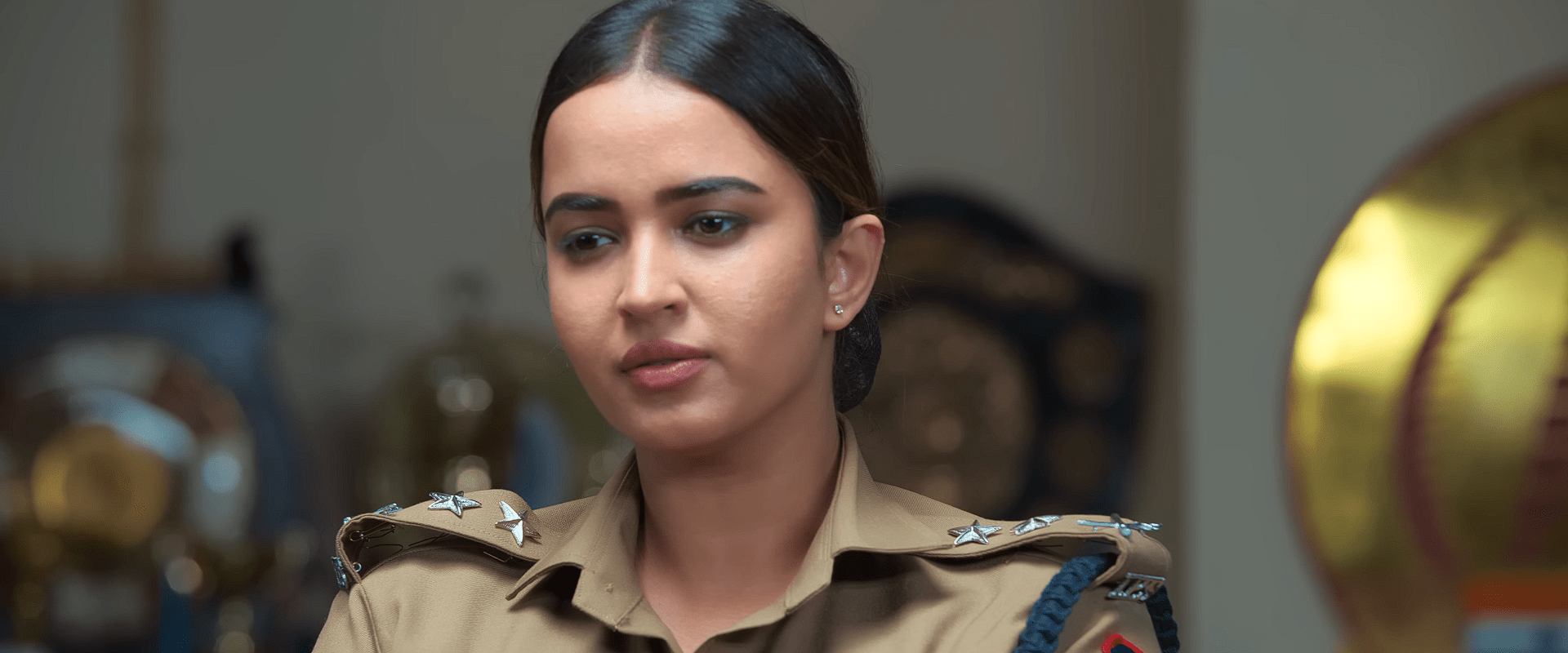
Another thread involves the hero’s ex-girlfriend, who returns as his superior officer. The film positions this as a potential emotional or comedic tension point, yet the screenplay barely invests in it. Their shared history is acknowledged but never explored in a way that deepens the narrative. Instead, it sits as an isolated subplot – present, but neither consequential nor entertaining.
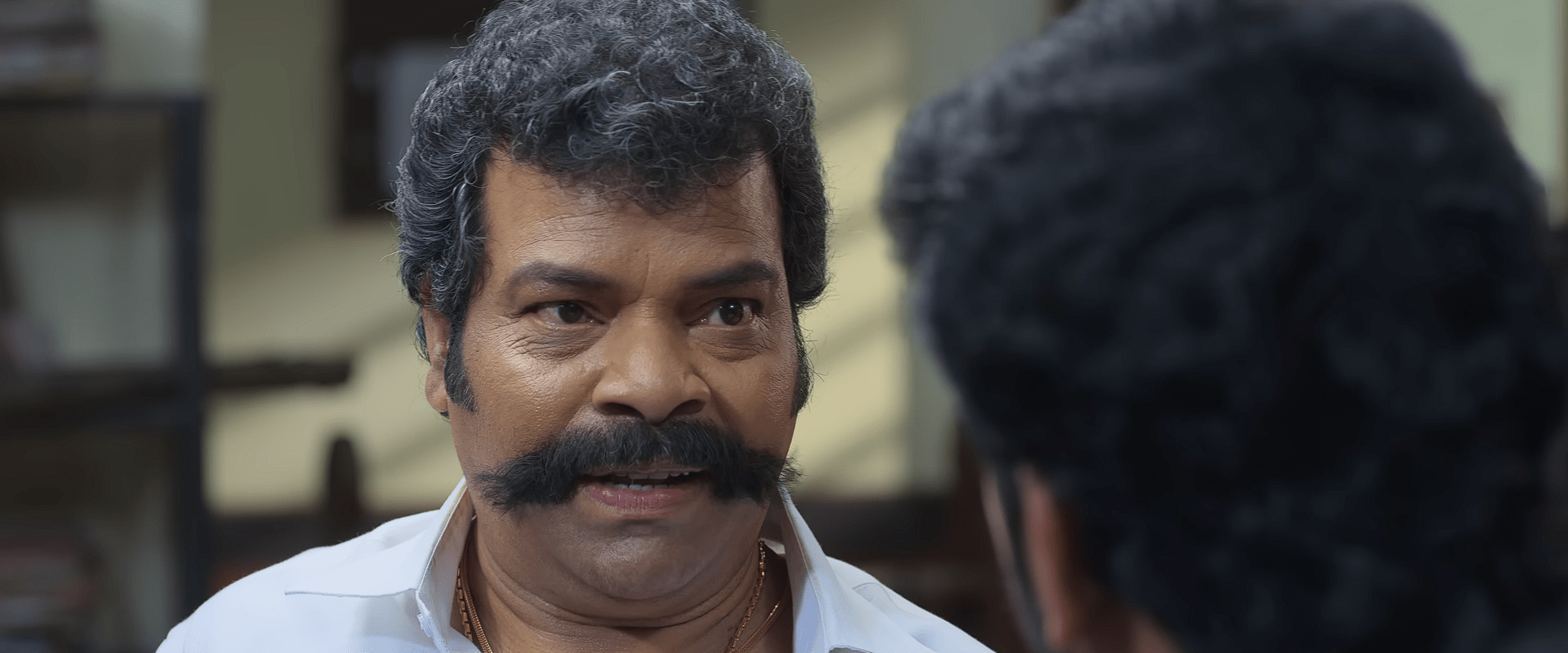
A third narrative strand involves a notorious rowdy whose severed head ends up in a hanging pot, passed from person to person as though it were a misplaced prop rather than a plot device. This bizarre idea could have been the seed for dark humour or slapstick absurdity. Instead, it is treated with the same randomness that characterises much of the film’s writing. I remained unsure whether I was expected to laugh, be shocked, or simply let it pass as yet another unrelated event.
The final subplot revolves around a minister desperately trying to recover leaked compromising material. This angle, too, is introduced with the energy of a political satire but fizzles out without escalation. By the time the film attempts to combine these four narrative lines, the structure resembles less a story and more an anthology of half-formed moments.
A Comedy Film That Forgets to Create Laughter

The most surprising aspect of Desingu Raja 2 is not its fragmented structure but its complete absence of comedy, despite being marketed as a “full-on comedy film”. I kept waiting for the first genuine laugh. Scene after scene, character after character, the film tries to manufacture humour through minor comedians who appear and disappear like fillers between larger filler scenes. Yet the punchlines never land.
At some point, I caught myself questioning whether the film’s writers believed that merely assembling comedic actors was equivalent to writing comedy. The effort to rely entirely on the performers’ spontaneous charm becomes painfully clear. Without strong writing, timing, or progression, these appearances feel more like cameos in search of purpose than meaningful contributions to the narrative.
A Film Built Without Craft or Confidence

Even if I set aside the absence of story and comedy, the film still struggles to stand as a cohesive cinematic experience. The comparison that came to my mind – echoing the sentiment shaped by my overall viewing – is that Desingu Raja 2 resembles an “uppama film”: bland, lumpy, and lacking distinct texture. Nothing feels fully cooked.
The songs appear without melodic recall or visual appeal. The fight scenes come across as placeholder choreography performed out of obligation rather than artistic interest. The dances do not elevate the energy of the film, nor do they contribute to character or mood. I searched for at least one moment that felt polished – one frame, one idea, one joke – but the film maintains the same uneven quality from beginning to end.
Among all the releases this year, Desingu Raja 2 stands out not because it delivers something bold or controversial, but because it delivers almost nothing at all. The absence of even a single memorable aspect is striking – whether in performance, writing, music, or filmmaking craft.
Final Thoughts: A Sequel That Needed More Than Good Intentions
As a viewer who appreciates light-hearted entertainers, I genuinely wanted Desingu Raja 2 to offer at least a glimmer of the fun promised in its promotions. But the film never finds its identity. It oscillates between unrelated comedic setups, awkward character dynamics, and chaotic subplots that feel force-fitted into a feature-length runtime.
The disappointment lies not in misguided ambition but in the visible lack of effort to shape disparate scenes into a coherent experience. A film can survive without complexity, but it cannot survive without clarity, structure, or humour – three essentials that this sequel consistently overlooks.
Rating: 1 out of 5