When I was going to watch Balti, directed by Unni Sivalingam, I genuinely expected an earthy, spirited rural action drama – one rooted in the cultural tensions and sporting vibrancy of the Tamil Nadu–Kerala border. The premise certainly promised that. A kabaddi team, a notorious rowdy network, rival gangs with their own motives, and a group of boys unknowingly walking into a trap – it is the kind of setup that has powered some of the most memorable rustic dramas in Tamil cinema.
But as I watched the film unfold, I realized that Balti carries a compelling seed of an idea, yet struggles to shape it into something cohesive. What emerges is a film that wants to be gritty, wants to be emotional, and wants to be explosive, but ends up floating in a haze of confused motivations and uneven writing.
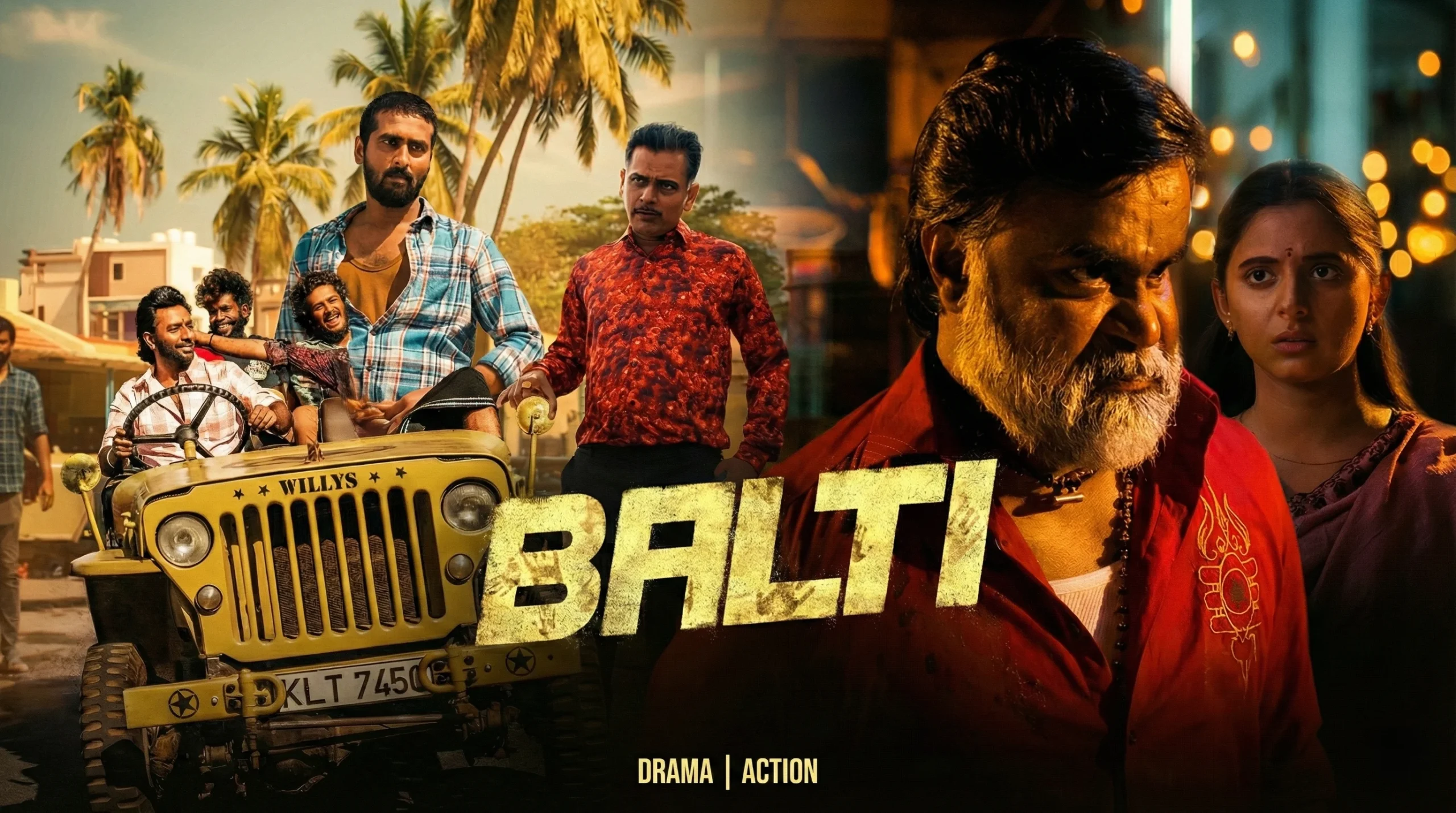
A Border Town, an Unbeatable Kabaddi Team, and an Unexpected Descent
The story opens in a small town planted right on the Tamil Nadu–Kerala border. It is a place buzzing with local pride, language mix, and gang politics – all of which should theoretically create a rich backdrop. Here, our hero and his close-knit group of friends operate a kabaddi team that no one in the village seems capable of defeating. Their camaraderie and competitive spirit form the emotional spine of the first act.
But this town also shelters a menacing rowdy network – one that operates at a “three-tier level of intimidation and extortion,” as I would describe it. Selvaraghavan heads one of the major groups in this network, while Alphonse Puthren helms another. Both factions have their own kabaddi teams, and rivalry simmers on multiple fronts: sportsmanship on the sand court, and sheer muscle power on the streets.
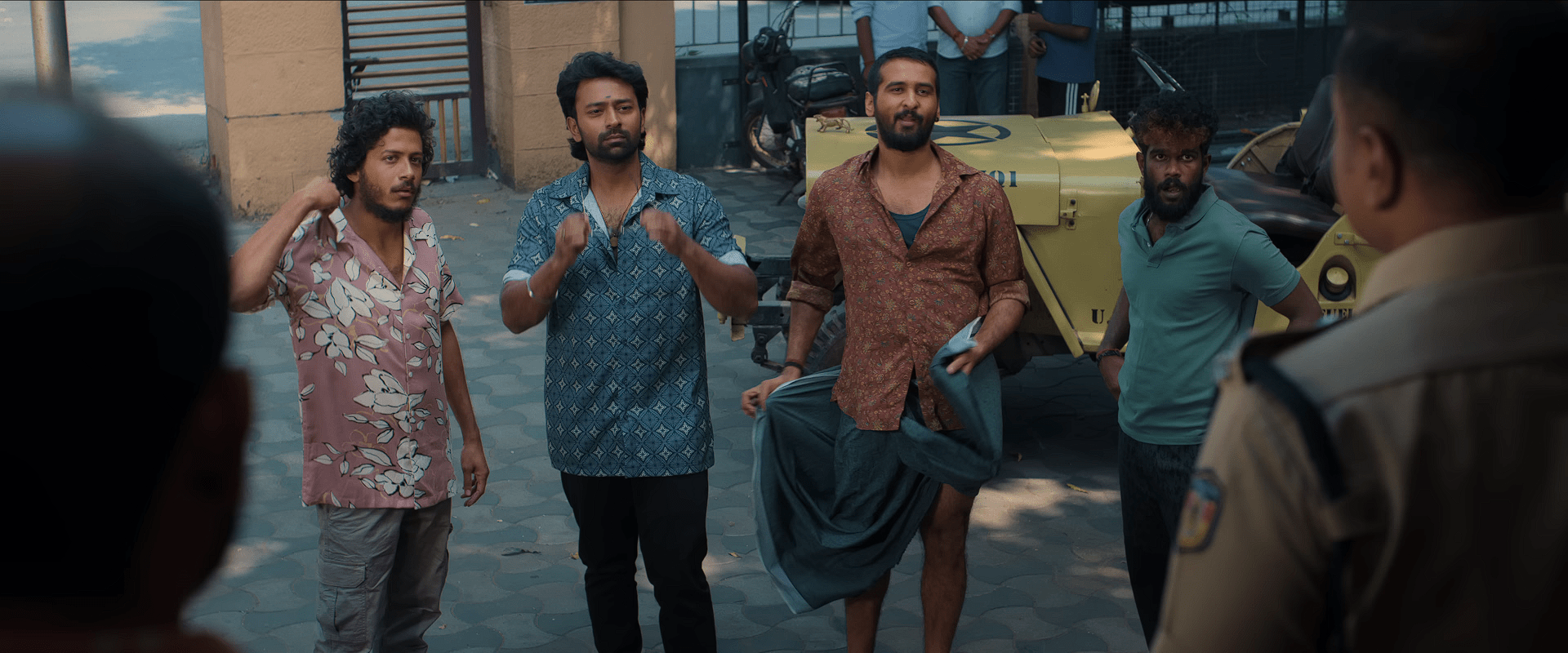
When Selvaraghavan’s gang approaches the hero with a lucrative offer – “Join our team” – the boys, tempted by the money and recognition, accept without hesitation. But within days, the horrifying realization strikes: they have not been recruited as players at all, but as henchmen, tools in Selvaraghavan’s power machinery. Their descent into the underbelly of violence and control begins subtly and spirals rapidly. Eventually, circumstances corner them into opposing Selvaraghavan himself, forcing them to reclaim their moral ground and fight for survival.
On paper, this arc is gold. It echoes the emotional beats of classics like Subramaniapuram, films where friendships break, innocence erodes, and turning back becomes impossible. But Balti fails to build the tight emotional logic that such transformation requires.
- A Border Town, an Unbeatable Kabaddi Team, and an Unexpected Descent
- A Familiar Template Without the Emotional Backbone
- Character Confusion: The Shanthanu Problem
- Too Many Gangs, Too Little Purpose
- A Flabby First Half and a Fiercely Executed Second Half
- The Jeep Conflict: Another Missed Opportunity
- A Borderland Setting Used Superficially
- Final Thoughts – A Film With Spark but Smothered by Confusion
A Familiar Template Without the Emotional Backbone

I couldn’t help but draw comparisons to Subramaniapuram, a film that mastered the art of justifying every wrong decision its characters took. In that film, the reasons for joining hands with gangsters and the reasons for breaking away were rooted in deep emotional desperation, betrayal, and socio-political realities.
Balti, however, squanders its opportunity. The setup exists, the atmospherics are present, but the writing dilutes everything. The hero’s group drifts into the gang world without enough emotional build-up, and their eventual rebellion lacks a convincing spark. The emotional logic is shaky, and because of that, the narrative feels stretched and underexplored.
Character Confusion: The Shanthanu Problem
Among the hero’s four friends, the character that baffled me the most was Shanthanu. Every time he appeared, his decisions seemed inconsistent. His loyalty was unclear. His reactions felt random. It was as if even he had no clue what side he belonged to or what he wanted – and that uncertainty infected the audience’s experience.
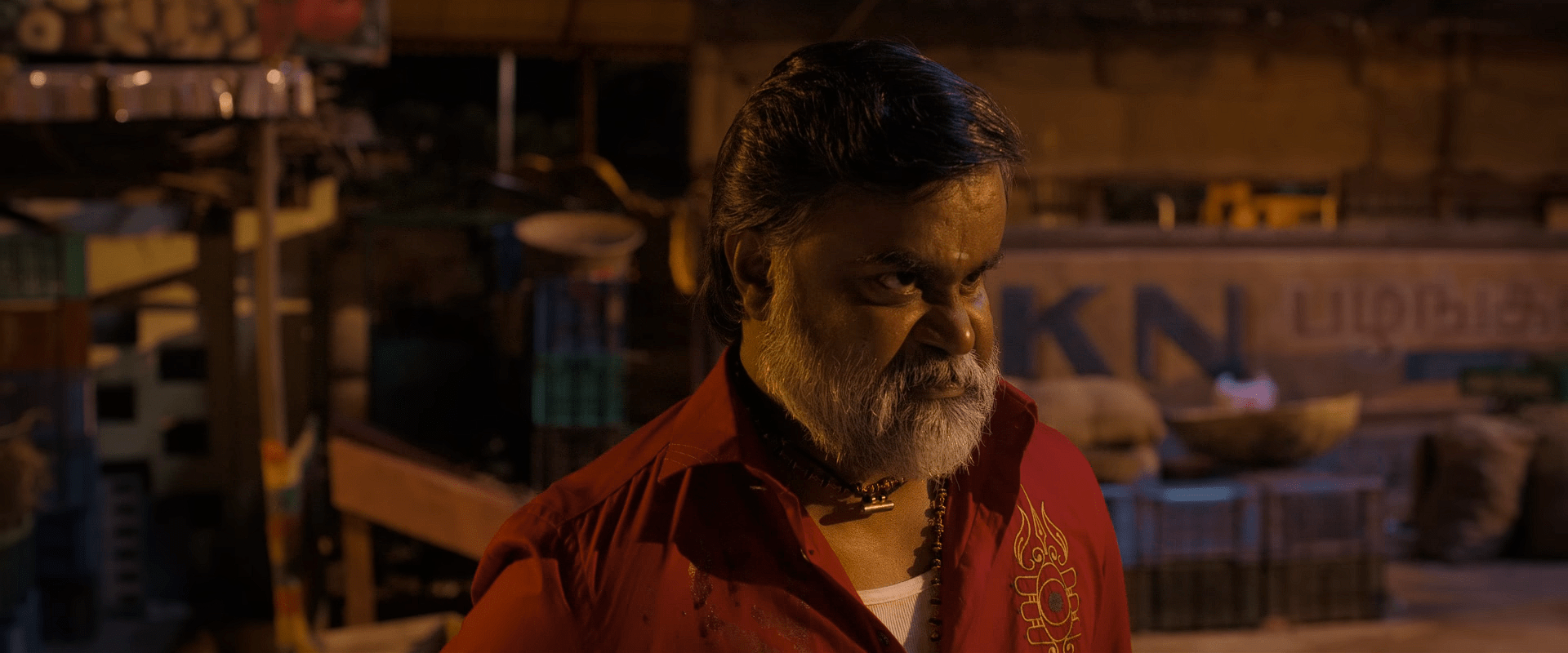
A character arc filled with moral ambiguity can be powerful when it is deliberate. But here, it felt like the writing itself was unsure about him. This lack of clarity becomes the film’s biggest stumbling block. If you cannot understand a core character’s purpose, you cannot emotionally invest in his journey. Unfortunately, Shanthanu never becomes a person – we only see him as a confused plot device.
Too Many Gangs, Too Little Purpose
The dynamic between Selvaraghavan’s and Alphonse Puthren’s gangs is at least understandable. Their rivalry, though not deeply fleshed out, has a narrative throughline. But the inclusion of Poornima’s gang left me puzzled. It appears abruptly, interacts in ways that hold no narrative significance, and then lingers without adding tension, depth, or even entertainment value.
This unnecessary layering of factions dilutes the focus. Instead of creating a multi-dimensional crime ecosystem, the film ends up presenting scattered conflicts that do not connect meaningfully.
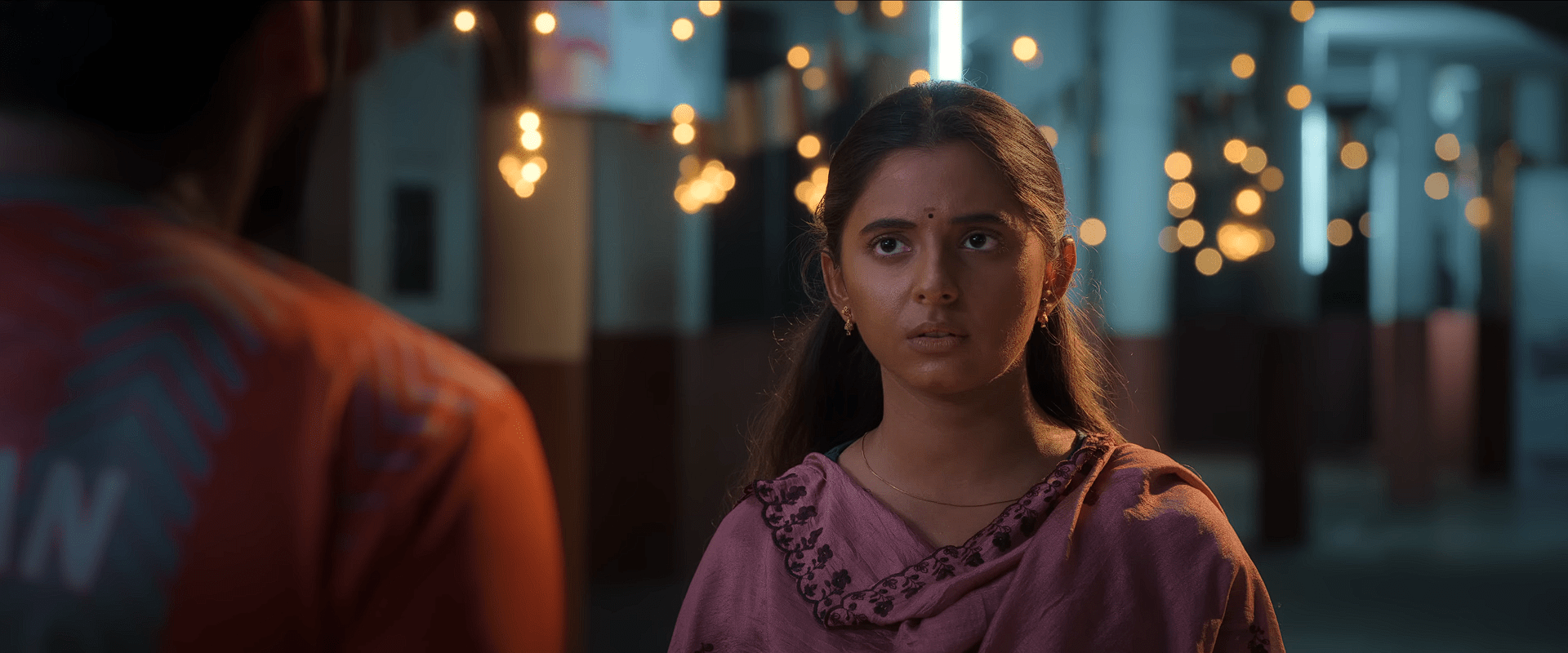
A Flabby First Half and a Fiercely Executed Second Half
Balti runs for roughly two and a half hours, and that length becomes its enemy. The first half drags extensively. Scenes feel repetitive, character motivations blur together, and the kabaddi premise almost evaporates under pacing issues.
But I must admit: the second half redeems the film to a notable extent. When the action kicks in, it truly kicks in hard. The fights are raw, real, and performed without body doubles. The choreography has an authentic, gritty flavor that matches the film’s tone perfectly. In a world where slick, glossy action often feels artificial, Balti delivers physicality that stings. The action block single-handedly saves the latter half from collapsing.
One standout moment is the fight sequence involving Alphonse Puthren. On screen, his physique – a “skin and bones” kind of frame – might seem unsuitable for portraying a rowdy. But in that particular fight, he sells the menace brilliantly. The staging, timing, and physical performance make the sequence entirely believable.
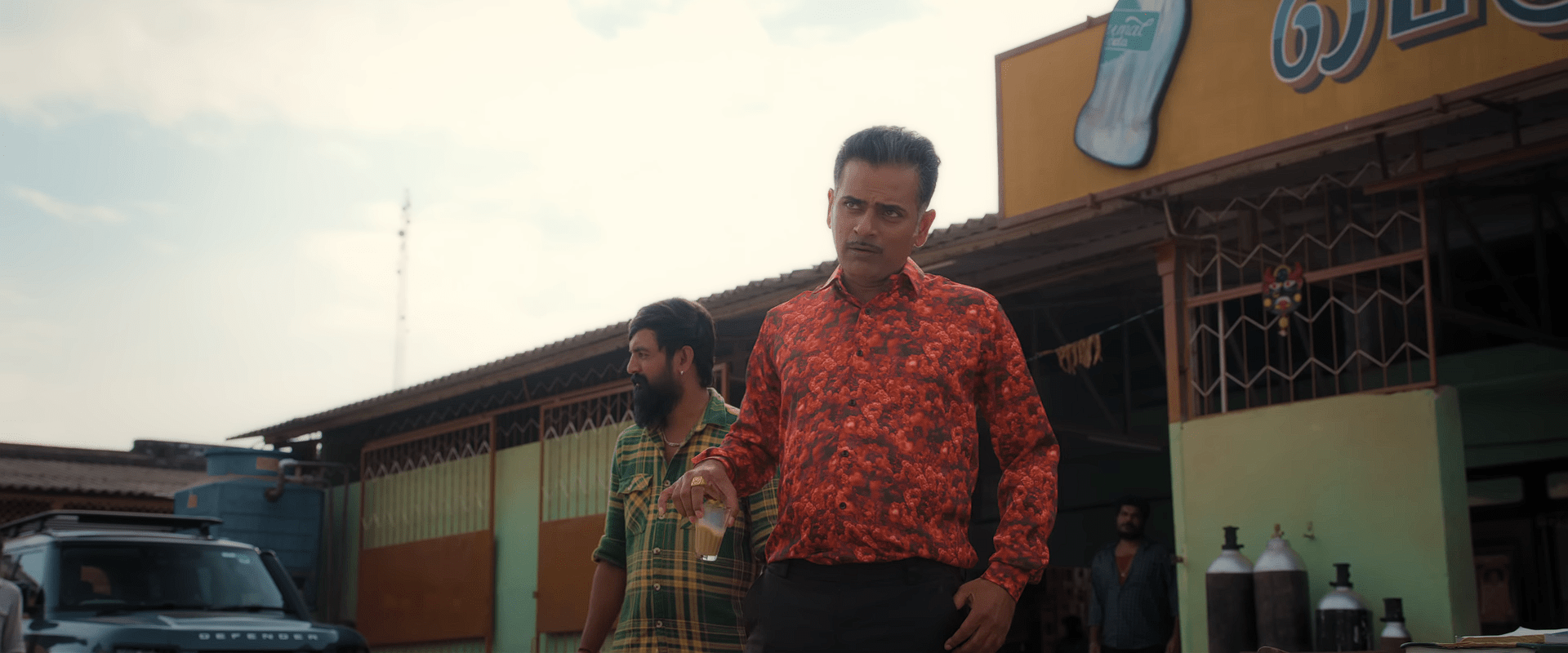
The Jeep Conflict: Another Missed Opportunity
A recurring subplot involves a mysterious conflict between Selvaraghavan and Alphonse Puthren revolving around a jeep. But despite the repeated references, the film never clarifies what makes this jeep so significant. Is it a symbol? A smuggling vehicle? A prized possession? The script never explains. Without context, the jeep obsession becomes unintentionally comedic.
A Borderland Setting Used Superficially
The film proudly emphasizes its Tamil Nadu–Kerala border location, but I couldn’t understand why it mattered. Apart from bilingual shop boards, the setting adds nothing substantial. If the makers intended to appeal to both Tamil and Malayalam audiences, the execution lacks depth. Border stories can be rich with cultural duality, identity conflicts, linguistic quirks, and political nuance – but Balti barely scratches the surface.
Final Thoughts – A Film With Spark but Smothered by Confusion
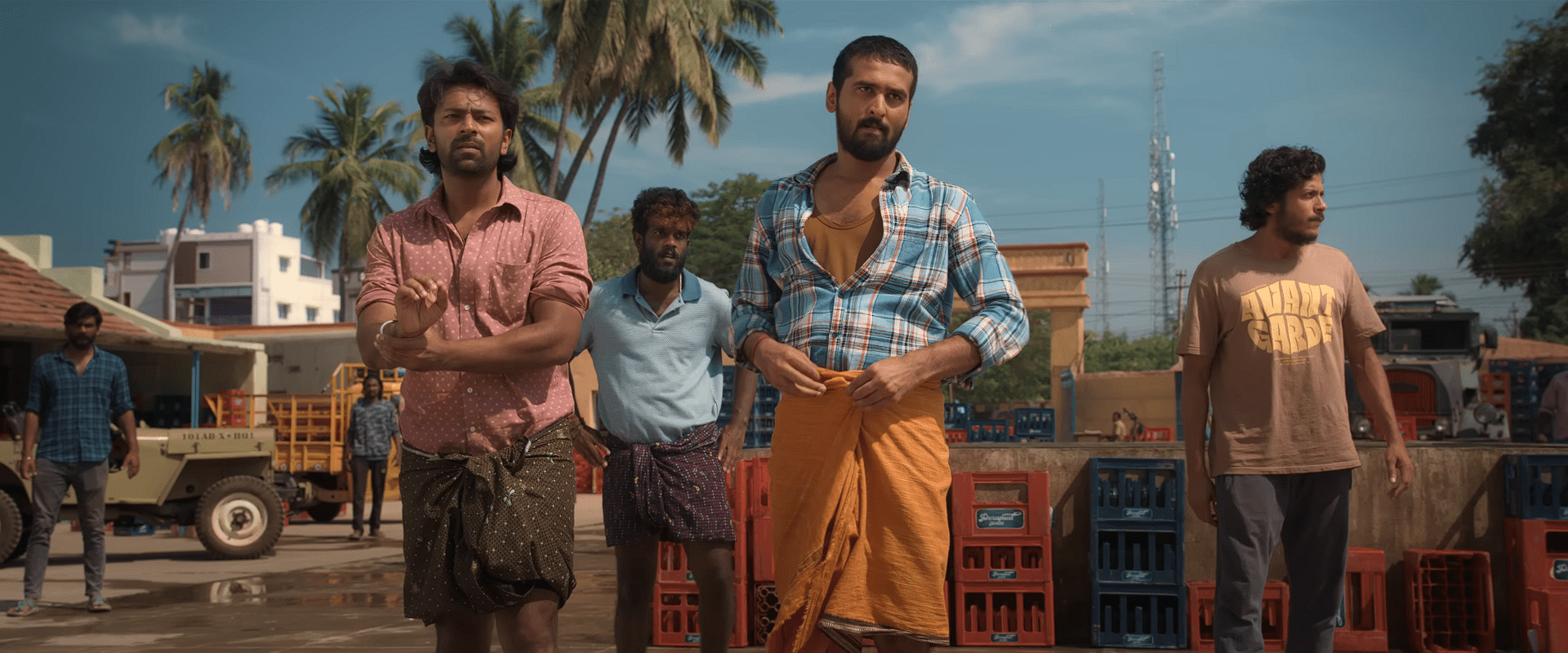
Ultimately, Balti is weighed down by one overwhelming issue: confused character writing, especially around Shanthanu. A film can survive pacing problems, familiar story structures, or minor plot holes, but when the emotional axis itself is unsure, the entire structure feels unsteady.
There are flashes of brilliance – particularly Selvaraghavan’s performance, the raw action sequences, and the rustic backdrop. But in its entirety, Balti ends up as an uneven, mildly engaging, but ultimately average film that could have been much more.
Rating: 2.5/5
A film with potential and strong action, but dragged down by confused writing and diluted emotional clarity.