At the time I was going to watch Bad Girl, directed by Varsha Bharath, I expected a grounded psychological journey of a young woman wrestling with identity, desire, rebellion, and agency. The film clearly sets out to examine a girl’s life from her mid-teens to adulthood, tracing how her choices, impulses, and relationships shape the person she becomes. Yet, as I sat through its 112-minute runtime, I realised that while the theme is potent and layered, the execution often works against the very ideas it wishes to convey. Bad Girl aims for intensity but lands on monotony, leaving me wishing for a more coherent and emotionally engaging telling.

A Promising Coming-of-Age Core
The film opens with the protagonist as a tenth-standard student – academically weak, emotionally fragile, and easily impressionable. Her first experience of love is impulsive and innocent, the kind of adolescent connection that blooms more out of curiosity than comprehension. When this relationship becomes known at home and at school, the resulting backlash is swift and severe. The girl is pulled away from the environment she knows, shifted to another school, and stripped of the little freedom she had begun to taste.
As I watched these early segments, I felt the film tapping into a very recognisable cultural tension: society’s obsession with controlling young girls for the sake of “protection,” even when such interventions leave deep emotional bruises. Her anger toward her family and the world is understandable, and it could have shaped a compelling arc of rebellion versus responsibility. Unfortunately, the film sketches these ideas but rarely explores them with the depth they deserve.
College Years Filled with Fragmented Relationships

Once the protagonist enters college, the narrative shifts into a series of relationship episodes – she befriends a young man, faces a breakup, moves on, falls for someone new, and continues this cycle through various stages of her life. In theory, this could have been a powerful study of how emotional instability during adolescence evolves into destructive patterns in adulthood. But the screenplay never pauses long enough to let me understand who these men are, why they matter, or how each relationship changes her.
Instead, every connection begins abruptly and ends with an argument. I kept waiting for the film to explain why these constant conflicts occur, but clarity is rarely offered. New characters enter the story without meaningful introductions, and at one point, I only realised who a group of men were when they themselves declared that they had been her childhood friends. This lack of narrative definition makes the film feel disjointed, even when the emotional stakes are supposed to be rising.
The Unfulfilled Potential of a Timely Concept
One of my frustrations while watching Bad Girl was how much thematic potential lay beneath the surface. The idea of following a girl from age 15 to 30, positioned against a society that polices her every move, could have been gripping. Her desire for “uncontrolled freedom” could have sparked fierce commentary about gendered morality, patriarchal expectations, and personal responsibility.
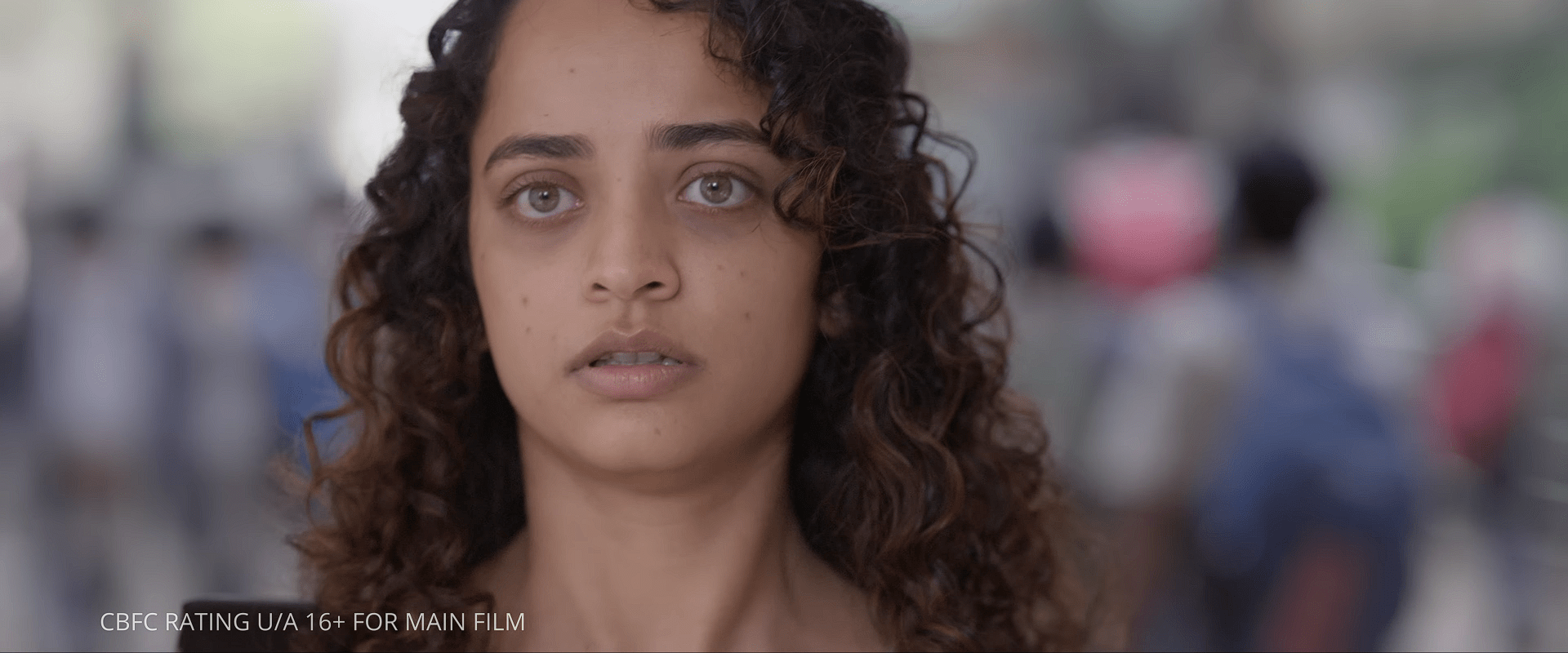
But the film treats every moment with the same serious tone, stripping away nuance and emotional variety. Scenes that could have been tender, funny, rebellious, or reflective remain flat. Even the protagonist’s most extreme choices are framed without psychological insight. The seriousness is not the issue – films like this can absolutely thrive in a heavy, introspective mood. But Bad Girl confuses seriousness with sameness, and the result is a narrative that feels both exhausting and underdeveloped.
The Family Conflict That Never Fully Expands
One of the more intriguing moments arrives when the protagonist’s mother offers a surprisingly practical piece of advice: focus on studies now, build a successful life, and live freely later without scrutiny. It is both humorous and painfully realistic. Many Indian parents express similar sentiments – prioritise education, then claim the world on your own terms.
Yet, even after hearing this, the girl rejects her family entirely, proclaiming that she refuses to study and will live however she likes. This moment could have anchored the story, providing psychological motivation and a deeper understanding of her rebellion. But the film does not explore the emotional undercurrents behind her choices, leaving her anger unexplained and her motivations vague.
Technical Choices That Work Against the Film
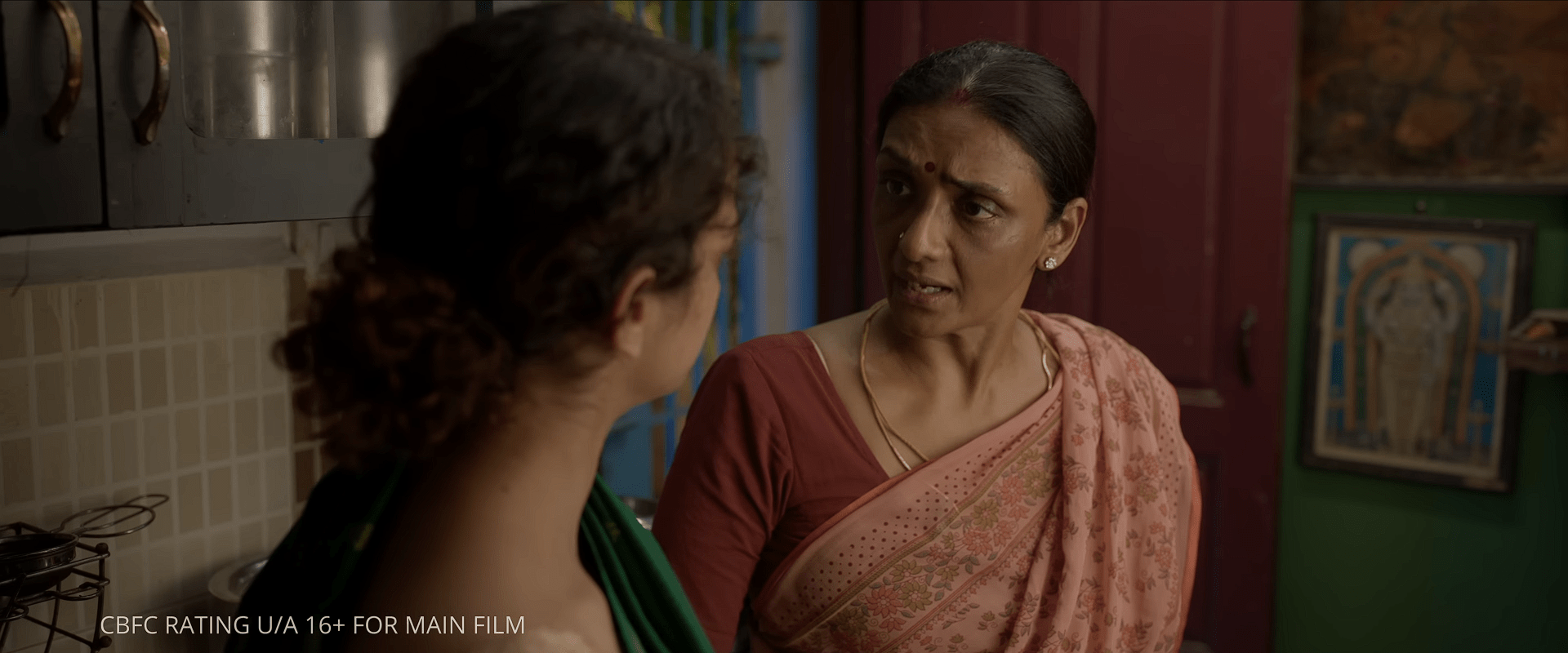
If the narrative shortcomings were not already concerning, the technical execution amplifies the issues. Almost the entire film is shot in dim, shadowy frames that feel unintentional rather than atmospheric. Scenes appear blurry and out of focus, and I often struggled to see characters clearly – not because of metaphor, but because of poor visual clarity. The dark, murky cinematography becomes a constant distraction and eventually an irritation.
The sound design complicates things further. The dialogues are styled in a manner reminiscent of Mani Ratnam’s understated conversational realism, but the background score is so loud and intrusive that I frequently could not hear the lines being spoken. As a viewer, being forced to guess dialogue is not a pleasantly immersive experience.
Adding to this, songs appear throughout the film with surprising frequency – much like in older classical dramas – yet they rarely contribute to storytelling or emotional progression. Their placement feels arbitrary, breaking the rhythm of scenes rather than enriching them.
A Unique Story Weakened by an Uninspired Approach
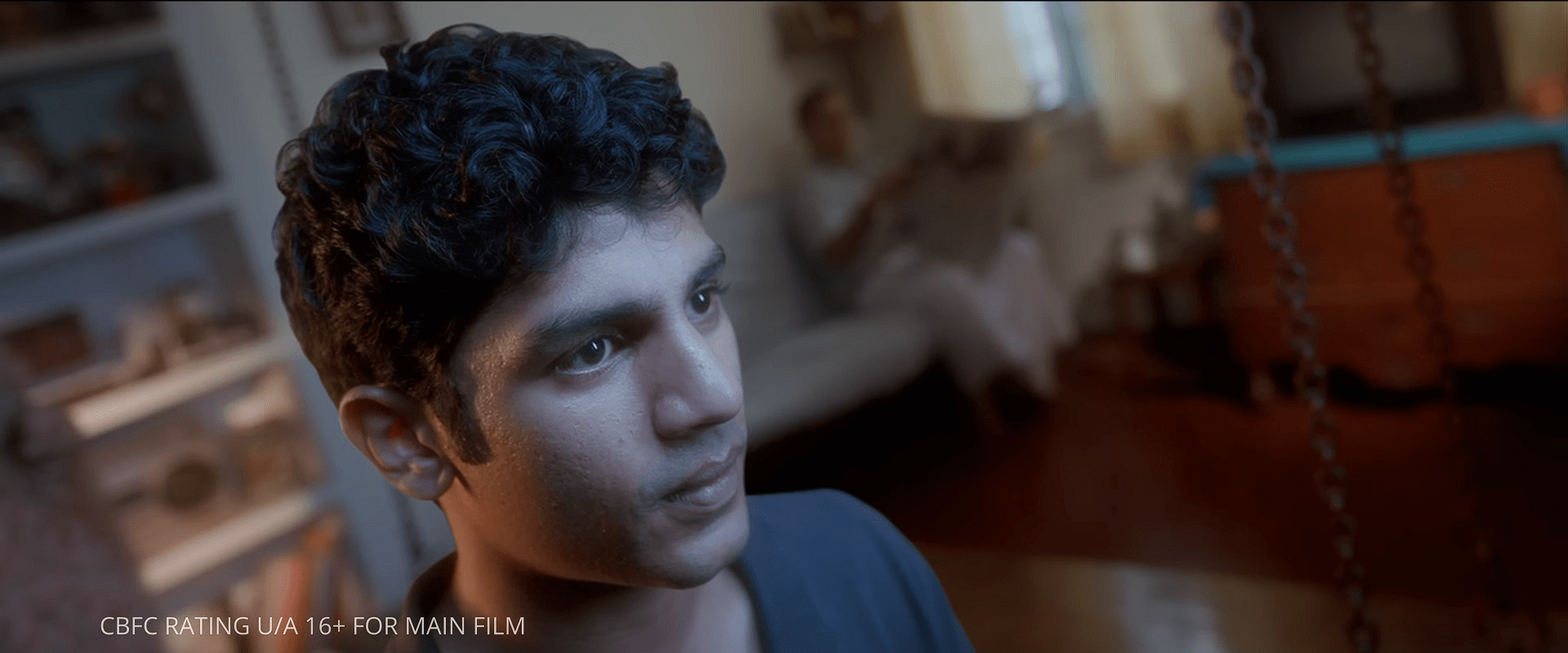
By the time the film reached its final stretch, I found myself reflecting on how rare it is for Tamil cinema (or even wider Indian cinema) to attempt a grounded, female-led chronicle of life’s emotional missteps. For that ambition, Bad Girl deserves acknowledgment. But ambition is only half the equation. To truly resonate, a film needs clarity, emotional depth, and technical finesse – qualities that this film intermittently gestures at but never fully embraces.
What should have been a raw, layered portrait of a woman’s journey becomes a repetitive sequence of conflicts without context. The runtime may be just 1 hour and 52 minutes, but the emotional fatigue it generates makes it feel far longer.
Final Verdict

Bad Girl stands on a strong thematic foundation, yet struggles to translate its vision into an engaging cinematic experience. A story about freedom, adolescence, and self-discovery deserved sharper writing, clearer emotional motivations, and a far more polished technical presentation. Instead, it becomes a film that feels heavy without feeling meaningful.
Rating: 2/5