Watching Akhanda 2: Thaandavam during a night show and coming home with the adrenaline still running through my veins felt like an experience in itself. Starring Nandamuri Balakrishna, Samyuktha Menon, and Aadhi Pinisetty, the film carries the weight of massive expectations. After all, the first part carved a memorable space in the mass-action landscape. Going in, I was fully aware that comparisons would come naturally, and by the time I walked out, I had a head full of thoughts, both admiring and critical.

Action That Triumphs, Yet Sometimes Overflows
The first thing that struck me was how significantly the action has improved. Compared to the predecessor, the sequences here feel cleaner, better conceptualised, and more tightly fused into the narrative. The finesse in execution shows, and for large stretches, the action choreography genuinely impressed me.
But then comes the other side of the spectrum – the tendency to go gloriously, unapologetically over the top. There are moments where the film crosses its own thresholds, leaning into extremes just because it can. Occasionally, a fight scene slips into satire or introduces preachy insertions that give off a slightly serial-like tone. During such moments, the otherwise powerful momentum momentarily softens.
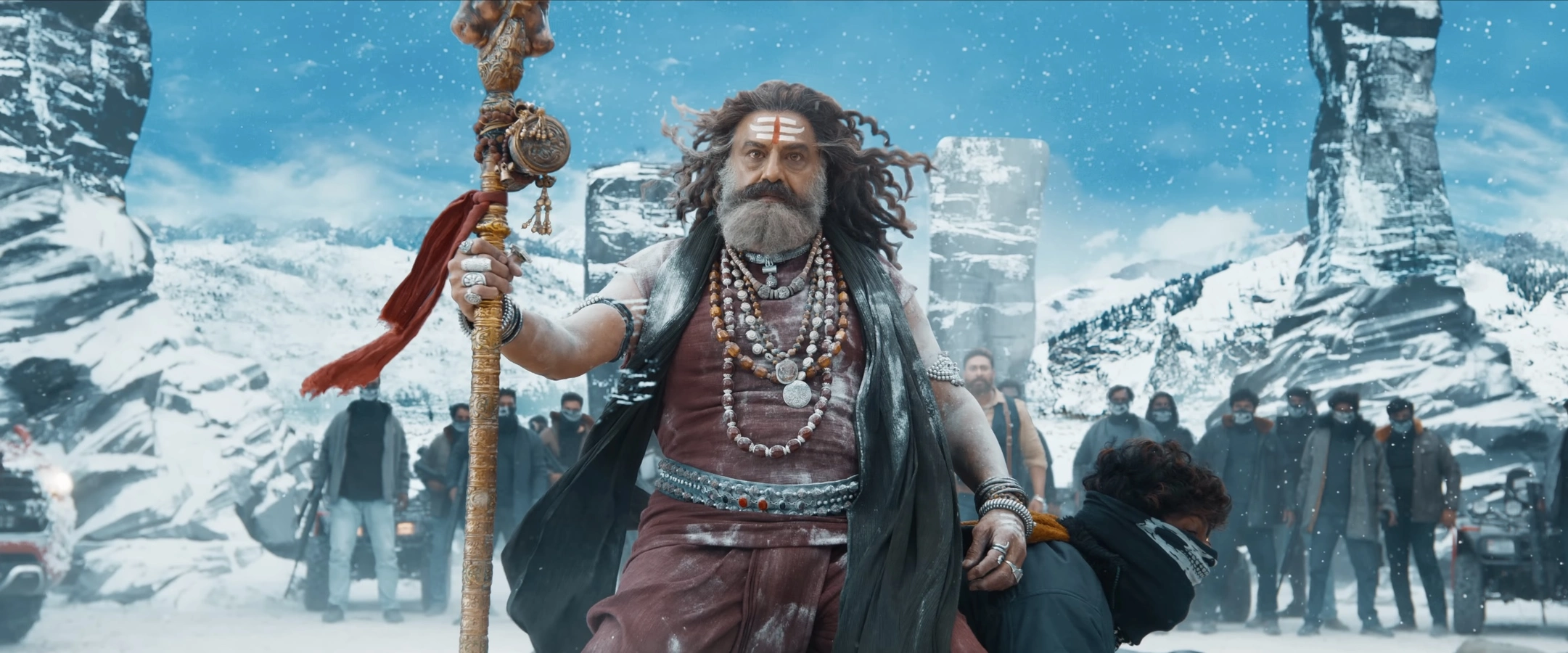
Still, the film redeems itself with spectacular scenes where it boldly asks, “How would it feel to see God twice?” These moments land with unexpected depth and visual gravitas, leaving behind an unmistakable impact.
- Action That Triumphs, Yet Sometimes Overflows
- Akhanda’s Divinity Amplified – Justified, Yet Exaggerated
- Visual Grandeur Versus the Occasional VFX Misfire
- Thaman’s Background Score – Roaring Peaks and Repetitive Valleys
- Emotion and Flow – Strong Starts, Interrupted Moments
- Performances – Balakrishna Commands, Others Fluctuate
- Direction and Screenplay – Signature Boyapati Style with Rough Edges
- Final Verdict
Akhanda’s Divinity Amplified – Justified, Yet Exaggerated
One thing I appreciated was how the film found a narrative justification for pushing Akhanda Rudra Sikandar Aghora’s abilities to near-mythical levels. In the first part, the character’s divinity felt grounded within a framework of logic. Here, everything – the action, the spiritual aura, the supernatural elements – is magnified, yet the story clarifies the reasons behind these extremes. That clarity prevents the film from derailing even when the scale adopts a godlike tone.
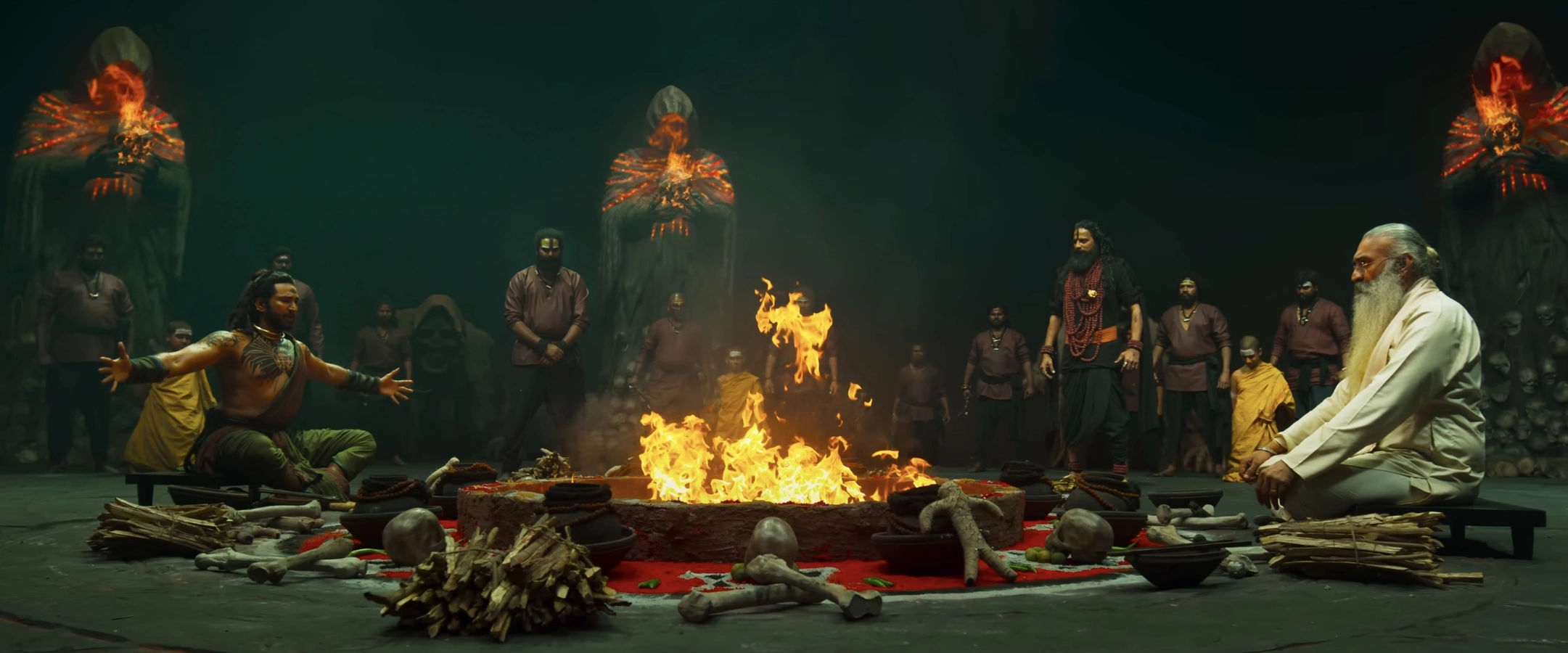
However, with this expanded mythology comes a recurring narrative habit: long, repetitive moral lectures. There are stretches where villains ramble endlessly – “I am this, you are that, your country, our country…” – delaying the kinetic punch the film actually wants to throw. These patterns repeat more than they should, accompanied by random instances of Kannada, Tamil, and Hindi lines woven into fight sequences, sometimes adding texture, sometimes feeling placed only for effect.
Visual Grandeur Versus the Occasional VFX Misfire
Visually, the film truly attempts to outdo its predecessor. The grandeur has risen by several notches, and the divine imagery tied to Sanatana Dharma and Hindu ethos is handled with genuine aesthetic care. Many VFX shots glow with richness and ambition.

But the cracks show intermittently. A few effects look unexpectedly poor, especially considering the scale the film claims. Some cuts resemble animated placeholders, and certain visual moments vanish too abruptly, functioning more like brief “flash-man” gimmicks than meaningful payoffs. These inconsistencies don’t ruin the experience, but they do mildly interrupt the immersion.
Thaman’s Background Score – Roaring Peaks and Repetitive Valleys
Thaman approaches Akhanda 2 with unmistakable zeal. His high-decibel “Tandavam” style asserts its dominance from the production house title card. The interval block and the climax benefit enormously from his thundering cues. The sound becomes a character, matching Balakrishna’s screen presence note for note.
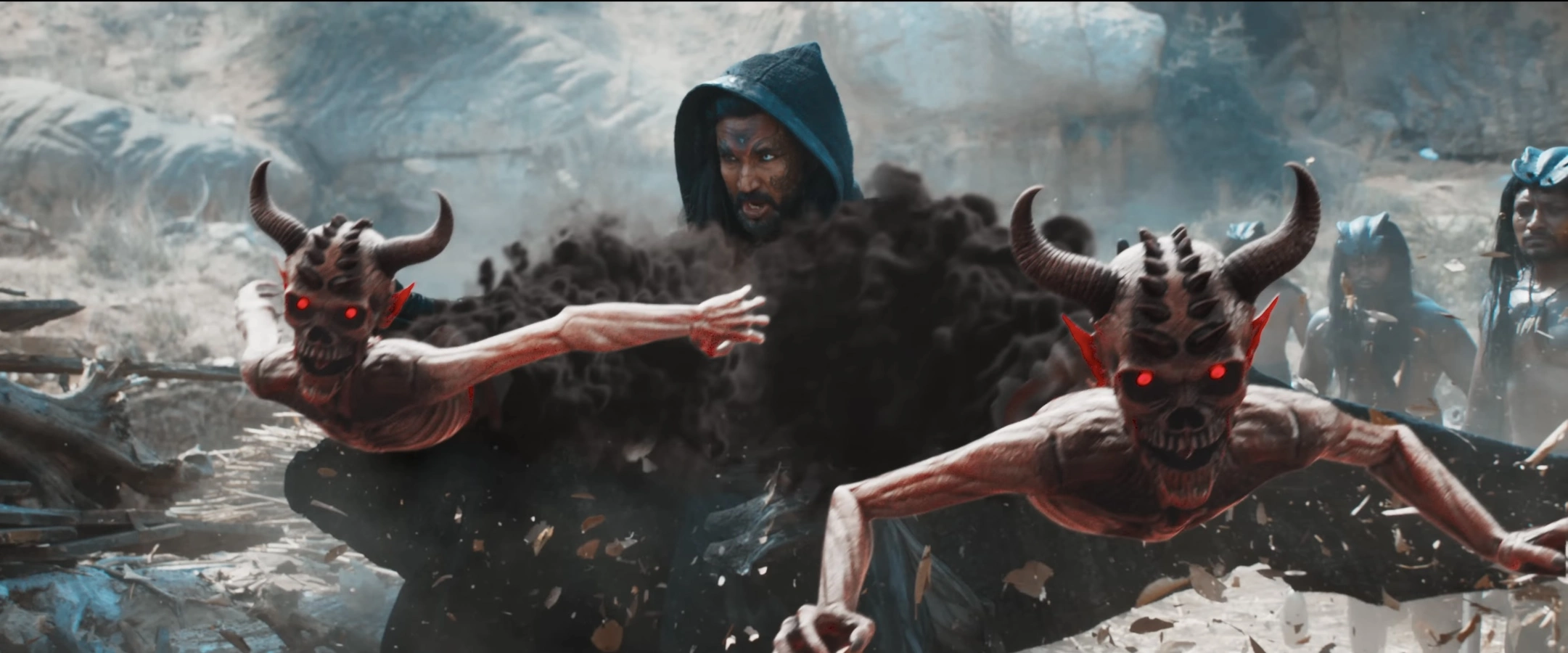
Yet the middle portions lose freshness due to repetitive drum-heavy patterns. After a point, I found myself craving variation because the score began blurring across scenes. When Thaman hits the right chords, the effect is electric; when he circles around familiar patterns, the emotional resonance dampens.
Emotion and Flow – Strong Starts, Interrupted Moments
If there is one area where the sequel doesn’t match the original, it is emotional weight. Akhanda had stronger emotional grounding, and here, whenever the film attempts to reach that place, a song emerges and breaks the flow. Even when the music is good, these interruptions weaken continuity. Eventually, the narrative regains balance and even delivers some tight surprises, but that initial disconnect never fully disappears.

Performances – Balakrishna Commands, Others Fluctuate
Balakrishna is unquestionably the force that drives this film. Whenever he appears as the Aghora, the atmosphere changes; the energy lifts; the theatre reacts. His presence alone produces legitimate goosebumps.
The opening sequence involving another character is exceptionally shot and sets up the tone well. Aadhi Pinisetty, though promising, is underutilised. His character’s potential is hinted at but never fully realised. One particular girl’s dubbing and expressions feel noticeably mismatched – the tonal imbalance pulls attention away from the scene.
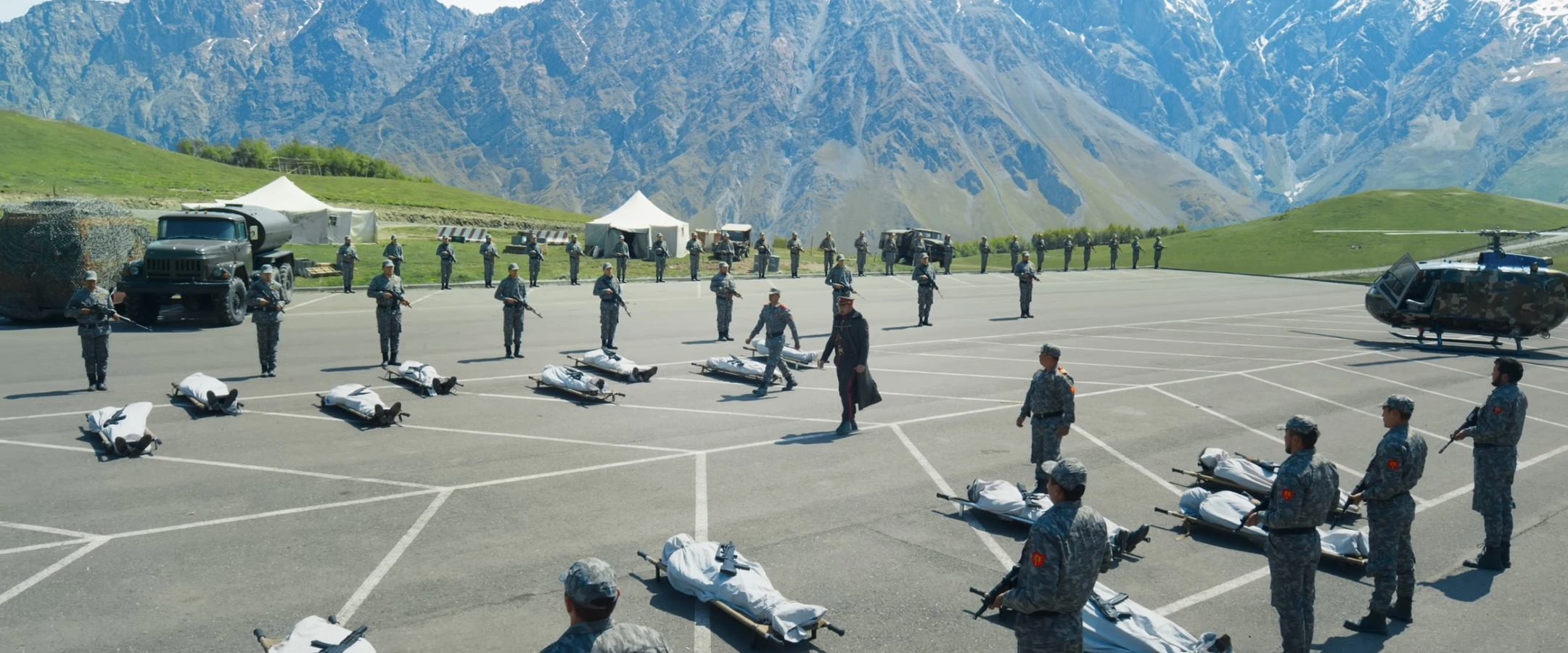
Samyuktha appears in a glamour-tilted role with limited screen time, and she performs what the film expects from her. The exclusion of Pragya’s character turns out to be a plus, avoiding unnecessary diversions. On the other hand, Janani is written too flatly.
Three bold political dialogues – one referring to Balakrishna, one to Pawan Kalyan, and one touching upon a recent BJP-related operation – land with a punch. These lines will undeniably spark discussions outside theatres.
Direction and Screenplay – Signature Boyapati Style with Rough Edges
Boyapati Sreenu retains his trademark intensity, making it clear that he understands the mass-action terrain better than most. The divine-high-octane fusion is something only he seems willing to attempt at this scale.
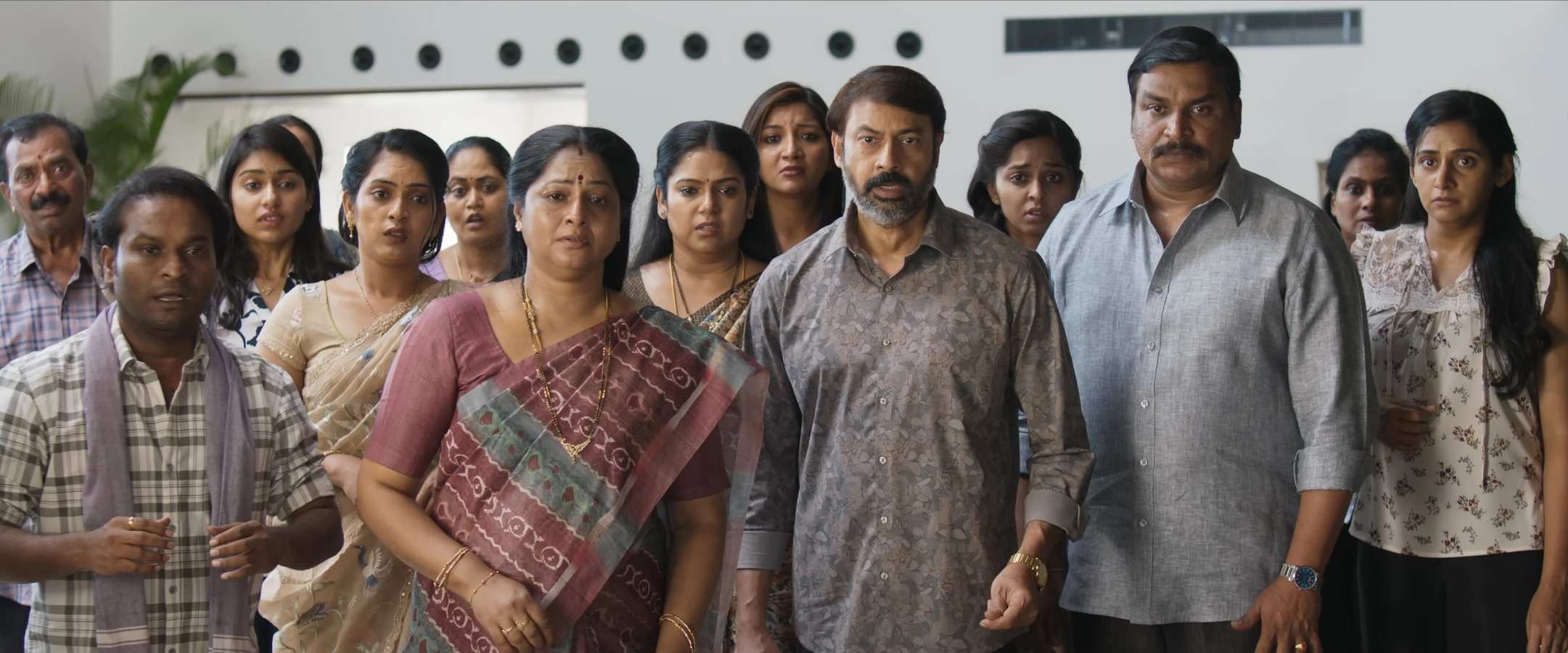
However, some sequences cross into excess. Certain action stretches feel rushed or inserted simply to amplify scale instead of emotion. A crucial war-like sequence especially needed greater emotional buildup, something the screenplay doesn’t provide adequately. Add to that the repeated preachings and extended satirical exchanges, and the pacing dips in the first half.
Despite all this, the core remains unshakably strong – the divine magnificence, the overwhelming aura of the Aghora, and the celebration of Sanatana Dharma. Whenever the narrative stumbles, these pillars lift it back up.
Final Verdict

Akhanda 2 is a film of high highs and clear flaws. But when Balakrishna erupts into full intensity, the screen transforms into something larger than life. The movie delivers a powerful “Pralaya Tandavam,” and for fans of divine-action cinema, it offers an experience packed with spectacle, spirituality, and unapologetic mass energy.
Rating: 3.5/5