There are films that begin with a promise so grounded and familiar that I can almost sense the emotional trajectory before it unfolds. 3BHK, directed by Sri Ganesh, starts off with exactly that kind of promise. Built on the aspirations of an ordinary middle-class family, the film initially positions itself as a slice-of-life drama that reflects the lived reality of countless Indian households – people who dream not of luxury or grandeur, but simply of stability, good education for their children, and the hope of owning a home someday.
As I watched the story of Sarathkumar as Vasudevan, portrayed as an everyday middle-class man with a son and daughter, I found myself settling into a narrative that felt authentic and universally understandable. The film uses this foundational idea – does the family’s dream come true or not? – as its emotional anchor.

A Strong and Familiar First Half
The early portions of 3BHK work remarkably well. I could see how carefully the screenplay observes the textures of middle-class struggle. The film walks us through household tensions, varied study habits of the children, financial compromises, landlord issues, and the constant effort to save money. These sequences feel honest, even admirable in their simplicity.
The narrative remains linear, intentionally unembellished, and grounded. I appreciated this creative decision because it complements the story’s theme. It reminded me of the way families quietly navigate crises without dramatic flourishes – problems arise, problems are managed, and life moves on.
In these moments, the film truly mirrors reality. Sarathkumar’s portrayal is convincing: a man living paycheck to paycheck, trying to educate his children with whatever knowledge, resources, and hope he can muster. This part of the film succeeds in establishing emotional investment.
A Disjointed and Confused Second Half
But then comes the second half – and this is where 3BHK loses the plot, quite literally. The narrative drifts into directions that feel unrelated to the momentum built earlier. I found myself repeatedly asking, Why are we focusing on this now?
Unnecessary emphasis is placed on the daughter’s personal issues, while the son’s professional dilemma – whether the path he has chosen is right or wrong – turns into a subplot that steals the spotlight from the film’s original emotional core. These diversions dilute the story’s clarity, and the film begins to feel structurally uneven.
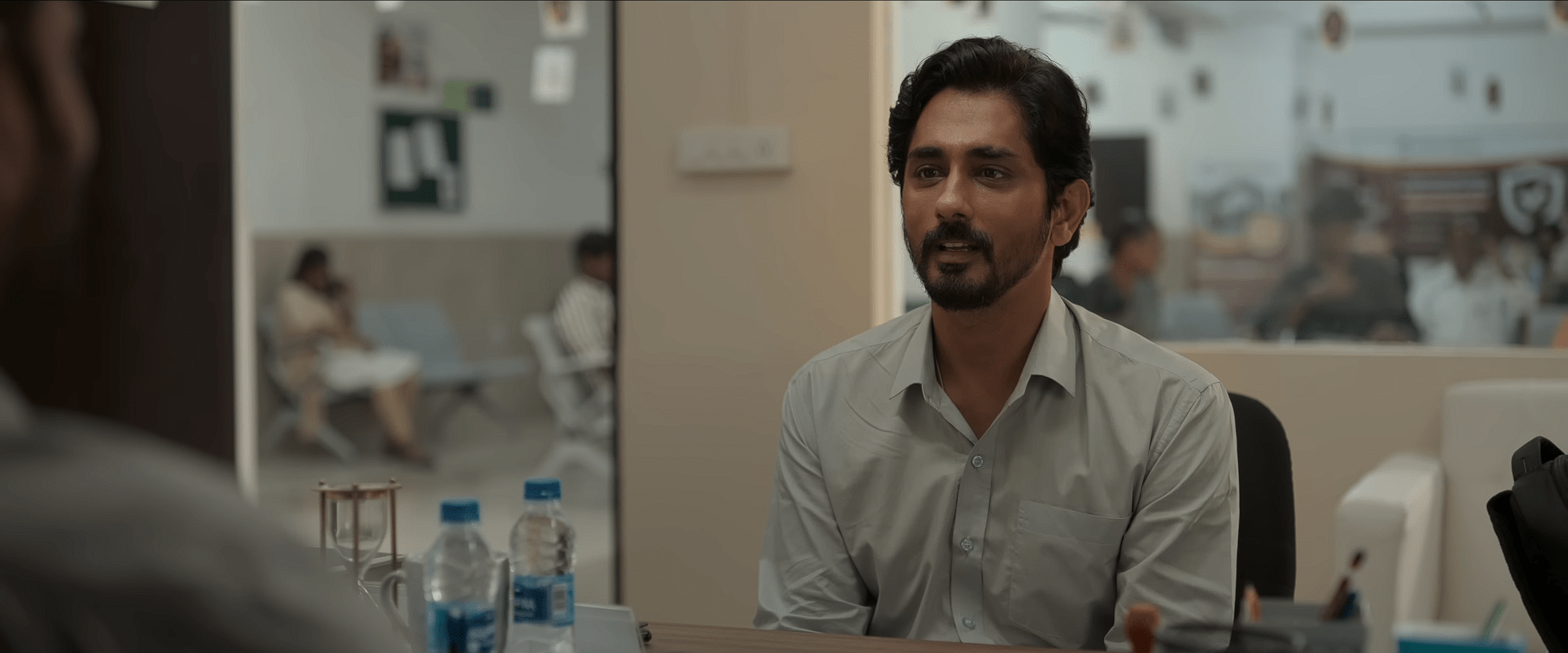
To make matters more confusing, the film seems unsure about its own protagonist. At several points, I genuinely questioned whether the central character was meant to be Sarathkumar or Siddharth. This lack of narrative focus affects the emotional weight of the story, leaving its themes scattered.
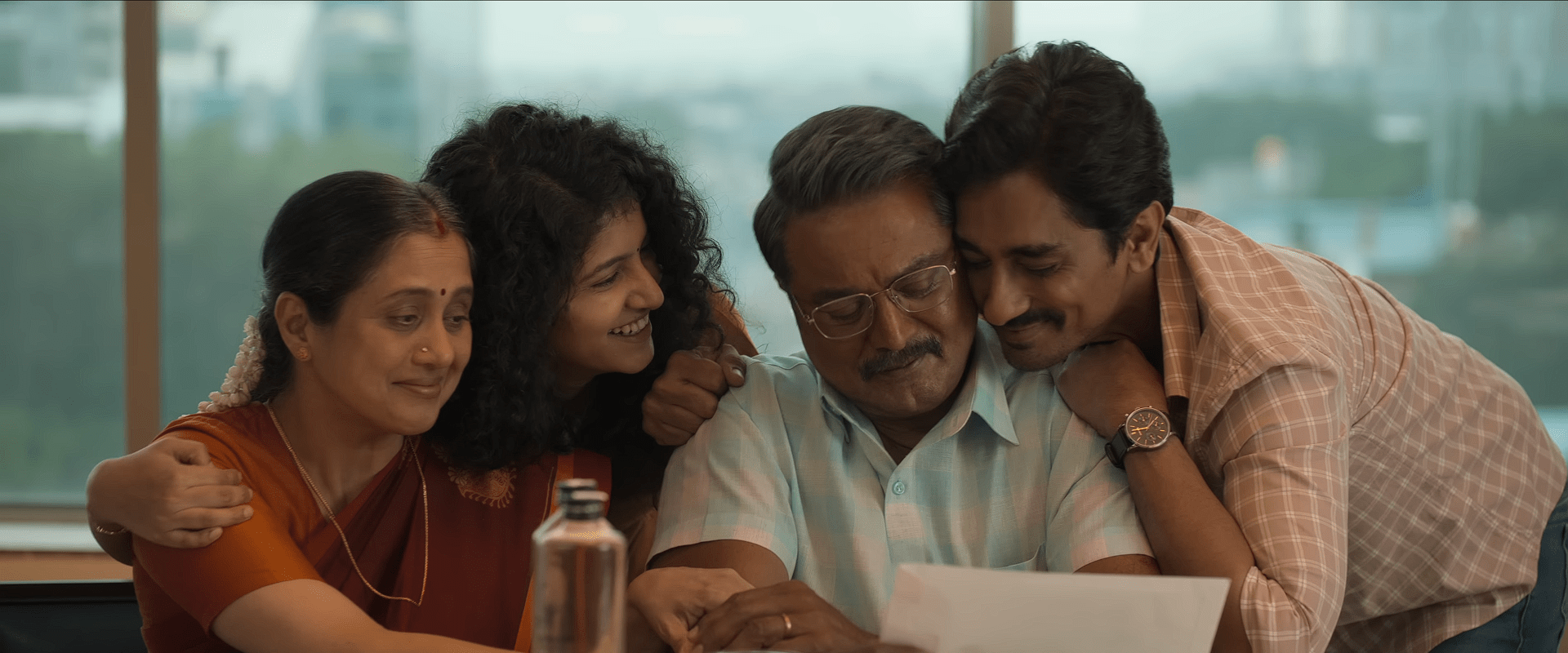
The film also tries to suggest that a single wrong decision made by the father causes both children’s futures to derail, only for them to later correct their paths. While this could have been a compelling arc, the presentation feels muddled and inconsistent.
From Realism to Stage Drama
Despite promising a realistic portrayal, the film surprisingly shifts into a stage-drama style of execution in the second half. The tonal shift is abrupt, and instead of deepening the story, it distracts from it.
And then there’s the climax – a moment that genuinely shocked me, but not in the way I hoped. By the end, I could not shake the feeling that the entire film had turned into an extended commercial for CASA GRAND. The closing stretch feels promotional, almost like a two-hour advertisement wrapped in the skin of a family drama.
A Missed Opportunity
3BHK had a storyline capable of resonating with anyone who understands the emotional currency of middle-class dreams. The first half shows exactly how powerful the film could have been. Yet the execution ultimately prevents that connection. By straying from its grounded narrative and leaning into confusing detours, the film distances itself from the very audience it wanted to represent.
Rating: 2/5